Research shows AI accounts are gaining millions of views on TikTok by spreading dubious health advice
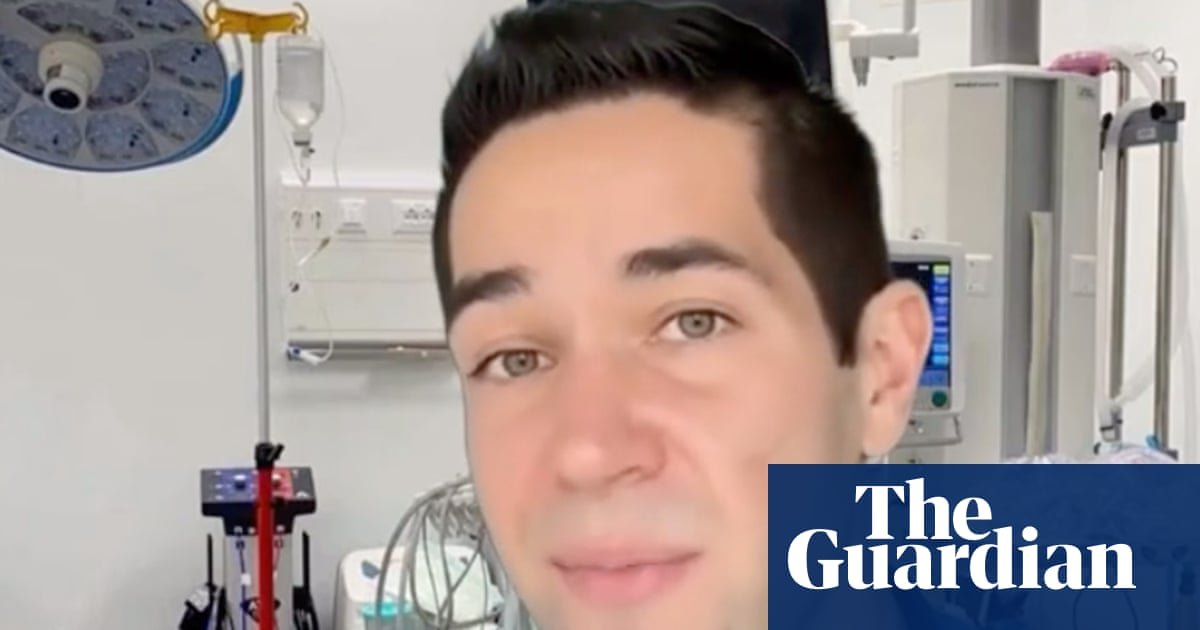
Misleading health claims online pose a “huge danger to public safety”, experts have warned, after research has shown that AI-generated doctors are gaining millions of views on TikTok by spreading dubious health advice.
The British Medical Association council deputy chair, Dr Emma Runswick, flagged the risks posed by AI accounts that “peddle medical myths and promote so-called miracle cures”.
“Platforms like TikTok must do more to stop the rise of dangerous fake medical advice … otherwise, it is the public who could be paying the price with their health and perhaps even their lives,” she added.
AI-generated physicians were found to have spread disproven myths about cancer, including that microwaving food in plastic, using deodorants and sleeping next to your phone could all cause cancer – all claims which have been refuted by Cancer Research UK.
The research was published this month by Hallam, a digital marketing agency. It follows warnings by the NHS that health misinformation on social media was a “real threat to public health”.
The research found that AI-generated content appeared in 40% of top health-related TikTok videos, with most posted by a growing number of deepfake influencer accounts designed to resemble real doctors. For some specific search terms, such as “health tips”, 84% of videos were classed as AI-generated or AI-assisted content.
According to Hallam, top AI-generated doctor and health videos in their search received an average of 2.5m views. TikTok took down examples of the videos that were sent to the platform by the Guardian.
The accounts also promoted bizarre remedies for various health problems, including Coca-Cola mixed with onion as a pain-relief remedy and a fake product called “Hyalethinap Plus Pro Max” as an anti-ageing solution.
One avatar claimed he had recommended “Hyalethinap Plus Pro Max” to his patients for years, and that it could combat “hair loss, skin weakening, brittle nails and joint pain” by helping the body produce “anti-ageing molecules naturally”. The Guardian could not find evidence of “Hyalethinap Plus Pro Max” products online.
In response to the findings, Prof Frankie Swords, the national medical director at NHS England, said it was concerning to see a rise in online medical misinformation. “Many clinicians are reporting an increasing number of patients who feel worried and confused due to false advice that has been made solely for clicks,” she added.
Prof Victoria Tzortziou Brown, the president of the Royal College of GPs, said she was also concerned by the research, adding that misleading AI content carried a “real risk” of harm.
Hallam analysed 1,198 videos, selecting the top 50 videos across a series of search terms including “health tips” and “doctor advice”. It also looked for general “life-impacting” advice on issues such as personal finance and education.
Alex Ruani, health misinformation researcher at UCL, said the rise of AI doctor videos represented a “frightening amount of exposure to fake medical content”.
“We’re looking at industrialised exploitation of trust,” she added.
Last year, a poll conducted by Savanta on 3,575 men and 3,832 women aged 18 and above in England on behalf of patient champion Healthwatch England found that about one in five people were using social media for health information.
William Pett, interim director of policy and public affairs at Healthwatch England, said: “Without the skills to distinguish reliable information from commercial hype or misinformation, [people] risk being misled in ways that can seriously affect their health.”
A TikTok spokesperson said: “These findings from a marketing agency with commercial interests are not an accurate reflection of our platform.”
“The facts are that we remove harmful health misinformation, including when it’s AI-generated, we partner with the World Health Organization and the NHS on providing reliable health information in-app, and we continually invest in AI literacy resources and labelling technologies.”