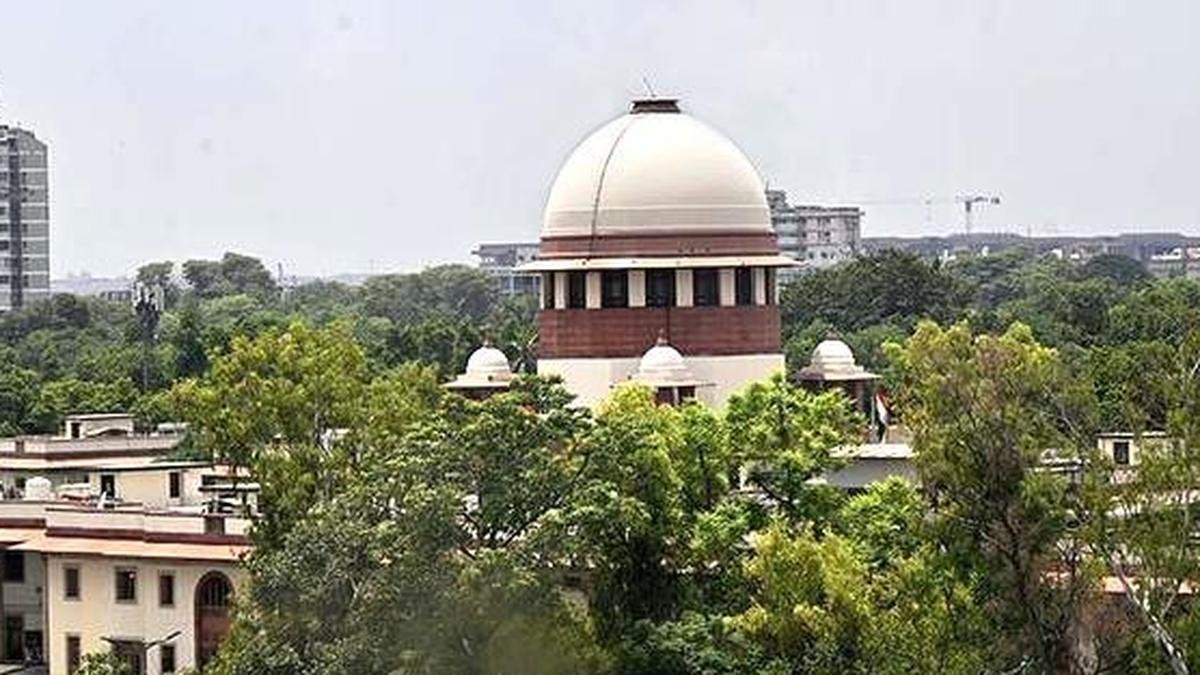
The Supreme Court of India on Wednesday (August 5, 2026) struck a parental tone, saying reasoning with students, youths and organisers involved in the NEET-UG paper leaks protests would be a better option than taking an aggressive tone with them.
“A better way is to counsel them, pacify them… The most powerful resource is reasoning.
To listen to them.
The government knows how to deal with it,” Chief Justice of India Surya Kant said.
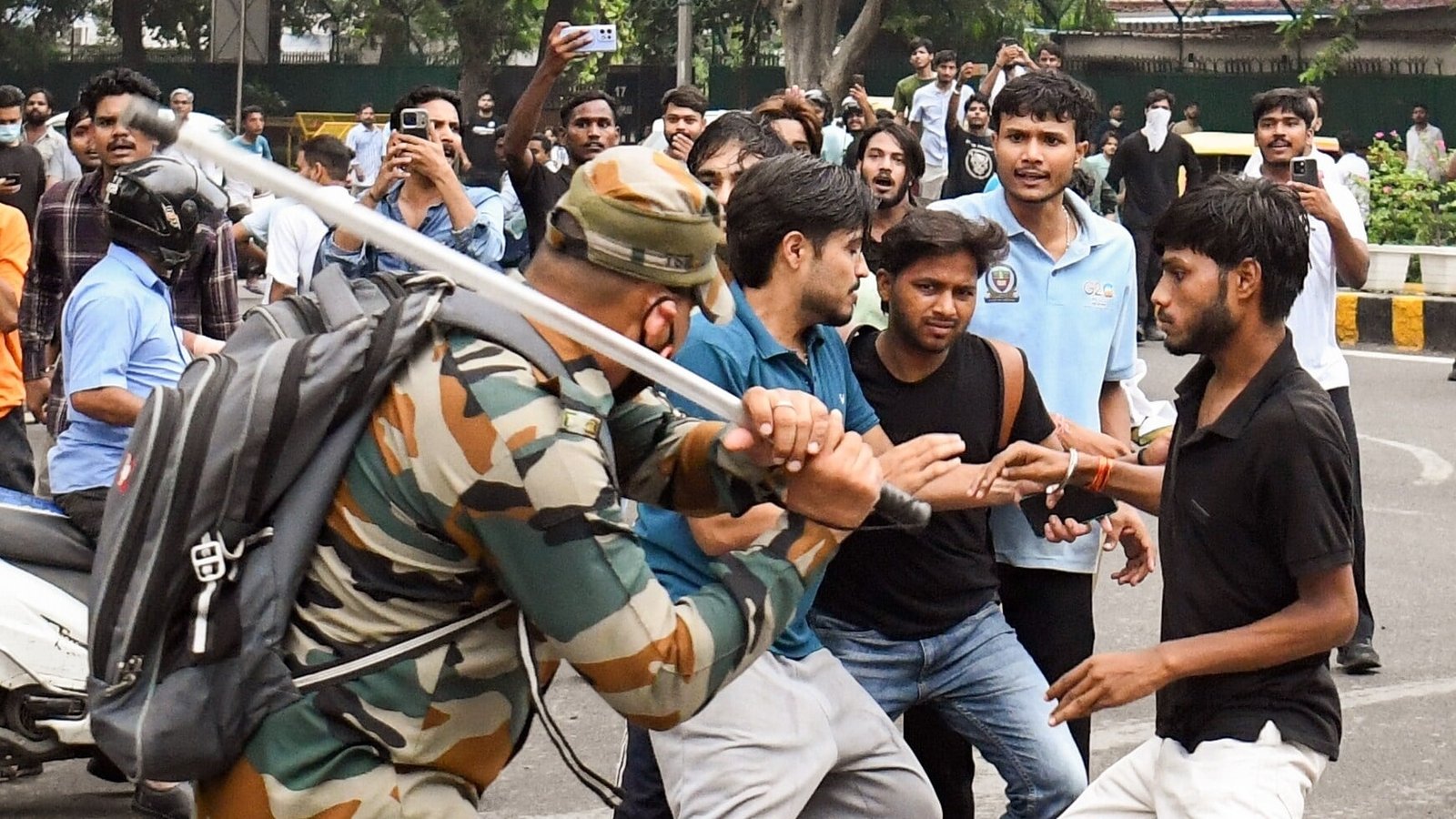
Out of work and outraged The court was hearing a petition filed by a retired Air Force officer, Manish Kumar Solanki, who said the government was on the “backfoot” bringing the “so-called organisers” of the Cockroach Janta Party-linked (CJP) demonstration against the paper leak and the ensuing police crackdown and violence which rocked the national capital on July 20.
The counsel for Mr.
Solanki said 15 days have passed since the July 20 incident, but there has been no move to make the organisers accountable.
He said the CJP was not even a registered organisation.
‘I apologised, threats did not stop’: after Jantar Mantar protest, women face doxxing, calls to ‘teach them a lesson’ “The government is bending backwards to accommodate them.
Violence, meanwhile, is continuing.
A youth died in Rajasthan.
In society, everybody is important, including the farmers who had agitated and the protestors of Shaheen Bagh… If the government is on the backfoot, society and the institutions of law cannot be seen to be on the backfoot,” advocate Rizwan Ahmed, appearing for the petitioner, submitted.
He asked why the nation and the society should tolerate a “dangerous precedent”.
Delhi Police authorised pellet gun use against protestors on July 20: RAF general diary entry “Stone-pelters cannot be allowed to go scot-free just because the government is on the back foot.
Tomorrow, Generation Alpha, Beta, Gamma may come… Farmers will take tractors to the Parliament, the temple of democracy,” Mr.
Ahmed argued.
He said the NEET-UG protest organisers were continuing to fan the fires, “moving from channel to channel who give them time on a silver platter”.
The petitioner suggested that the “young boys and girls” should be asked to do seven days of community service.
But the Chief Justice advised conciliation, counselling and peace.
Six NEET-UG candidates move Supreme Court over alleged discrepancies in OMR sheets “Youngsters are required to be pacified, even if some among them are involved in stone-pelting.
They need a lot of advice and counselling.
Any aggression will only unnecessarily aggravate the situation and lead to further violations.
That needs to be avoided,” Chief Justice Kant said.
The Chief Justice said restraint on the part of the law enforcement agencies was better than the use of force while dealing with the young generation.
A peaceful agitation could turn violent; it was up to the government to ensure the situation did not spiral out of control.
“In a democratic movement, what starts with a peaceful objective, and then some incident takes place, forces need to have a lot of restraint to ensure that the situation does not go out of hand,” Chief Justice Kant noted.
NEET-UG shift to computer-based testing under active consideration, Centre tells SC The court said continuing incidents of violence involving youths must be dealt with carefully to avoid them snowballing into another violent confrontation.
“Stray incidents, wherever they are happening, authorities need to step carefully to avoid any further violence… " A better way is to counsel and pacify them,” the Chief Justice reiterated the message to soothe rather than agitate Gen Z.
The court tagged the petition with a bunch of pleas dealing with the NEET-UG protests to be heard along with them on August 18.