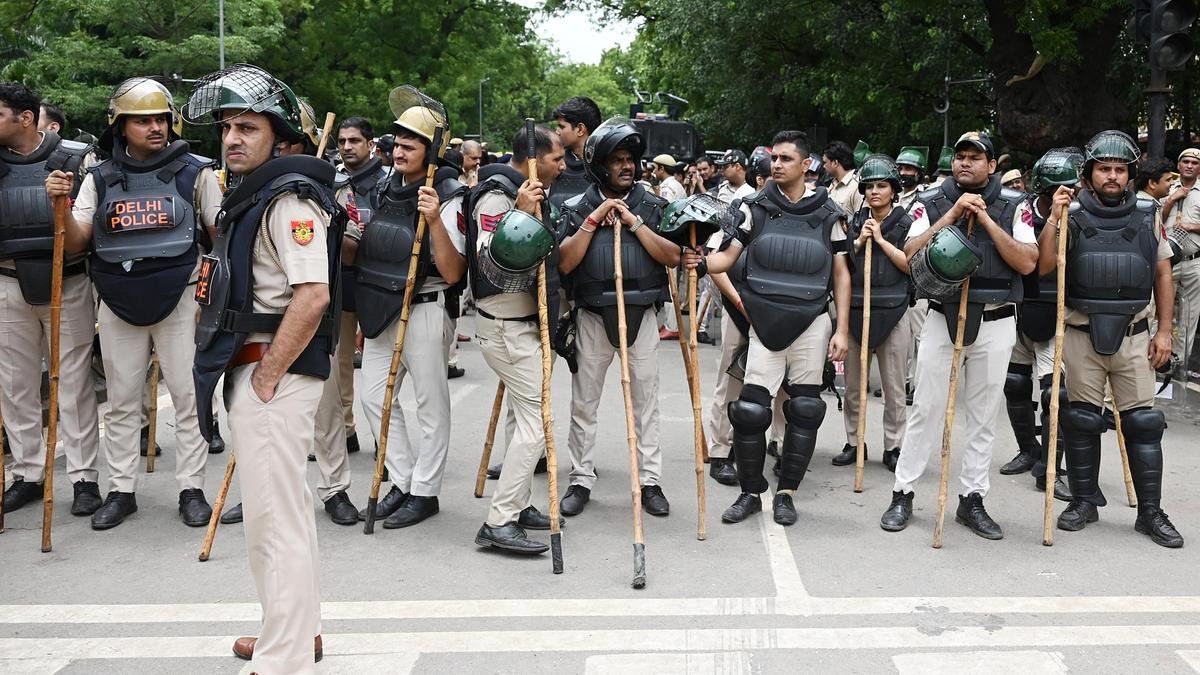
Little has been said in the Supreme Court so far about instructions or consultations between the Delhi Police and the Ministry of Home Affairs (MHA) as violence unfolded in NEET-UG protests in the national capital on July 20.
The Supreme Court judgment of February 2012 in the Ramlila Maidan Incident versus Home Secretary refers to the then Delhi Police Commissioner’s affidavit that “as a matter of practice, Delhi Police keep the Ministry of Home Affairs duly informed in such matters”.
Supreme Court moots independent probe into police excesses, orders release of detained minors The judgment said the affidavit had reasoned that the MHA “for obvious reasons, is concerned about the preservation of law and order in the capital and carefully monitors all situations dealing with public order and tranquility”.
The court had recorded from the affidavit that it was “also clear that he [Police Commissioner] was continuously in touch with the senior functionaries of the Ministry of Home Affairs”, and had kept them clued in on the decisions taken by senior police officers on the ground.
Under Article 239AA of the Constitution, the MHA has control over the Delhi Police.
The stand of the political executive would be a crucial part of the Supreme Court hearings into the NEET-UG protests, especially with one of the petitions claiming that the police action on July 20 against students protesting peacefully was “no less than the atrocities of the Jallianwala Bagh”.
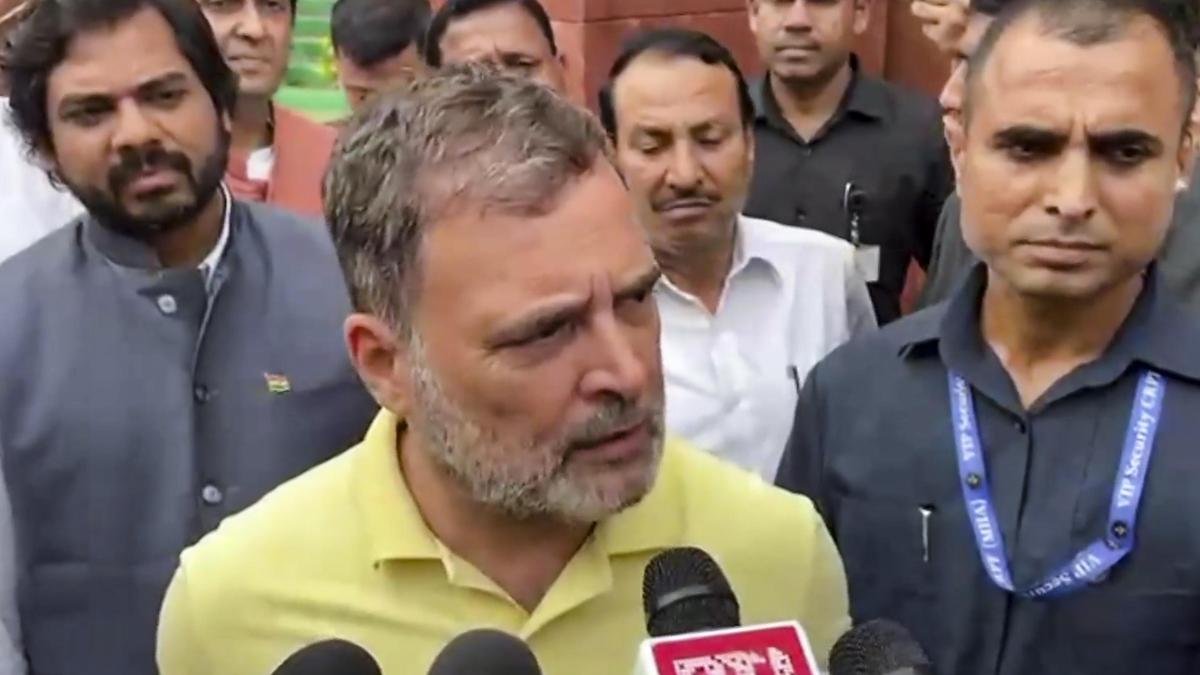
Independently, outside the court room, the Leader of the Opposition in the Lok Sabha has reportedly asked in a letter whether the Home Minister had authorised the use of “lethal force”.
.
ALSO WATCH Watch: Document reveals Delhi Police approved pellet gun use at NEET protest | Above the Fold | 28.07.2026 Twenty years ago, a Supreme Court judgment in the Prakash Singh case had cautioned against the overwhelming influence the political executive could wield over the police.
The 2006 judgment had been based on a petition arguing the point that reducing the police to a mere tool in the hands of political masters would result in serious violations of the rights of the people.
The 2006 judgment had referred to a research paper ‘Political and Administrative Manipulation of the Police’ published in 1979 by Bureau of Police Research and Development, warning that “excessive control of the political executive and its principal advisers over the police has the inherent danger of making the police a tool for subverting the process of law, promoting the growth of authoritarianism, and shaking the very foundations of democracy”.
One of the issues mentioned in the judgment was police conduct in large-scale civil unrest.
The Prakash Singh case judgment had elaborated that political influence over the police was a reality by quoting from an April 3 1997 letter of the then Home Minister to State governments.
The letter had underscored that many of the deficiencies in the functioning of the police had arisen largely due to an overdose of unhealthy and petty political interference.
Pleas in Supreme Court allege illegal detentions by Delhi and Bihar police The Union Home Minister, the judgment said, had exhorted the “great national importance to insulate the police from the growing tendency of partisan or political interference in the discharge of its lawful functions of prevention and control of crime including investigation of cases and maintenance of public order”.
The court has consistently held that respect for the rights of individuals was the “true bastion of democracy”.
The liability was on the state to repair the damage done by its officers to their rights.