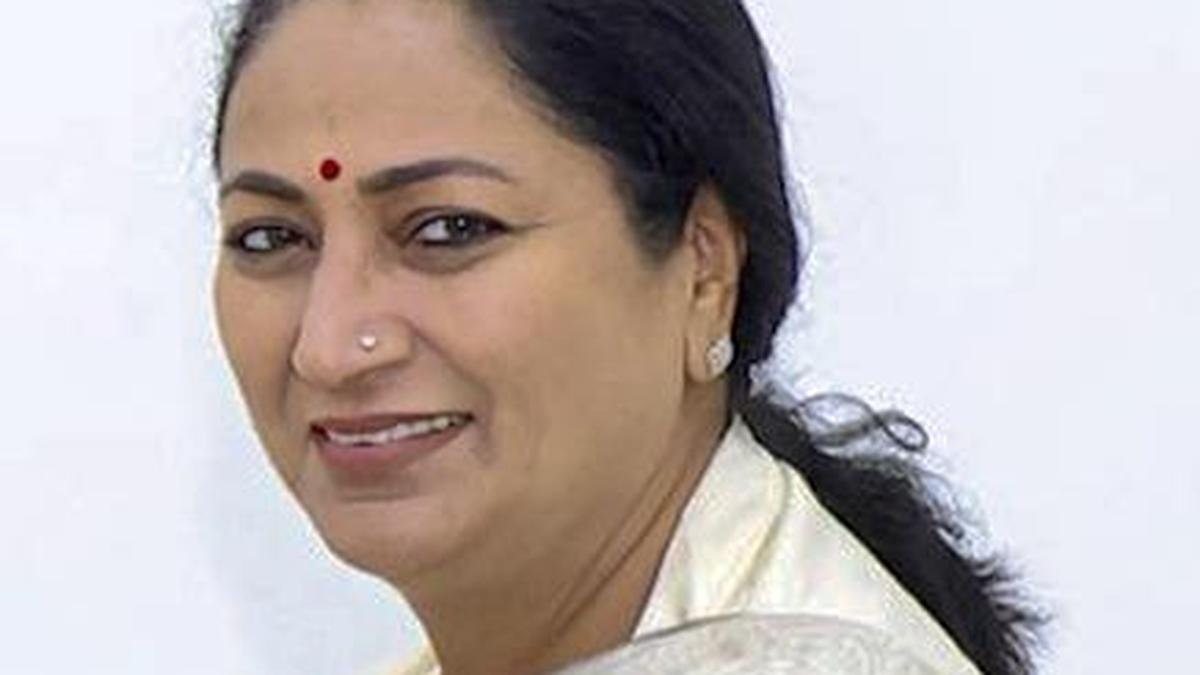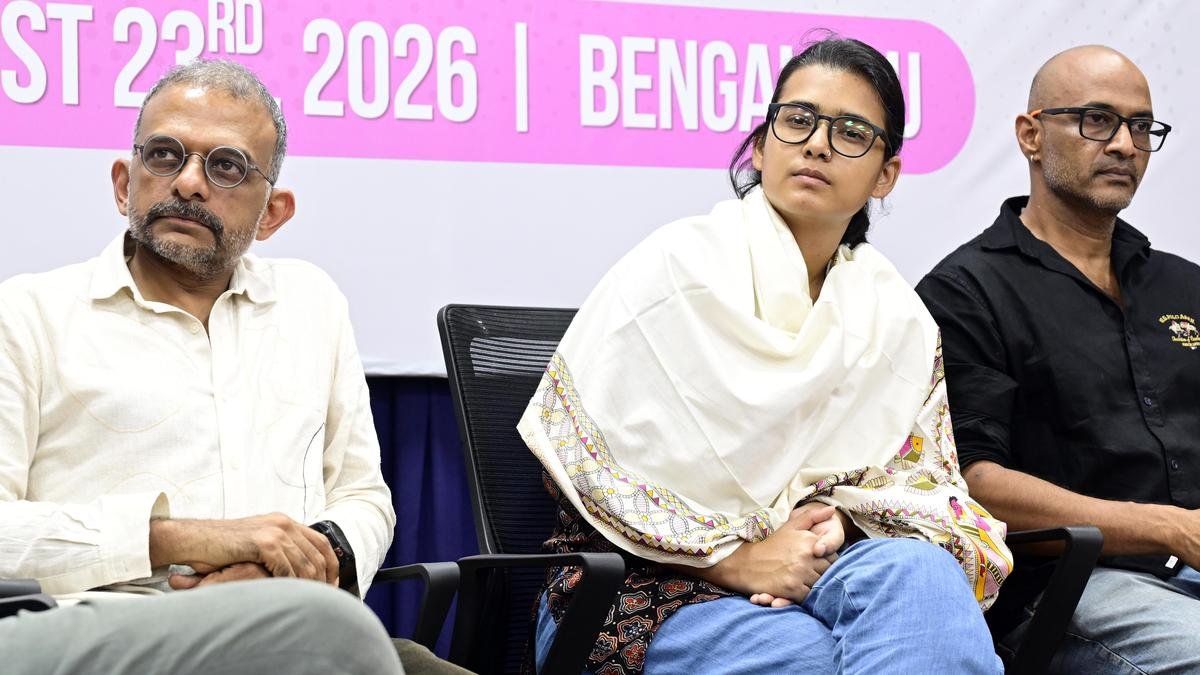
“Political parties who claim to be anti-BJP must lead by example and show what anti-BJP looks like. Instead of providing mere lip service to this anti-fascist agenda, they must show what pro-student politics actually looks like,” All India Students Association (AISA) national president Neha Bora said at the ‘Gen Z on the March’ programme in Bengaluru on Sunday (August 23, 2026), as she condemned the Congress government in Karnataka for filing FIRs against students who raised slogans demanding the release of Umar Khalid and Sharjeel Imam.
Actor Kishore and musician T.M. Krishna were also part of the programme, which highlighted the new wave of youth politics in India and issues of accountability.
Ms. Bora’s criticism was directed at the Congress government, which, she argued, had extended solidarity to student protests at Jantar Mantar in Delhi against Union Education Minister Dharmendra Pradhan, but filed FIRs against students here.
Warning political parties that claim to oppose the BJP, Ms. Bora said that if they behaved like the BJP and treated students and young people the way the BJP did, the young people and students of the country would treat them like the BJP.
However, the “fear felt by the BJP-led Union government is not enough,” she said. “What will be enough is when this government and the BJP-RSS system would have been uprooted from the soil of this country. Only then must we rest,” she said.
Pointing out to recent events in Karnataka, Ms. Bora began by extending solidarity to the students of Azim Premji University (APU), who, she said, had been fighting a “complete crackdown” on democratic discussion on their campus. She referred to students who had recently been suspended for two years by the university for holding a discussion on the 1991 Kunan-Poshpora incident in Kashmir.
She also extended solidarity to organisations in the State fighting against the forced closure of government schools and centralised “KPS magnet schools.”
Recalling the “rage” felt by people during events under the BJP’s tenure, including demonetisation, and the struggles of people fighting injustices and protesting across parts of India, Ms. Bora called on people to “educate, organise and agitate.”
“Rage does not mean violence or anarchy. It means asking yourself what this country needs from you at this moment, and putting your soul into building that country - into taking this country away from the fascists in a way that means the defeat of the BJP, not just in Parliament, but the defeat of the RSS and its ideology within our shared spaces.”
“The Gen Z will fight with all the force of history and forge ourselves a future where there is no place for the RSS, where there is no place for the BJP – not just today, not tomorrow but never in the future.”
Addressing the gathering, Mr. Kishore said that as the movement focused on issues such as paper leaks, there appeared to be a hesitancy to mention certain names, issues, incidents and parts of history in an effort to keep it restricted to the issue of paper leaks.
Referring to objections over taking the names of Umar Khalid and Sharjeel Imam and raising the slogan “Azadi”, he said, “If our idea of unity requires us to forget certain people, communities, histories, then perhaps we need to examine what kind of unity we are creating.”
He said that while fighting one issue, the movement should not lose sight of other injustices, including Rohith Vemula, the suffering of children and civilians in Gaza, victims of the war in Ukraine and innocent people caught in conflicts and violence across the world.
“We may not be able to solve every one of those problems, but we must retain the capacity to remember them,” he said.
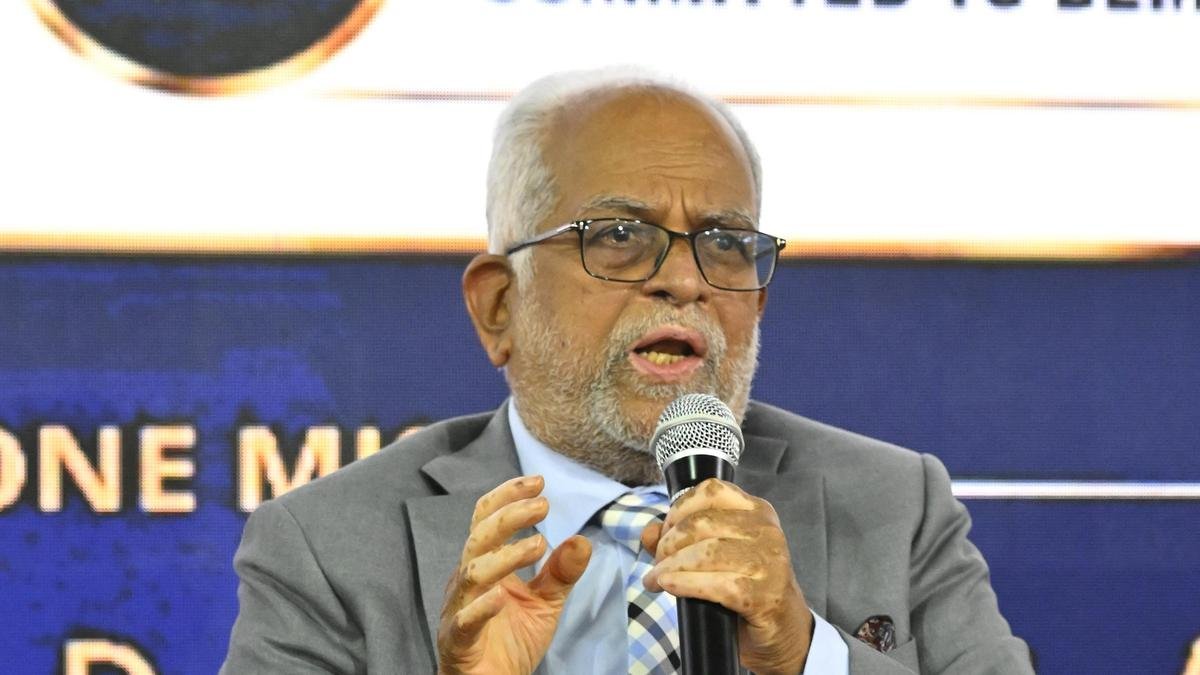
Mr. Krishna spoke about how young people have brought creativity into politics and challenged the common notion of why students should engage in politics, arguing that “everything is political.”