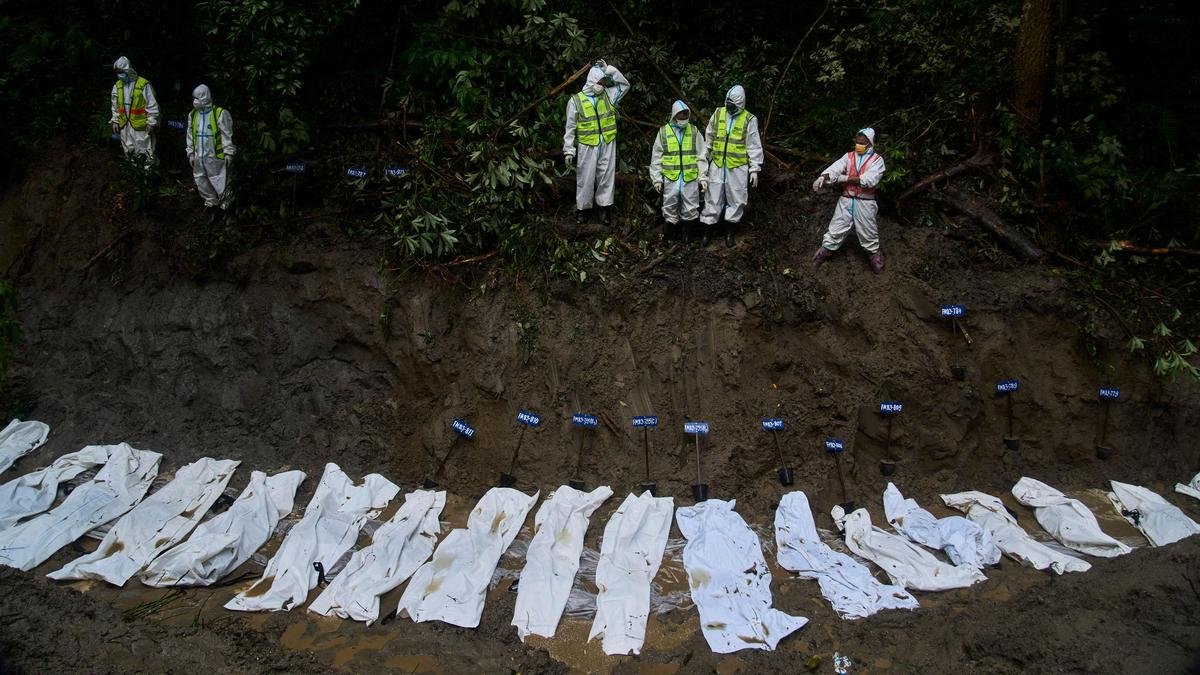
The death toll from Nepal’s devastating flash floods crossed 1,200 on Wednesday (September 2, 2026), as rescuers battled rain and debris to trace those believed to be trapped in the tunnels along the course of the Bhotekoshi river and underground powerhouses.
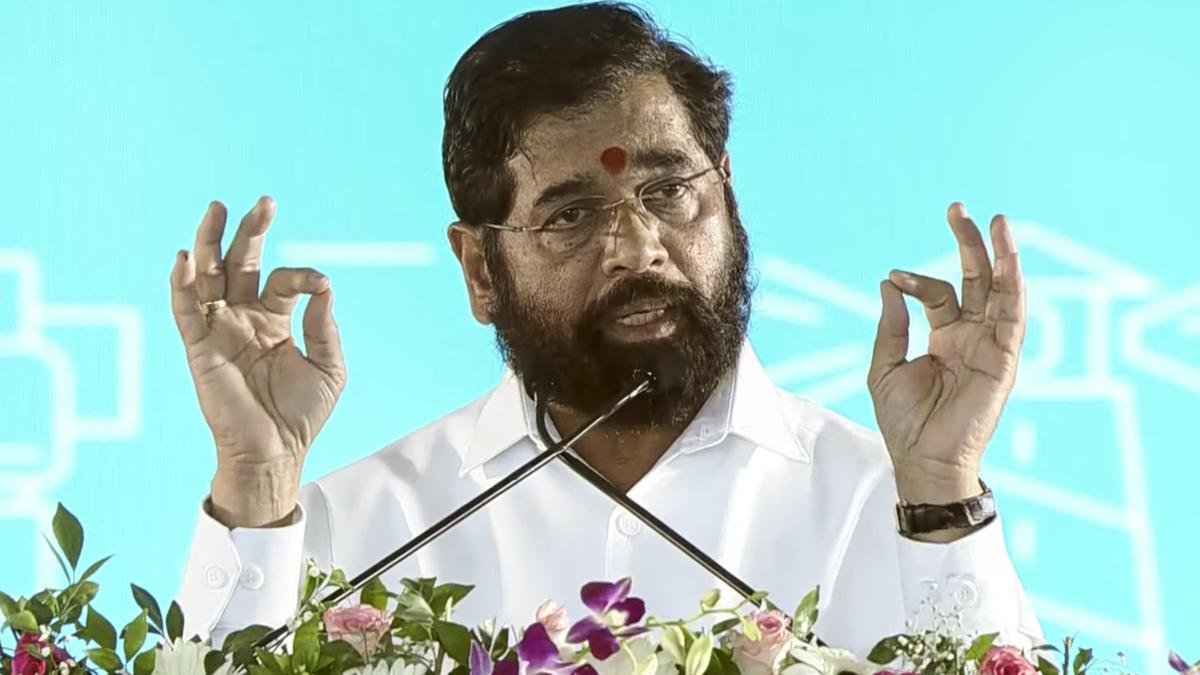
Prime Minister Balendra Shah said the disaster’s link to climate change must be strongly raised with the international community, as symbolic funerals were held by families of locals still missing after last week’s flash floods.
Security forces have recovered 348 dead bodies from Chitawan district, 218 from Nawalparasi East, 208 from Nawalparasi West, and 155 from Nuwakot.
Similarly, 127 bodies were recovered from Rasuwa, 69 from Gorkha, 60 from Dhading and 38 from Tanahu, according to the National Disaster Risk Reduction and Management Authority.
Among the missing people, 583 are foreigners.
The joint forces of security personnel including Nepal Army have so far rescued 11,993 people using helicopters and land route.
Around 21,314 security personnel have been mobilised for the search and rescue operations.
Nepal disaster a climate 'warning signal': Foreign Minister According to Chinese officials, the death toll in the flash flood that struck Gyirong county in Tibet near the Nepal border has increased to 21, with 541 others still missing.
Nearly 100 Chinese nationals remain unaccounted for in Nepal, Chinese Foreign Ministry spokesperson Guo Jiakun told reporters in Beijing on Wednesday (September 2, 2026).
Nepal-China flash flood disaster exposes fragility of Hindu Kush Himalayas: U.N. climate chief Addressing the House of Representatives, PM Shah said the scale and nature of the disaster raised serious questions about the growing risks faced by people living in the Himalayan region due to climate change.
“According to experts, the flash flood in Bhotekoshi of Rasuwa district was caused by an ice-rock avalanche in the Himalayas.
This incident shows the increasing risk the people of the mountain region have to bear with the occurrence of climate change,” he said.
“Therefore,” Mr.
Shah stressed, “We need to present the fact in a strong manner to the international community that the disaster is linked to climate change.” There is a global contribution behind climate change.
And the responsibility to manage and minimise its effects also rests with the global community, the prime minister said.
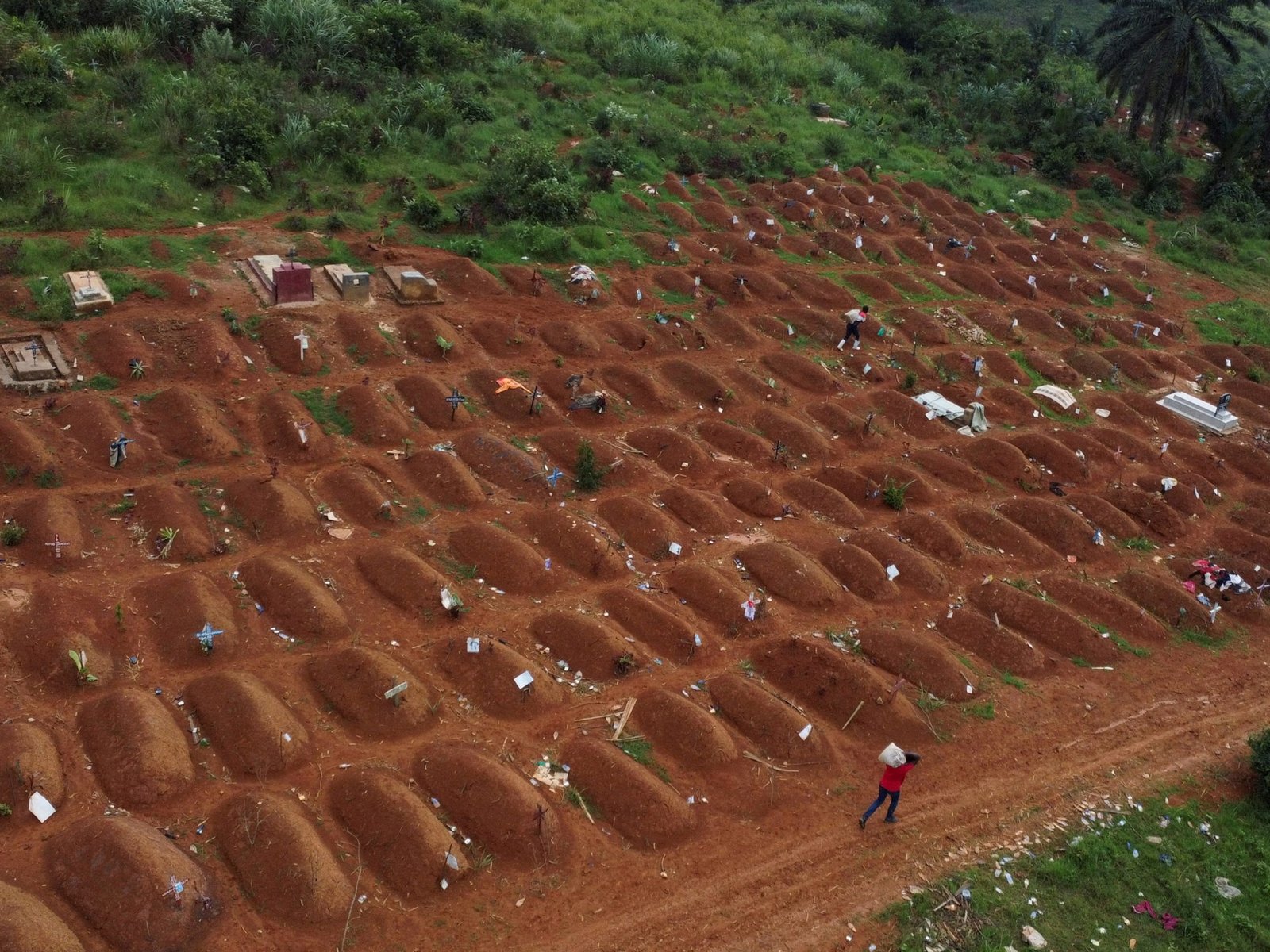
Related Stories Nepal must make climate justice top national priority, says Environment Minister Indian tunnel rescue team makes progress at Chilime, Langtang hydropower sites Nepal disaster, a grim reminder to rethink preparedness | Data Nepal floods: How a school in Nepal saved 900 students from a devastating flash flood According to Nepal Police, postmortem and legal identification procedures have been completed for 1,113 bodies, while 95 have been handed over to relatives.
.
Families of those missing are creating funeral effigies and performing their final rites.
Dozens of such effigies were cremated in a mass funeral at Pashupati Aryaghat on Wednesday (September 2, 2026).
Rescue teams comprising the Nepali Army, Armed Police Force, foreign technical experts and project employees have been searching the tunnels but have so far failed to locate the missing workers.
ALSO WATCH Nepal floods: Hundreds of unidentified victims buried as authorities race to identify the dead