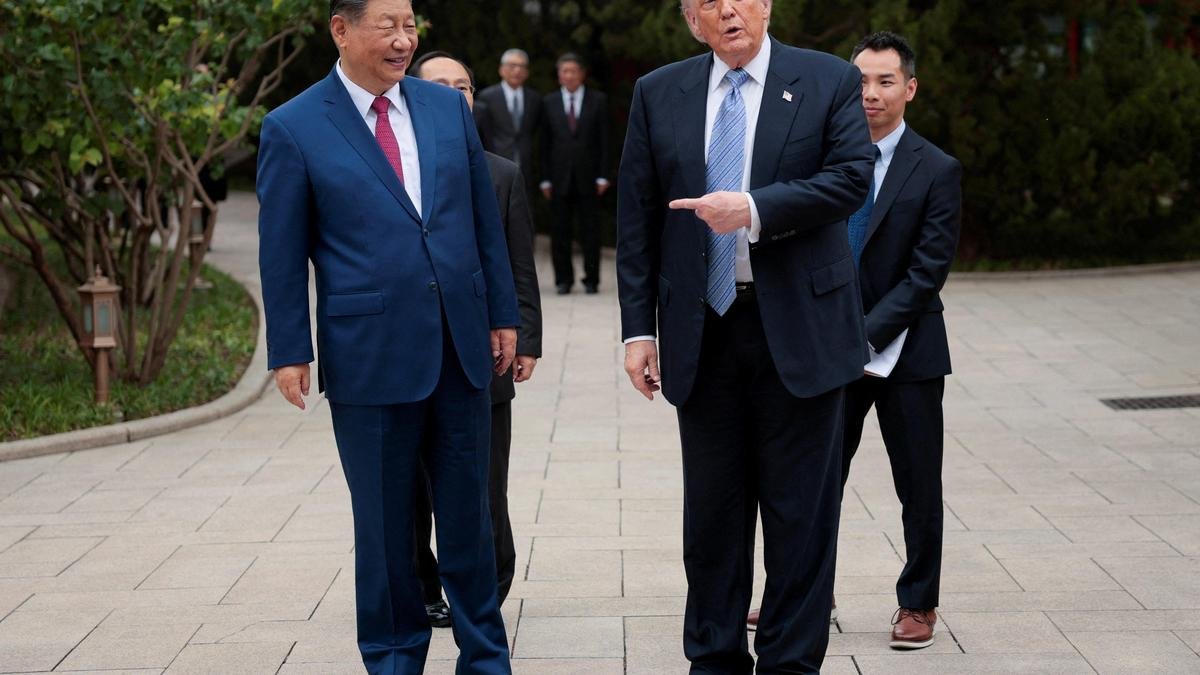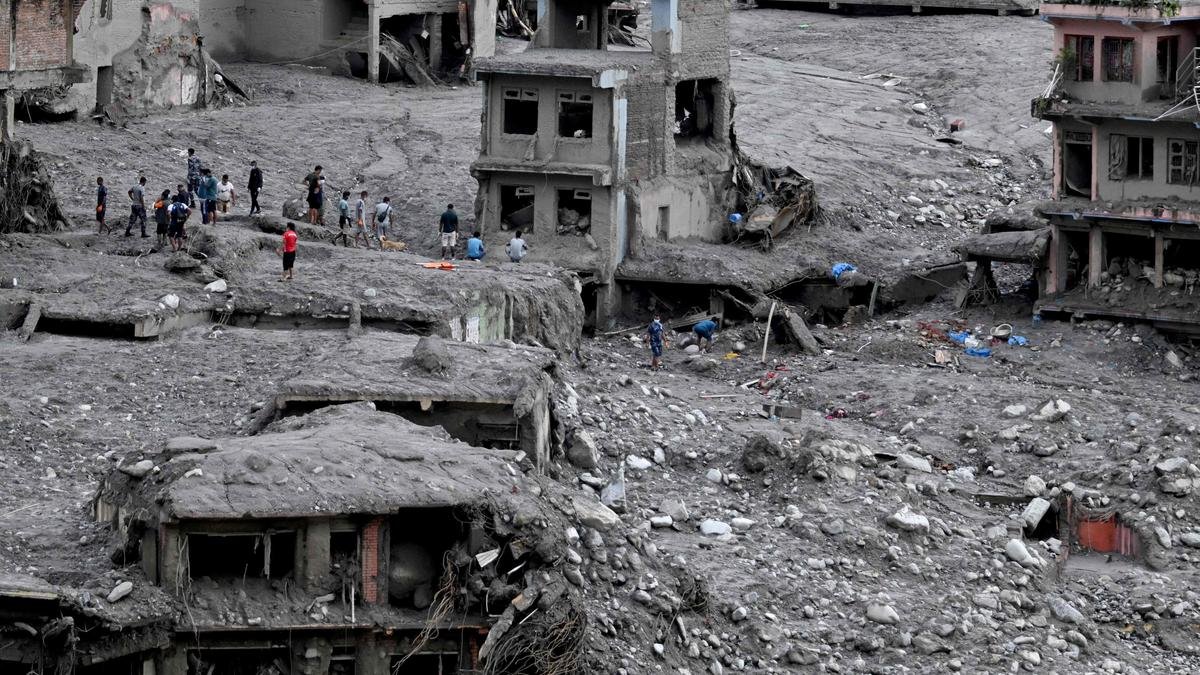
“We are paying the ultimate price for a global crisis we did not create,” Nepal’s Foreign Minister Shisir Khanal declared on September 1, 2026, after a catastrophic glacial collapse that killed over 1,200 people. But in the aftermath of this “Himalayan tsunami”, Nepal is doing something that is quite unprecedented. Instead of just issuing the usual appeals for humanitarian aid, Kathmandu has launched a diplomatic offensive. They are demanding direct climate compensation from the world’s three biggest emitters: the United States, China, and India. By shifting foreign policy from seeking charity to enforcing legal liability, Nepal has turned a devastating tragedy into a global test of climate justice, which forces the international community to confront the harsh limits of adaptation.
The immediate challenge before these major emitters is reconciling the glaring climate injustice that Nepal actually represents. Nepal only contributes a negligible 0.1% of global greenhouse gas emissions, and generates almost all of its electricity from renewable hydropower sources. And yet, its geography places it at the absolute ground zero of global warming. The Hindu Kush Himalayas, often referred to as the “Third Pole”, are warming at nearly twice the global average, melting the glaciers at 10 times their historical norms.