Things might have become somewhat easier for the new chairman of India’s selection committee. He is yet to be appointed, but initially he is unlikely to face the challenges that Ajit Agarkar had to, challenges which caused him to decide against an extension knowing the cricket board was unlikely to give it to him.
In theory, the selection committee is an independent body, keeping in step only with its own plans and theories while taking on board suggestions from the coach, captain, senior players and the Board of Control for Cricket in India.
The chances of upsetting one of these groups or all are high. You pick a player and he performs poorly while another, ignored, stacks up runs or wickets. Or you ignore a player much recommended by his performances, and have the weight of displeasure landing on your shoulders from all of the above as well as fans and media, people who have all the answers all the time. Although no one will admit this, sponsors often have a role to play too. All these elements make it a heady mix for the selection committee.
The greater the investment in a player, the greater is the temptation to give him another chance to come good and make up for failures. It is both a practical response and an ego-salving one for the selectors who may be loath to admit they were mistaken in the first place. If a selection is honest, made on cricketing grounds and not influenced by the usual temptations, then selectors must be allowed to go with their instincts.
India’s two greatest bowlers, Anil Kumble and Jasprit Bumrah, were picked on instinct while another great, Bhagwat Chandrasekhar went from making his debut in club cricket to international cricket in six months. The figures to back up their talent came later. Sometimes things go wrong, as with Prithvi Shaw or Pravin Amre, both of whom began with a century and then faded out.
Agarkar made it clear that you do not simply pick the 15 best players. You pick a team — which means the focus is on balance and combinations. “You are well aware of which players you want to give a longer rope to, while some other guys may not get such a long rope. That is a judgment call,” he has said.
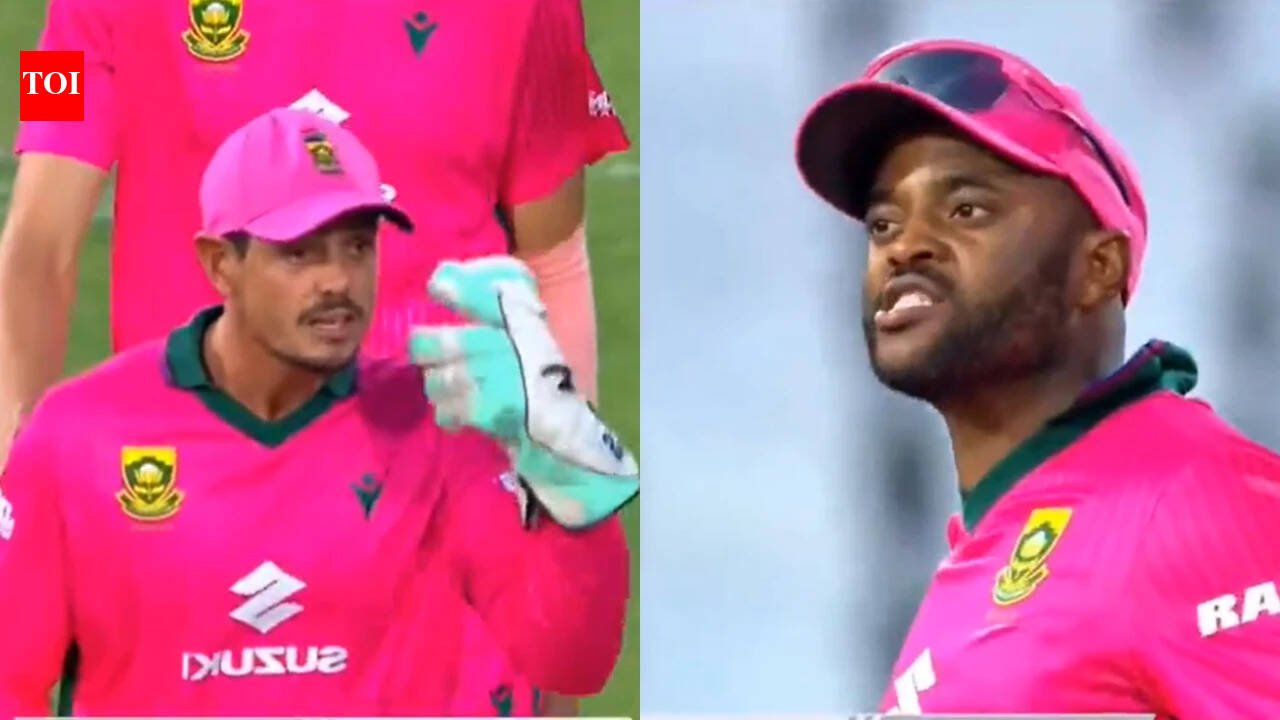
Selectors, like coaches, umpires, and wicketkeepers are noticed only when things go wrong, when a team loses a series or when a public favourite — Shreyas Iyer, Mohammed Shami or Suryakumar Yadav, for instance — finds himself out of the team. The popularity of the game in India means that favourites will be left out at every selection; social media ensures we know exactly who these players are.
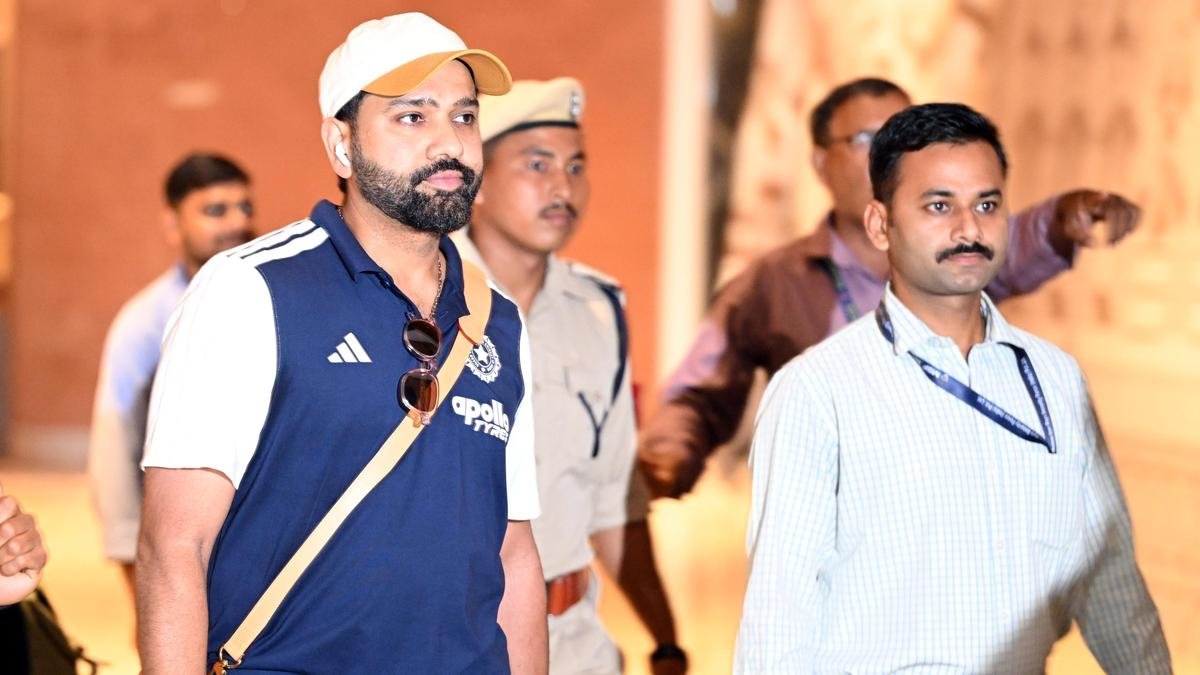
Agarkar was a man with a plan for an Indian team in transition. Whether he was carrying the can for decisions made by coach Gautam Gambhir or some of his selections didn’t deliver, or the BCCI decided to flex its muscle over his handling of Rohit Sharma (who was told in England he was playing his last ODI), things had soured and the Agarkar plan became irrelevant. Continuity, by which he laid store, would be interrupted ahead of next year’s World Cup.
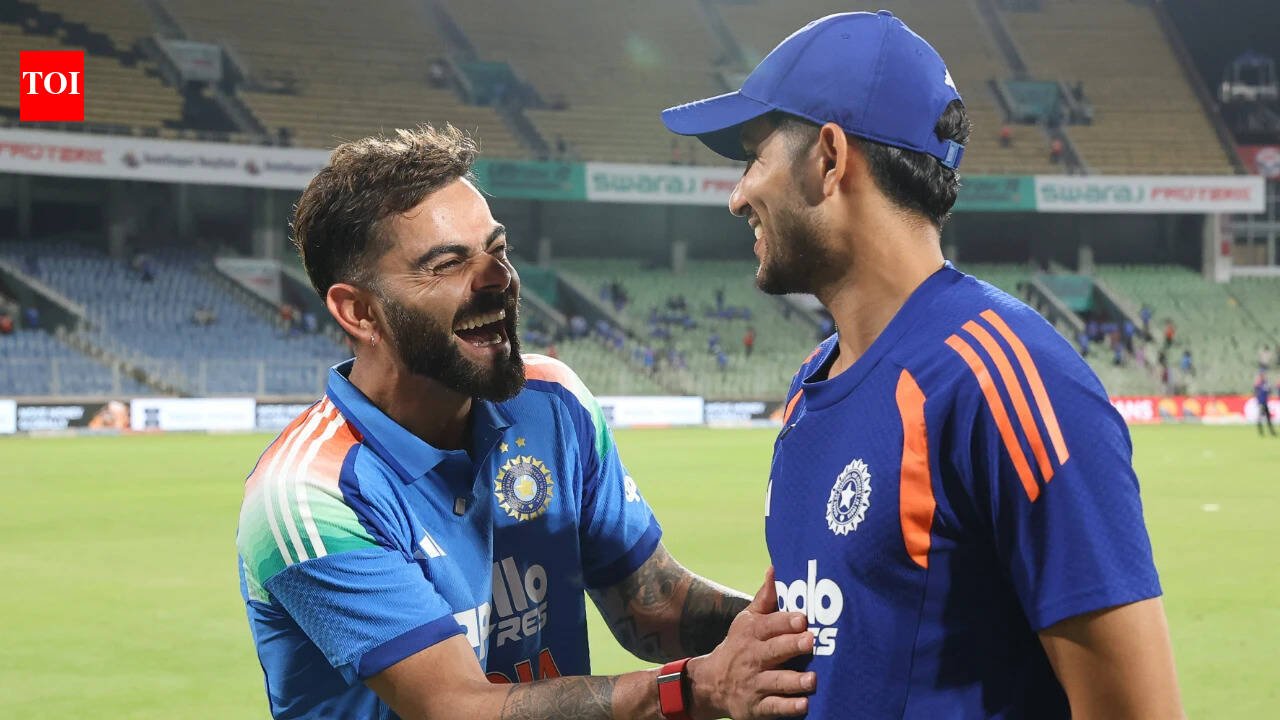
His successor, however, will not have to deal with one recurring issue at least. The immediate future of the two superstars, Virat Kohli, 37, and Rohit Sharma, 39, (both of whom play only ODI) is secure. They are both in fine form, and seem to combine in their batting the fearlessness of youth with the restraint of maturity. The chief selector need have no embarrassing conversations with them ahead of the World Cup.
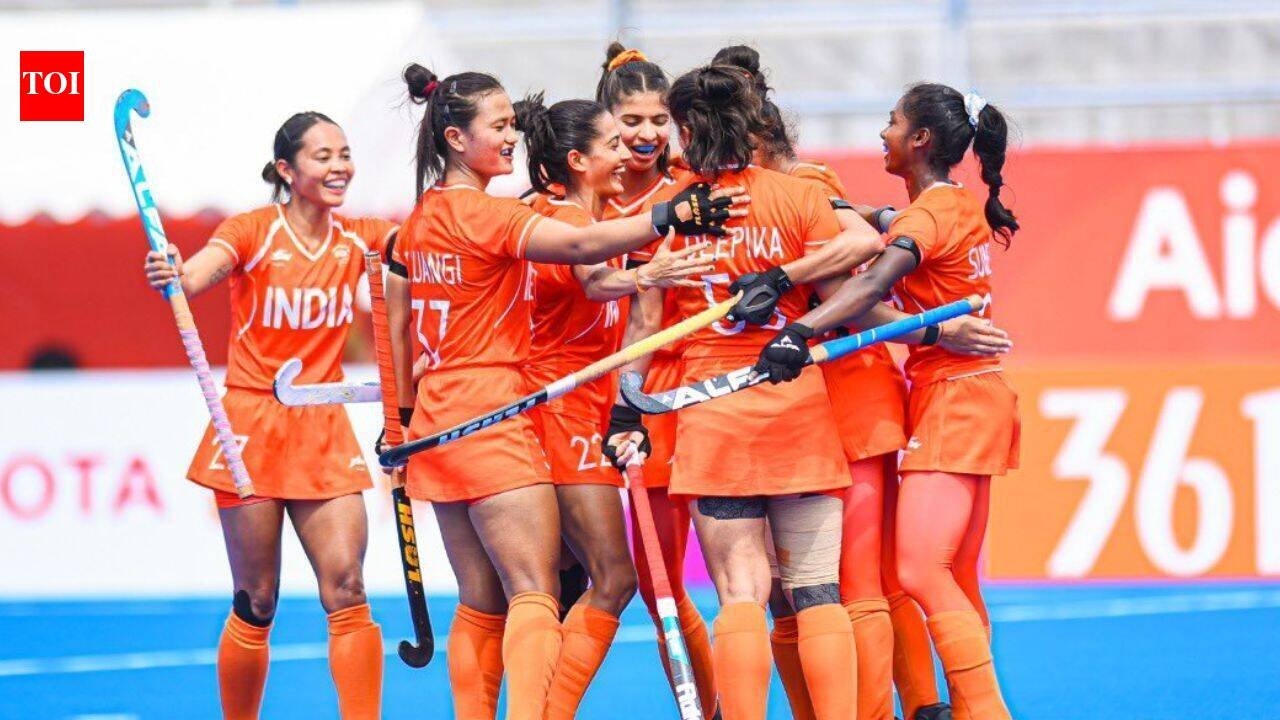
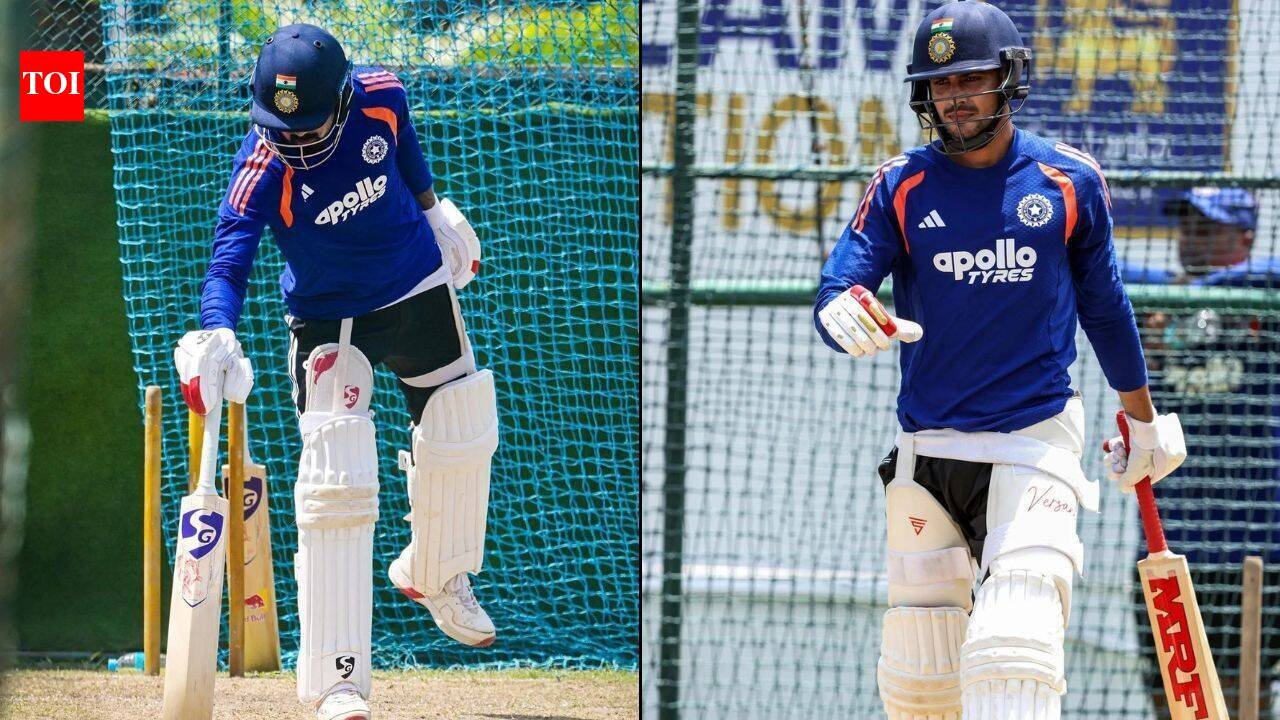
India’s bench strength is remarkable. Four national teams are in action simultaneously — from Under-19 and ‘A’ team to the T20 at the Asian Games besides the ODI series against the West Indies. While there is abundance (batting) on the one hand, there is relative insufficiency (fast bowling) on the other.
India’s problem is not in white ball cricket where they are No. 1 in both formats. But they are in danger of missing out in the World Test Championship where they are currently fifth. And that will be the new chief selector’s real challenge.