HomeNext New US visa policy limits duration for foreign students: What Indian candidates must know The US is changing its student visa policy, requiring international students to have a specified admission timeframe instead of unlimited stays.
Published on: Jul 17, 2026, 19:29:19 IST By Shweta Kukreti Prefer HTon Google Share via Copy link The United States has implemented one of the most significant alterations to its student visa framework in decades.
Starting later this year, international student, including many from India, will no longer be permitted to remain in the US for the “duration of their studies” as per the longstanding Duration of Status (D/S) policy.
Instead, they will be granted admission for a specified timeframe, and should they require additional time, they must obtain approval from the US government.
The US has revoked its Duration of Status policy for international students.
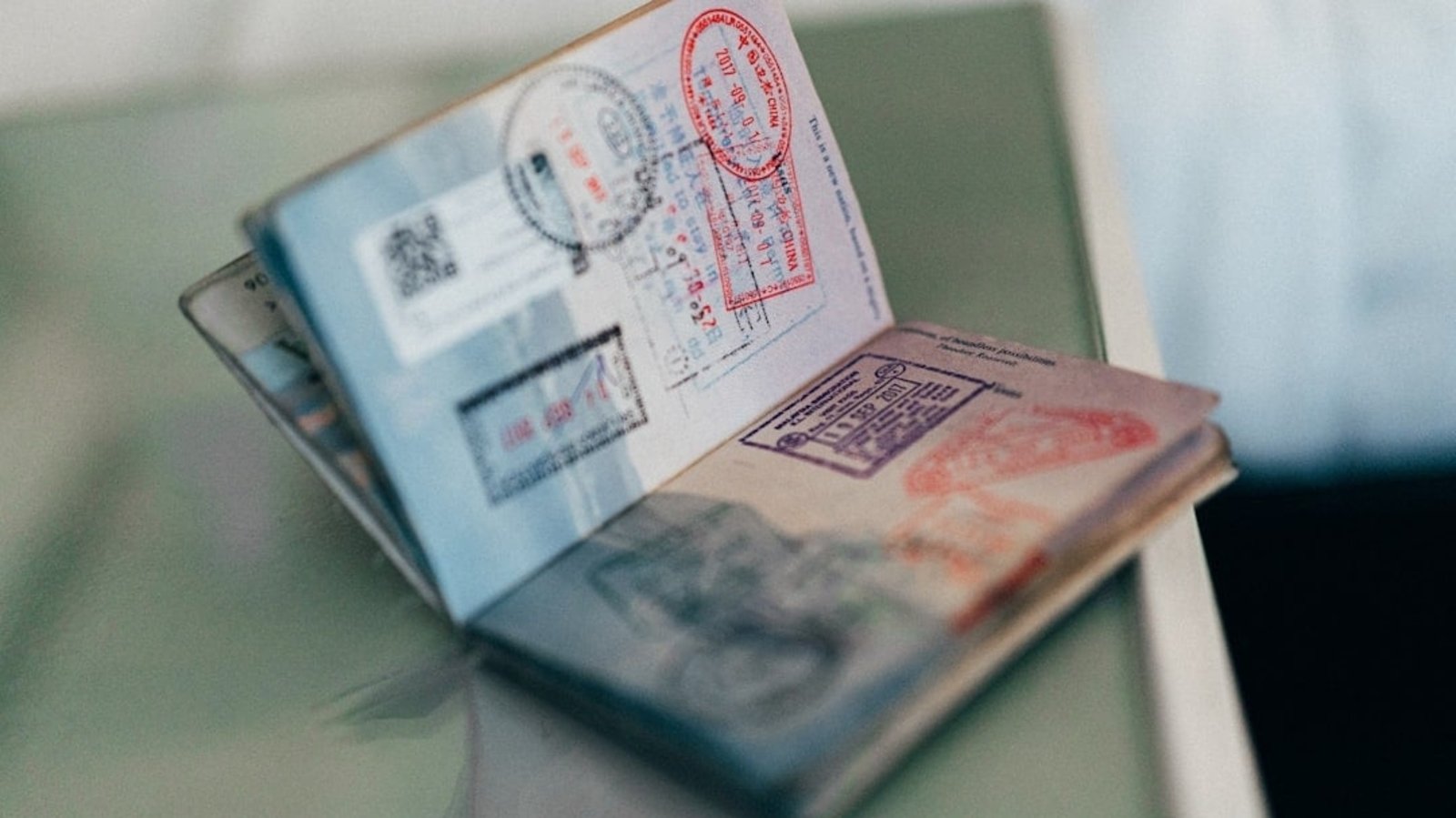
Students, including many from India, must now adhere to specified admission periods and apply for extensions to avoid unlawful presence. (Representational/Unsplash) This change comes as the US tightened regulations on visas for foreign students, exchange visitors, and journalists on Thursday, effectively ending the previous system that allowed them to remain in the country indefinitely without government oversight.
The new regulation sets a defined period of admission for nonimmigrant visa holders in F, J, and I classifications, as per the Department of Homeland Security (DHS).
The F category visas are designated for students, the J category is intended for exchange visitors, and the I category is reserved for journalists.
Who will be allowed to enter?
According to a statement from the DHS, nonimmigrant students holding F visas and exchange visitors with J visas will be allowed entry for the duration of their respective programs, with a maximum limit of four years.
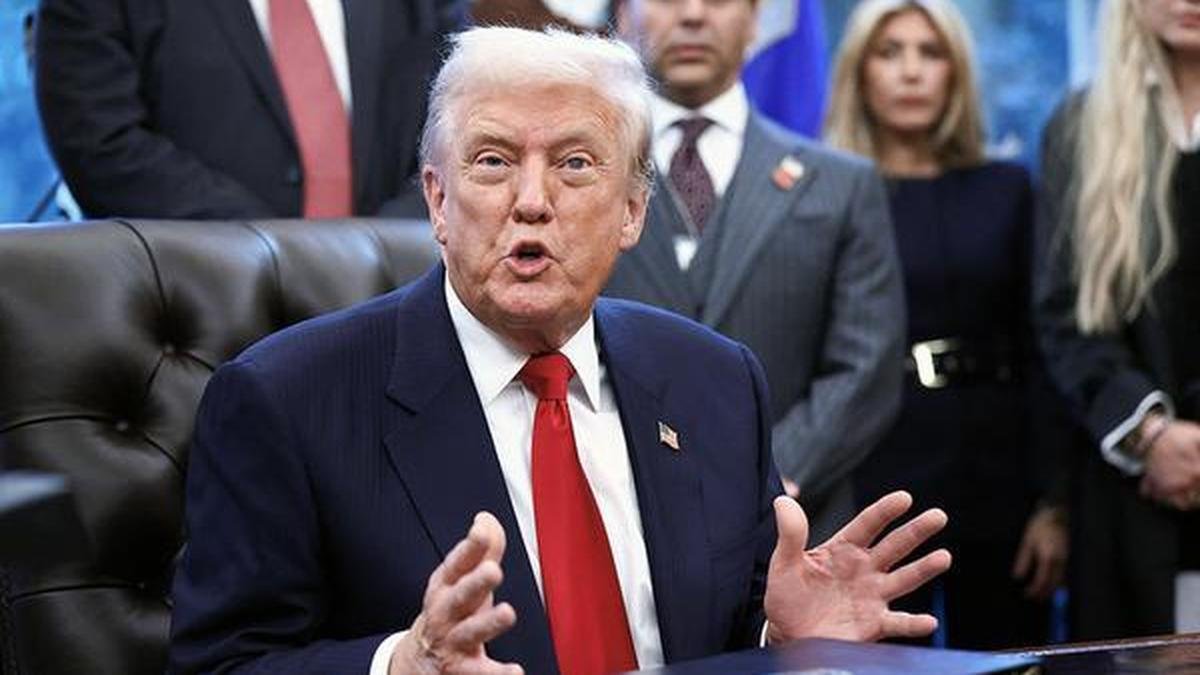
“For decades, foreign students have been admitted into the US indefinitely, allowing thousands to abuse our immigration system by perpetually enrolling in courses to avoid having to leave the US,” stated DHS Secretary Markwayne Mullin.
Mullin further emphasised that the US is regaining its capacity to effectively screen, vet, and oversee individuals within its territory by establishing clear and definitive limits on these visas.
“This final rule ensures that foreign students remain focused on their primary purpose: completing their studies and returning home,” he stated.
What was the previous regulation?
Up until now, the majority of students holding F-1 visas entered the United States under a system known as Duration of Status (D/S).
This allowed them to stay in the US for as long as they upheld their student status, even if their graduation was postponed due to reasons such as: changing majors, taking fewer credits, extending research, pursuing an additional degree, or completing Optional Practical Training (OPT).
Their university could easily provide an updated Form I-20, and students typically did not need to submit an application to USCIS for an extension.
US revives Biden-era regulation that could deny green card; check impact on Indians What is changing now?
According to the new DHS regulation, international students will be granted a specific admission period rather than an indefinite stay.
Most F-1 students will be allowed entry for: the duration of their academic program, including approved OPT, with a maximum limit of four years, plus a 30-day grace period following completion.
What occurs if your course duration is extended?
This is where the most significant change occurs.
If your degree, research, or OPT surpasses the time allocated by immigration authorities, you can no longer depend solely on your university to update your I-20.
Instead, you are required to: submit an application to USCIS for an extension, cover government filing fees, and potentially attend biometrics appointments.
Without the necessary approval, your stay may become unlawful.
Why is this significant for Indian students?
India sends a greater number of students to the US than any other nation.
Several Indian students: take longer to complete their PhDs, extend their master's programs, switch research topics, pursue STEM OPT, or transition into another degree.
In the previous system, these adjustments were primarily managed through the university.
Now, many of these changes may necessitate an immigration application with USCIS, resulting in additional paperwork, expenses, and waiting periods.
What actions should Indian students take?
If you are considering studying in the United States—or are currently enrolled—you should: Verify the admission end date on your I-94 upon entering the United States.
Monitor the expiration of your authorized stay, not merely the validity of your visa.
If your course, research, or OPT may extend beyond the authorized period, initiate the extension process well in advance.
Refrain from overstaying, as unlawful presence can lead to significant immigration repercussions.
Consult with your university's international student office prior to altering your program, extending your studies, or traveling abroad while an immigration application is in progress.
ABOUT THE AUTHOR Shweta Kukreti Shweta Kukreti has over 8 years of experience in covering Indian and world politics.
She joined the Hindustan Times in 2024 and is primarily assigned to the US desk.
She currently works as Deputy Chief Content Producer and reports on a wide range of topics, including US politics, immigration issues (especially H-1B visa) and major global events.
Shweta strongly emphasizes team operations, which encompasses monitoring news, delegating tasks, editing, developing comprehensive coverage strategies, and crafting engaging, and data-informed narratives.
She received the Digi Star Award at the Hindustan Times within a year of joining for her broad coverage of US politics.
In 2025, she earned both a promotion and a redesignation, a significant achievement recognising her contributions and the strong value she brings to the team.
She has previously worked with the Indian Express, HTDS, ANI and Republic World.
Seniors in all the media organisations recognised her work.
Regarding education, she earned a BA (Hons.) in Political Science and a master's degree from Delhi University, and she pursued a PG Diploma in English Journalism from the Indian Institution of Mass Communication (IIMC).
She also holds a diploma in Women's Empowerment and Development from IGNOU University and a French certification course from Alliance Française de Delhi.
If not working, you can find her exploring the hills and engaging in adventurous activities in Rishikesh and Himachal Pradesh.
She loves to play badminton, volleyball, and chess, and spend time with her friends and family.