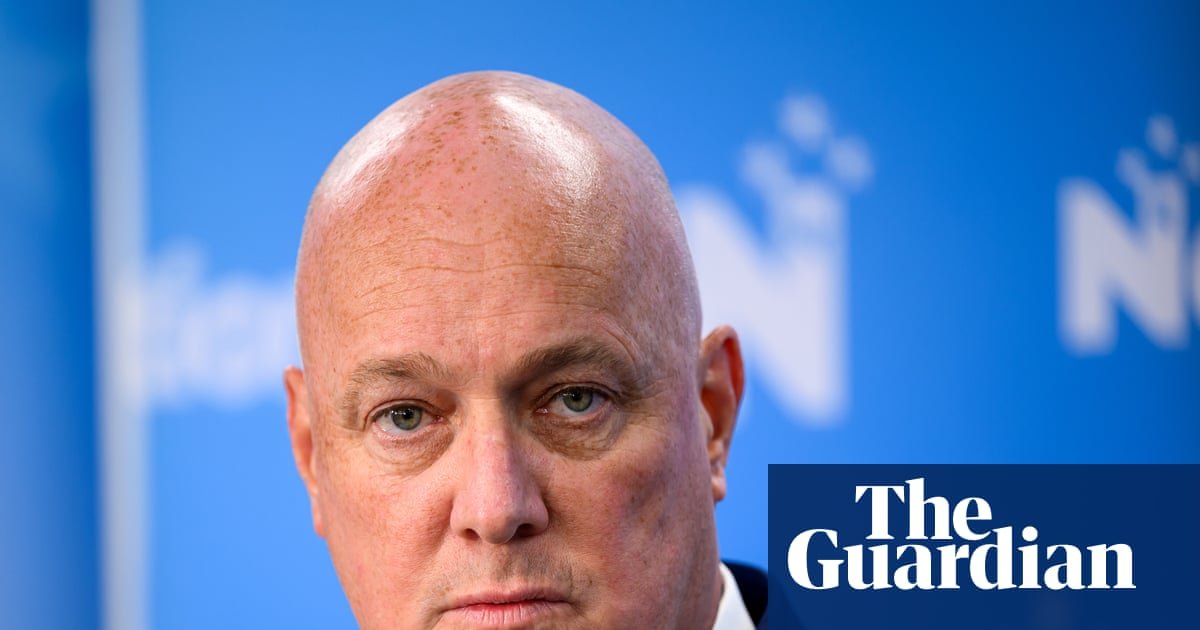
Incumbent prime minister Christopher Luxon loses majority and needs support of Opportunity party to remain in power, or country faces another election
The final results of New Zealand’s general election show the incumbent rightwing coalition will need the support of a centrist newcomer party to form a government, and to avoid sending the country back to the polls.
Preliminary results on 7 November handed the National party and its two coalition partners, the populist New Zealand First and libertarian Act parties, a slim two-seat majority, making the election too close to call until final votes were tallied.
On Friday, the electoral commission released the results from nearly 485,000 “special votes” – those cast from overseas or outside a voter’s electorate. National dropped two seats to 40, Labour stayed on 36 seats, the Greens picked up one seat to 17, Act had 13, New Zealand First 12, Opportunity seven and Te Pati Māori five.
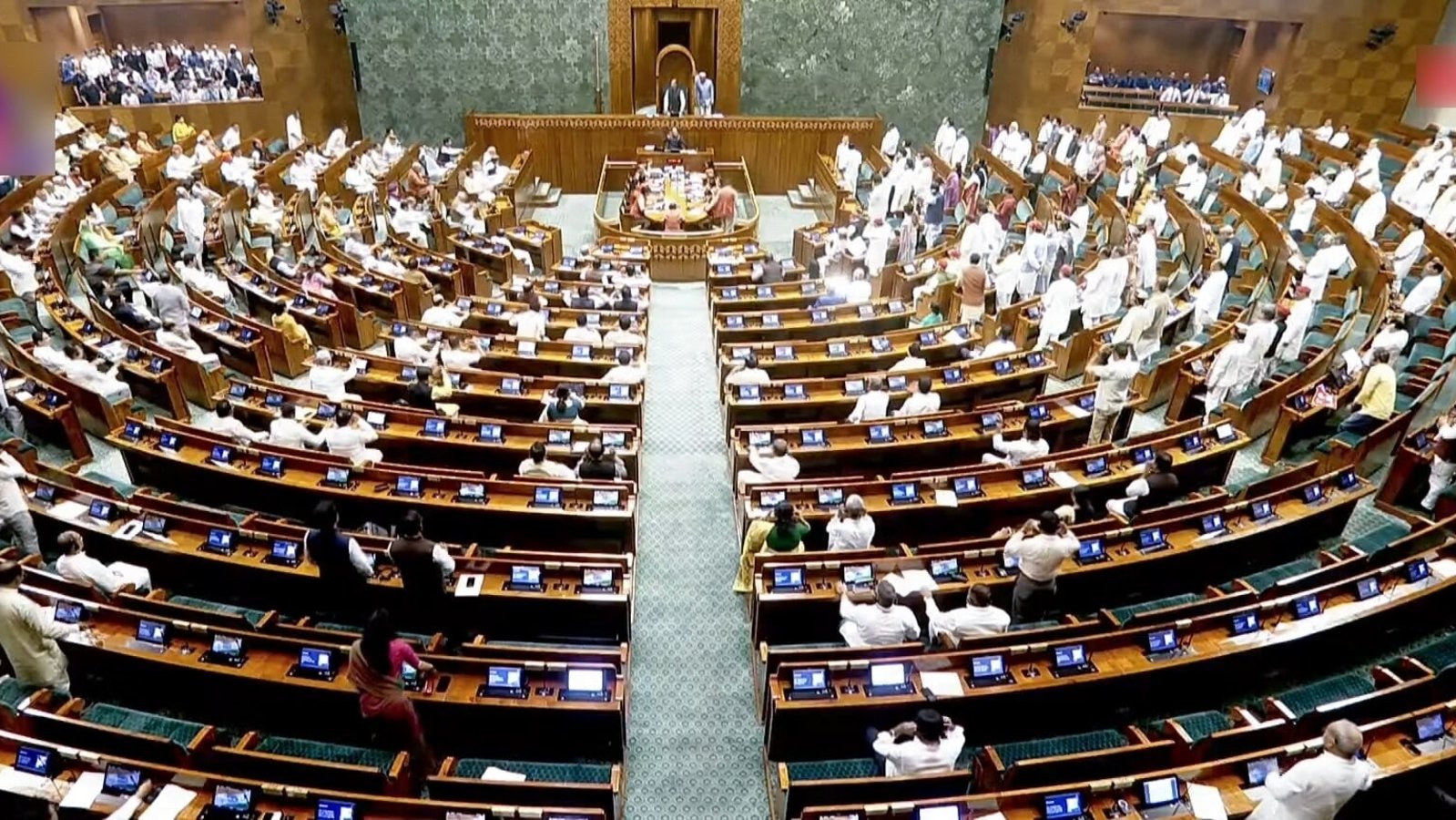
The National-led bloc currently has 65 seats. In the 130-seat parliament, 66 seats are needed for a majority.
The National-led coalition has the only realistic path to power – if it can negotiate a deal with Opportunity. If it cannot, New Zealand will likely need to hold another election.
Three electorate seats changed hands following the special votes. Labour won Wairarapa off National with just 81 votes, and took Hamilton East from of National with 173 votes. The Greens won Wellington Bays from Labour with 1,610 votes.
If National applies for a recount and wins back just one of those seats, it could return to power with a slim majority and without needing Opportunity. Applications for a recount must be made by 3 December, and results could take another five days.
Special votes in previous elections have favoured the left, and typically have cost the right one or two seats. Until Friday, a question mark hung over whether National would be able to govern comfortably alongside its coalition partners, or whether it would be forced to cut a deal with the Opportunity party – a newcomer centrist party that Luxon had previously ruled out working with.
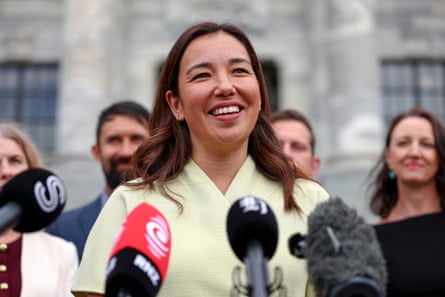
Opportunity, led by Auckland businesswoman Qiulae Wong, has long said it will negotiate first with the party that secures the highest number of seats.
Previously, Wong has said its vision for a low-emissions future, and an inclusive New Zealand, will drive its final decision. Its five bottom-line issues include action on New Zealand’s supermarket duopoly, capping political donations, a 10-year cross-party plan for health, ending bottom trawling in the fishing industry and strengthening New Zealand’s climate commitments.
After the election, Luxon softened his stance on his initial rule-out, saying he intended to find common ground with the party.
But negotiations with Opportunity could hit a snag with National’s coalition partner New Zealand First. Opportunity has said it will not strike a deal if New Zealand First’s leader, the veteran politician Winston Peters, serves as foreign affairs minister – a position he has held on three occasions.
In other points of tension, New Zealand First and Act have diametrically opposed climate policies, and Act are also unlikely to back Opportunity’s drive for political donation reforms.
New Zealand could be facing weeks of negotiations in what could become its first ever four-party coalition. In 2023, negotiations took five weeks. With Christmas just four weeks away, New Zealand may need to wait until 2027 to know the shape of its next government.