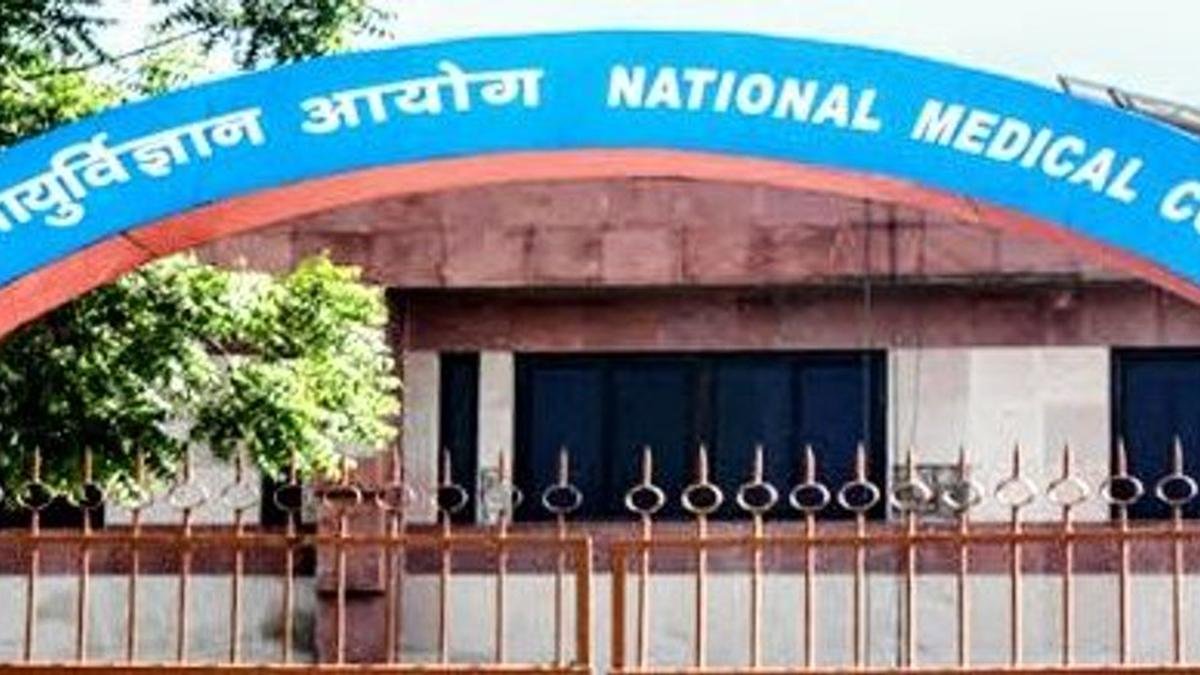
The National Medical Commission (NMC) has announced the final phasing out of postgraduate diploma courses, stating that 2026-27 will be the last academic year for admission to these programmes. It has now directed all medical colleges, institutions and universities to accordingly comply with the procedures.
As per the latest order issued this week from 2027-28 onwards, specialist training in medical colleges will be offered only through MD and MS degree programmes and institutions are supposed to convert existing diploma seats into degree seats.
Standardising PG medical exams
Medical colleges have been asked to apply for conversion through the Medical Assessment and Rating Board (MARB). The move, according to NMC, is intended to standardise postgraduate medical education, improve the quality and recognition of specialist training, align qualifications with current educational standards, and make better use of existing infrastructure in medical colleges.
Traditional diplomas, including Diploma in Otorhinolaryngology (ENT), Ophthalmology, Dermatology, Venereology and Leprosy, Tuberculosis and Chest Diseases, Public Health and Medical Radiotherapy, are typically two years in duration, compared with the three-year MD/MS degree programmes, and played an important role in producing specialists for district hospitals and smaller towns. Now, under the latest policy, these diploma seats are expected to be converted into corresponding MD/MS degree seats.
“We will have to assess the impact of the move on rural and district-level specialist availability. Traditional diplomas provided a quicker route to specialist training and supplied many doctors to smaller hospitals. The policy question now is whether converting all seats to MD/MS will improve quality without reducing the number of specialists available outside major cities,” said a health expert.
The Commission maintained that many institutions already have the faculty, clinical material and facilities required to run MD/MS programmes instead of diploma courses. Health experts add that the phase-out process began several years ago, with NMC regulations discouraging the creation of new PG diploma courses and encouraging their conversion into degree programmes. The latest notification simply sets a firm deadline for the complete transition.
On 3-year rotational system for HoDs
Meanwhile, the Commission has withdrawn its proposal to introduce a mandatory three-year rotational system for Heads of Departments (HoDs) in medical colleges, opting instead to retain the existing merit-cum-seniority-based framework. The decision follows extensive stakeholder consultations in which a majority of medical colleges, academicians and experts opposed fixed-term rotational leadership, citing concerns over disruption to academic administration, research activities and regulatory compliance.
Out of 421 suggestions specifically related to HoD rotation, 249 opposed the move while 172 supported it. Many medical colleges and academicians argued that frequent leadership changes could disrupt academic planning, research, accreditation work, and regulatory compliance. They favoured appointment of HoDs on the basis of merit, administrative ability, teaching excellence, and research output rather than automatic rotation.