Updated on: Sep 17, 2026, 12:50:42 IST By HT News Desk Prefer HTon Google Share via Copy link Prime Minister Narendra Modi on Thursday said that the successful conclusion of the BRICS Summit and the unanimous adoption of the New Delhi Declaration were evidence of India's global credibility.
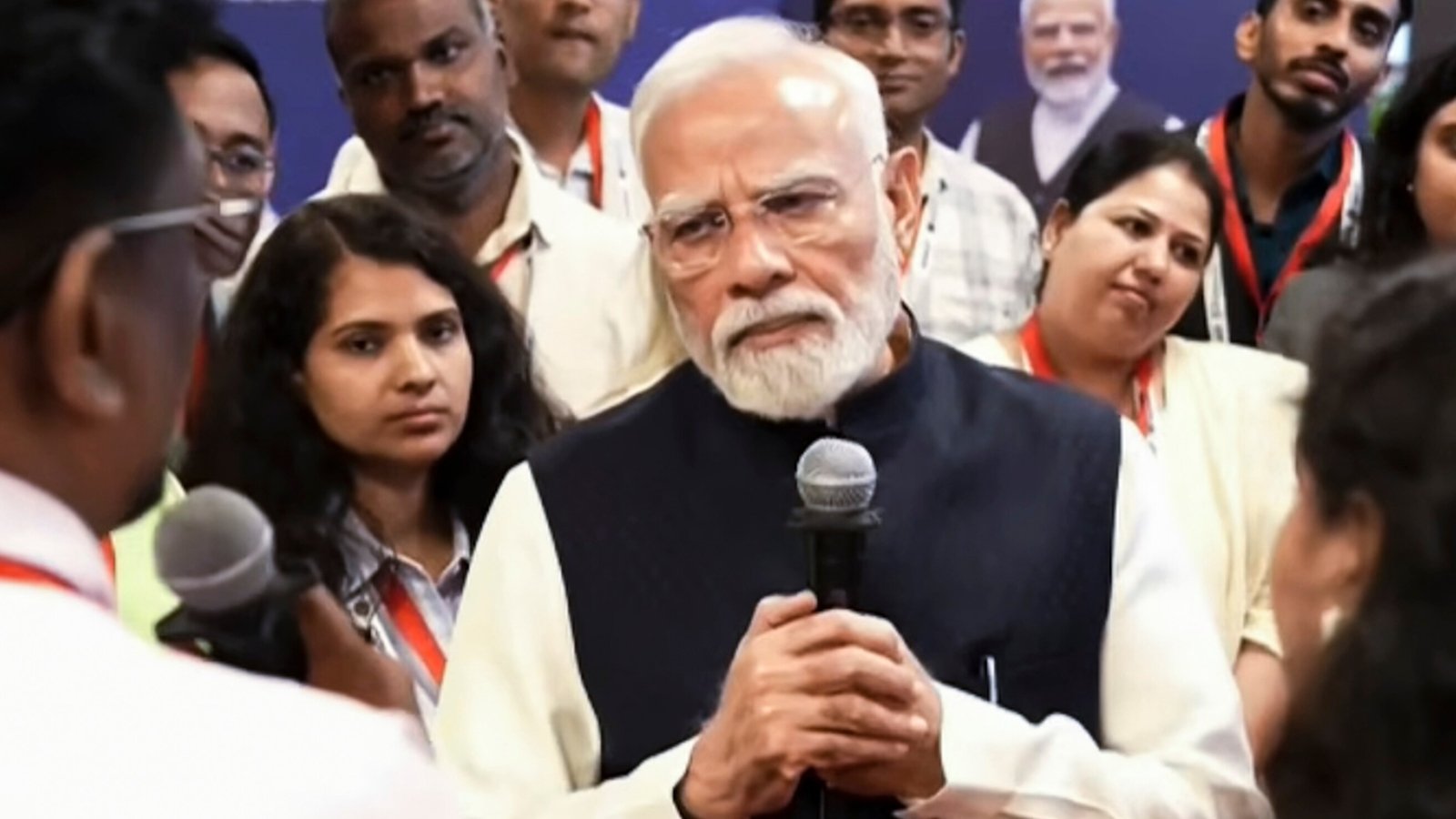
Prime Minister Narendra Modi during the inauguration of SEMICON India 2026, at Yashobhoomi Convention Centre in New Delhi. (PTI) The Prime Minister was addressing SEMICON India 2026 event in Delhi, when he said, “India successfully concluded the BRICS Summit.
The adoption of the New Delhi Declaration with everyone's support is one more piece of evidence of India's global credibility.” Modi was referring to the consensus reached at the BRICS Summit earlier last week, where member countries adopted a joint declaration despite differences between Iran and the United Arab Emirates (UAE) over the West Asia crisis.
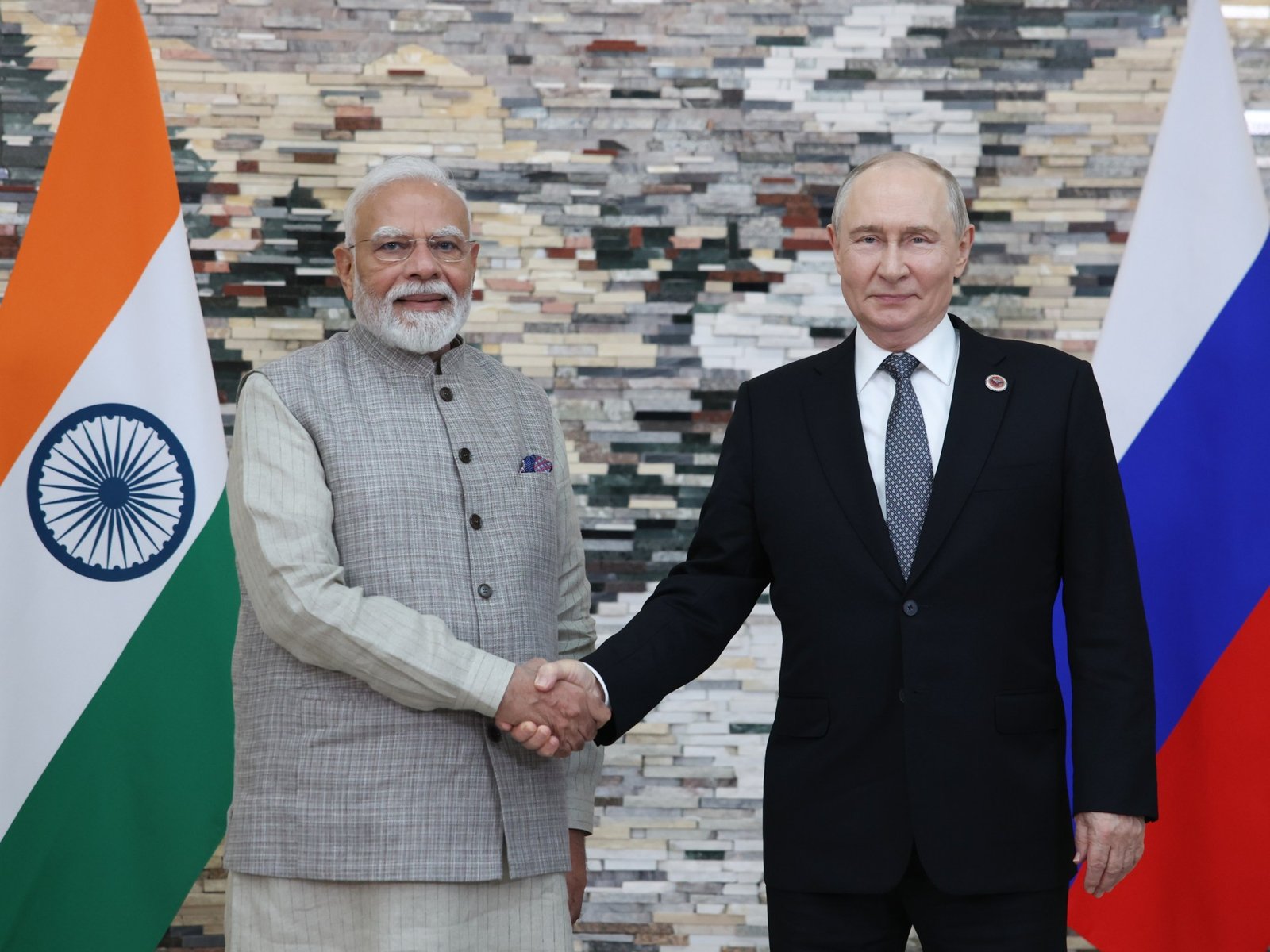
Prime Minister Narendra Modi announced the adoption of the declaration at the end of the opening day's deliberations in the presence of Chinese President Xi Jinping, Russian President Vladimir Putin and Iranian President Masoud Pezeshkian.
Modi added that organising SEMICON event amid these achievements marked “another significant milestone.” The three-day conference focuses on advancing collaboration, investment, innovation and talent development in India's semiconductor sector.
Modi on India's role in global chip supply chains Modi said India's success in critical industries such as semiconductors would help strengthen global supply chains, particularly at a time when supply networks are increasingly being weaponised.
“ When a country like ours succeeds in a critical industry, it strengthens the global supply chain—a fact that has become even more significant at a time when supply chains are being weaponized.
We should view these transformations taking place in India through this broader perspective,” the Prime Minister said.
He said the semiconductor industry was facing several challenges, creating a pressing need for new and reliable manufacturing hubs.
Modi said India was preparing to take on this role and had undertaken several reforms to strengthen supply chains.
“The semiconductor industry is facing numerous challenges.
Amidst these challenges, the world is in dire need of new and reliable manufacturing hubs, and I say this with full responsibility.
I assure you that India is continuously preparing itself for this role...India is also emphasising the strengthening of supply chains and has implemented several reforms to achieve this,” he added.
Highlighting the Centre's efforts to build resilient global supply networks, Modi said extensive policy reforms had been introduced to position India as an attractive destination for end-to-end semiconductor design, manufacturing and assembly.
The Delhi event has brought together more than 600 exhibitors, 300 international companies and delegations from over 50 countries.
The exhibition features also six country pavilions representing Japan, South Korea, Malaysia, the Netherlands, Singapore and Sweden, along with 12 state government pavilions and a dedicated Startup Pavilion. (With ANI inputs) ABOUT THE AUTHOR HT News Desk
Operating round the clock, the desk brings together experienced editors, reporters and correspondents to deliver fast, accurate and contextual reporting across subjects that influence public policy, governance, business, society and international affairs.
The HT News Desk covers politics, elections, government policies, the economy, business and markets, science and technology, the environment, law and order, infrastructure, education, climate issues and geopolitics, while closely tracking developments across states, institutions and global capitals.
The team also leads coverage of major breaking news events, policy announcements, court proceedings, natural disasters, public emergencies and significant international developments.
Reports published by the newsdesk are based on information gathered from reporters on the ground, official statements, government agencies, court records, regulatory filings, recognised institutions and other authoritative sources.
Stories undergo editorial scrutiny and verification processes to ensure accuracy, fairness and relevance, and are updated as events evolve and additional information becomes available.