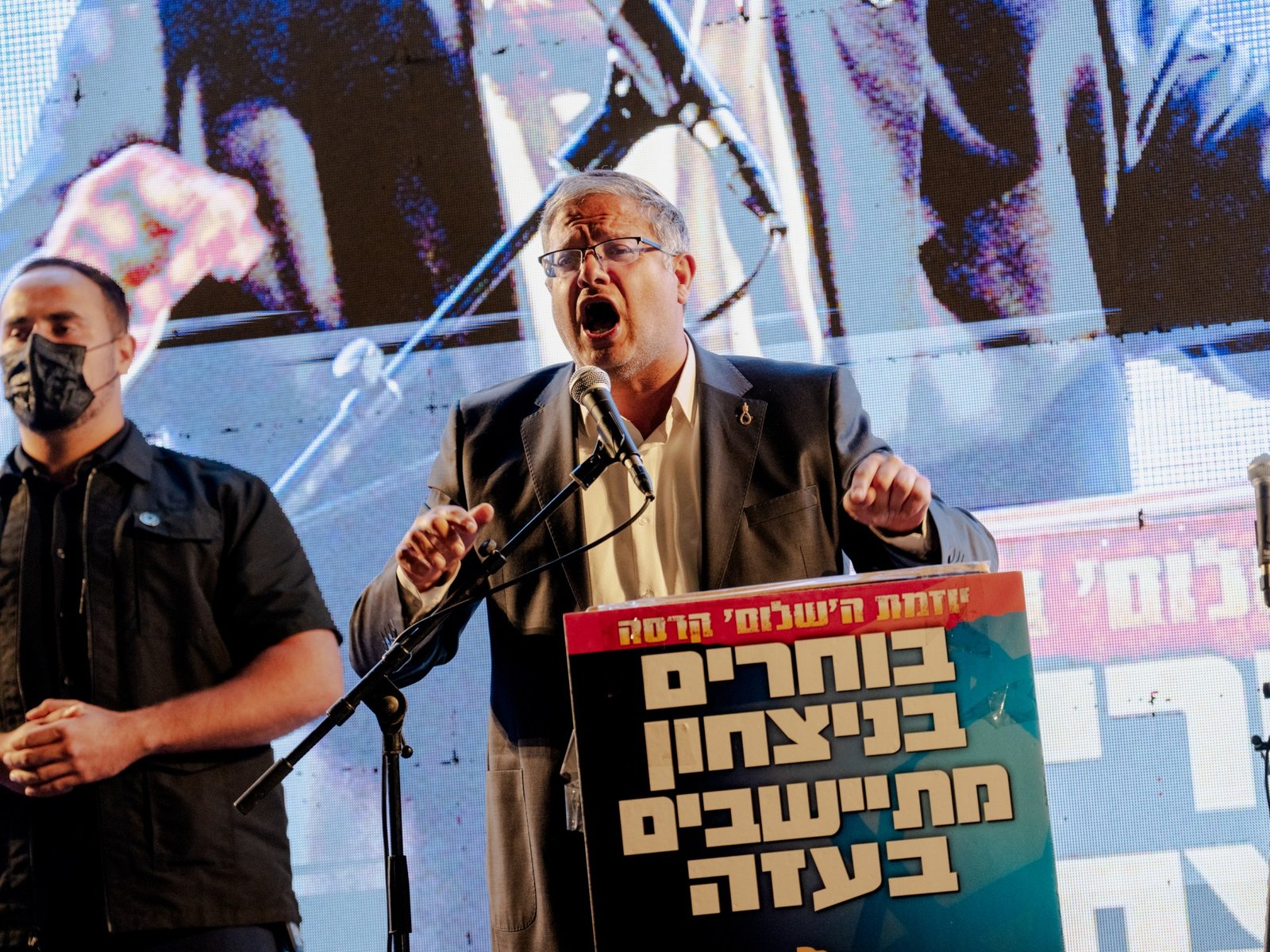
Israel's National Security Minister Itamar Ben-Gvir speaks behind a podium – on which 'Choosing victory, settling in Gaza' is written in Hebrew – during a Sukkot gathering outside Kibbutz Nir-Am on September 27, 2026, near the Israel-Gaza separation fence [Erik Marmor/Getty Images] By Al Jazeera Staff Published On 29 Sep 202629 Sep 2026 The final stretch before Israel’s election is unfolding in an increasingly charged political atmosphere, with parties and candidates keenly aware of how every move will play with voters.
This week, ministers launched an illegal West Bank settlement at a ceremony that doubled as a stump speech, and Prime Minister Benjamin Netanyahu defiantly addressed the United Nations General Assembly as delegations walked out.
National Security Minister Itamar Ben-Gvir released another video from an Israeli prison, this time filming himself threatening to kill jailed Hamas figure Hassan Salameh.
Meanwhile, Finance Minister Bezalel Smotrich called for the army to “go to war” in the occupied West Bank.
All of this unfolded as the Jewish festival of Sukkot arrived, bringing closures and incursions at Al-Aqsa Mosque.
Settlement openings, demolitions and holiday closures On September 23, Israeli ministers and members of parliament attended the founding ceremony of the new illegal settlement in the occupied West Bank, Metzoke Eretz, Haaretz reported.
The politicians, including Smotrich, argued that only a Netanyahu-led government would sustain the momentum of settlement building.
The site had previously been the Netzah Harel outpost, established in 2023, in the vicinity of the now-ethnically cleansed Bedouin community of al-Muarrajat al-Wasat, on private Palestinian land.
Metzoke Eretz is one of 104 settlements the Israeli government has legalised – even if they remain illegal under international law – during its term.
Advertisement Demolitions continued alongside the settlement building, focused on Masafer Yatta, a Palestinian community in the southern occupied West Bank, which has seen a large number of large-scale demolitions in recent weeks.
Israeli forces razed 24 homes in the village of Jinba on September 23, displacing about 180 people, more than 80 of them children, according to Israeli rights group B’Tselem.
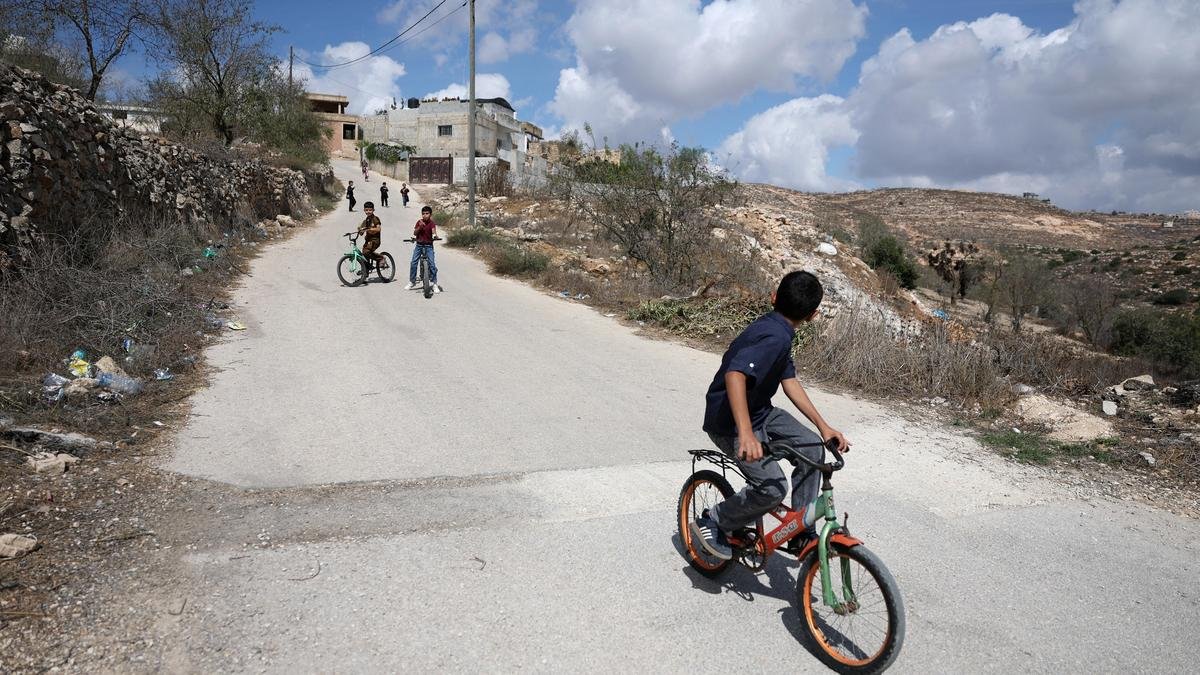
Meanwhile, after days of road closures for Palestinians across the occupied West Bank, on Sunday, Israeli authorities announced a weeklong closure of the territory and its crossings for the Jewish holidays.
Forces shut roads and village entrances around Ramallah, including those of Turmus Aya, Aboud, Nabi Saleh, Atara and Taybeh, and set up checkpoints at Yabrud, Ein Siniya and Jaba.
Palestinian news agency Wafa described “severe and unprecedented” congestion that day, with hundreds of vehicles stranded at checkpoints.
On Monday, soldiers at Atara stopped ambulances from crossing, forcing residents to ferry patients through in private cars and hand them over at the checkpoint, according to field activists Ayed Jafry and Fidaa Barghouthi.
Jafry also reported soldiers closing the gate at Sinjil, the town’s only entrance.
In occupied East Jerusalem, Palestinian movement was further curtailed to make way for settler worship.
On September 24, the far-right rabbi Yehuda Glick led a group in religious rituals inside the Al-Aqsa Mosque compound, which has since seen thousands of settlers enter it during the Jewish holidays.
Tensions were already high after a Palestinian allegedly drove into a group of Israelis at a checkpoint west of Ramallah on September 23, critically wounding Neria Leiter, the son of Israel’s ambassador to the United States, before being shot dead.
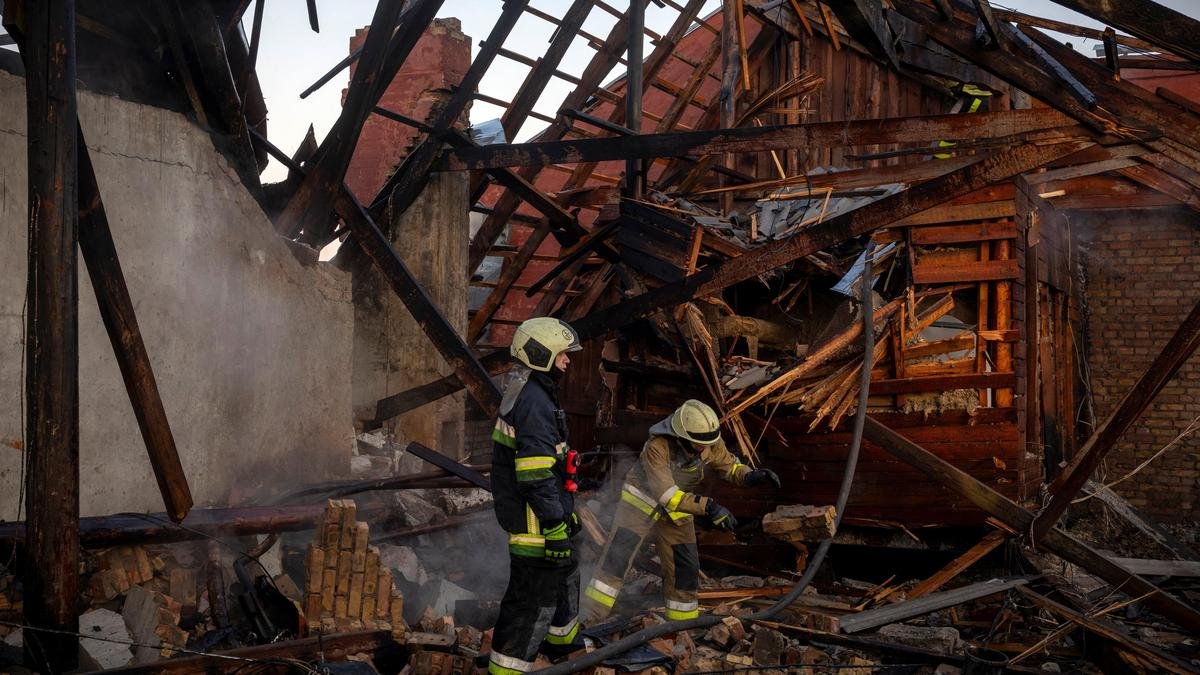
West Bank: Settlers stake out the groves Israeli settlers uprooted olive trees in Beit Ur al-Fauqa, and Israeli bulldozers razed groves in Nabi Saleh and Beit Rima, destroying hundreds of trees, many of them centuries old, according to local activists.
Israeli authorities called the Nabi Saleh operation a security measure tied to a settler’s killing near the illegal settlement of Halamish on September 20, but activists noted that the grove is near neither the spring where the shooting occurred nor a settlement.
With the harvest approaching, settlers were seen and documented stealing olives in Sinjil, Turmus Aya, and Umm Safa on Monday, according to Wafa.
Pogroms also continued, including in Farkha, where dozens of settlers, some carrying military-issue rifles, beat two men on September 24.
On Sunday, settlers beat two men in Burqa and attacked the Kaabneh community near Taybeh, cutting off its water and electricity, Wafa reported.
Gaza: Killings continue under ‘ceasefire’ In the Gaza Strip, meanwhile, daily killings continued amid drone strikes on people’s homes and displacement camps.
Advertisement The week’s dead, according to local reports and activist accounts, include Jabr Muqbil, 34, an exchange-office owner killed in Deir el-Balah on September 24, when relatives who rushed to the scene were wounded in a follow-up strike.
Israel claimed Muqbil was a Hamas member.
Separately, on September 23, Osama Abu Khater and Mohammad Abu Elwan were killed in an al-Mawasi drone strike, with Israel describing the latter as a Hamas finance official.
On Saturday, 12-year-old Muhammad Sief al-Din al-Shakhrit was reported killed in the al-Mawasi area.
And on Sunday, Oday Adli al-Assar, 28, was killed in a drone strike in Khan Younis.
Then, on September 28, a strike on the roof of a home sheltering displaced people in Gaza City’s al-Mashahara area killed Amal Khalid al-Ajla and wounded others.
Conditions in the beleaguered Strip continue to deteriorate, with Israel still preventing aid from entering in sufficient amounts.
A UN Trade and Development (UNCTAD) report this week found 92 percent of Gaza’s economic establishments damaged or destroyed.
The US-created Board of Peace had said it would not work with UNRWA, the UN agency for Palestinian refugees, in Gaza.
And while the board’s envoy, Nickolay Mladenov, announced a $2.45bn reconstruction package for the Strip, he tied its full implementation to Hamas disarmament.
Over the course of the week, Gaza’s Ministry of Health recorded another 27 Palestinians killed, reaching a post-“ceasefire” death toll of 1,421.
The number of Palestinians killed since the start of Israel’s genocidal war on Gaza in October 2023 passed the 74,000 mark, reaching 74,022 as of September 28.