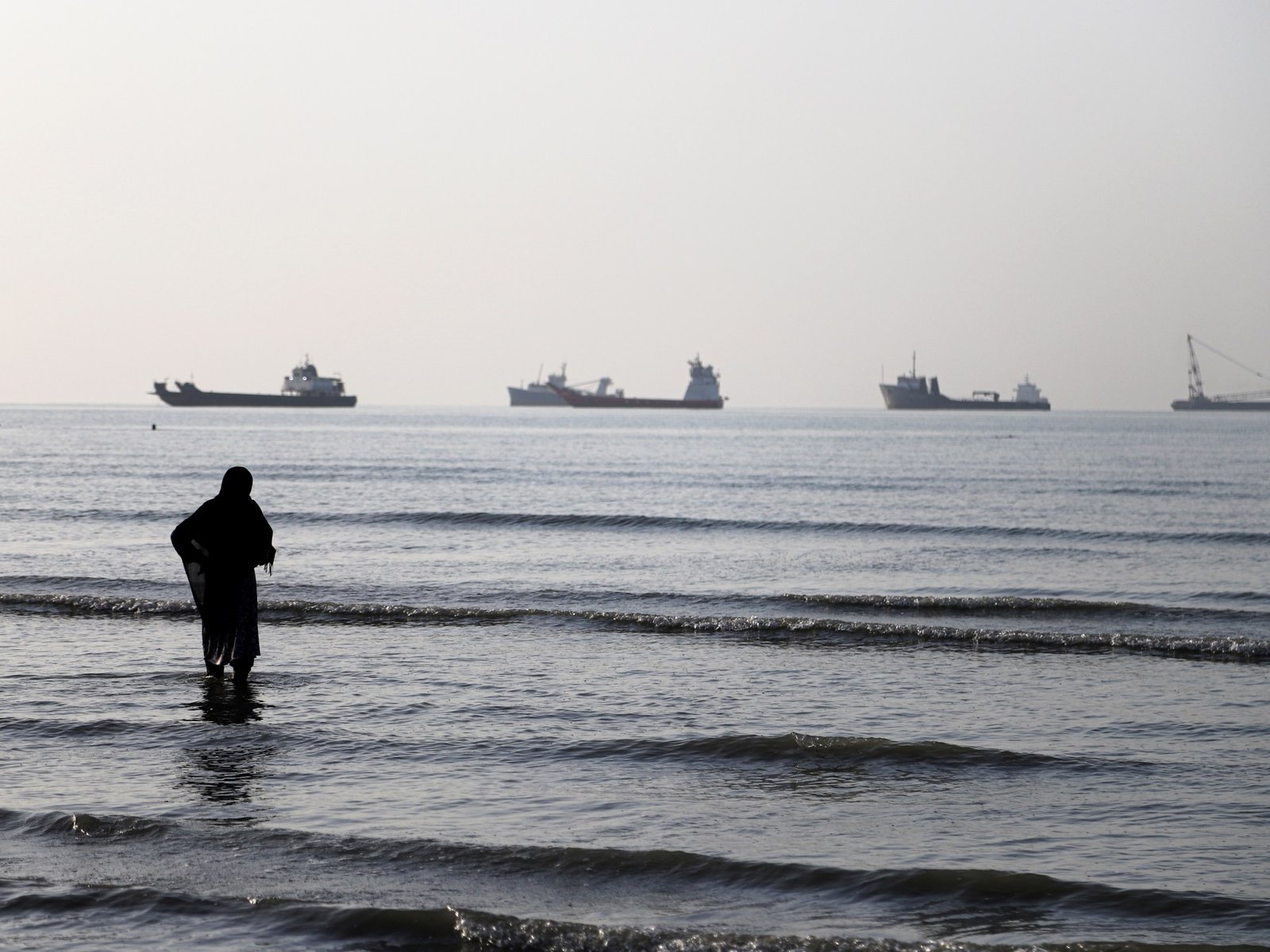
Save Share Cargo ships stuck in the Strait of Hormuz, on June 1, 2026 [Amir Hossein Khorgooei/EPA/ISNA] By Maziar Motamedi Published On 27 Jun 202627 Jun 2026 Tehran, Iran – Iran has indicated that there will be no direct communication between US and Iranian military officials as part of a hotline proposed by Washington designed to ease tensions in the Strait of Hormuz.
Islamic Revolutionary Guard Corps (IRGC) spokesman Hossein Mohebi downplayed reports on Friday of direct communications being established between the US and Iran to manage the strategically important waterway.
It came as the US and Iran exchanged fire again on Friday and Saturday after commercial vessels sailing outside a channel designated by Tehran were targeted by unknown perpetrators.
“Claims by American officials regarding the establishment of a direct line between Iran and the United States concerning the Strait of Hormuz” are completely false, Mohebi wrote on X.
“This has not happened and will not happen … The Strait of Hormuz is Iranian territory and has no connection to the United States.” Channels of communication Mohebi’s X post did not elaborate on whether Tehran only rejected direct military-to-military contact with Washington, or whether a separate channel led by civilian officials would operate.
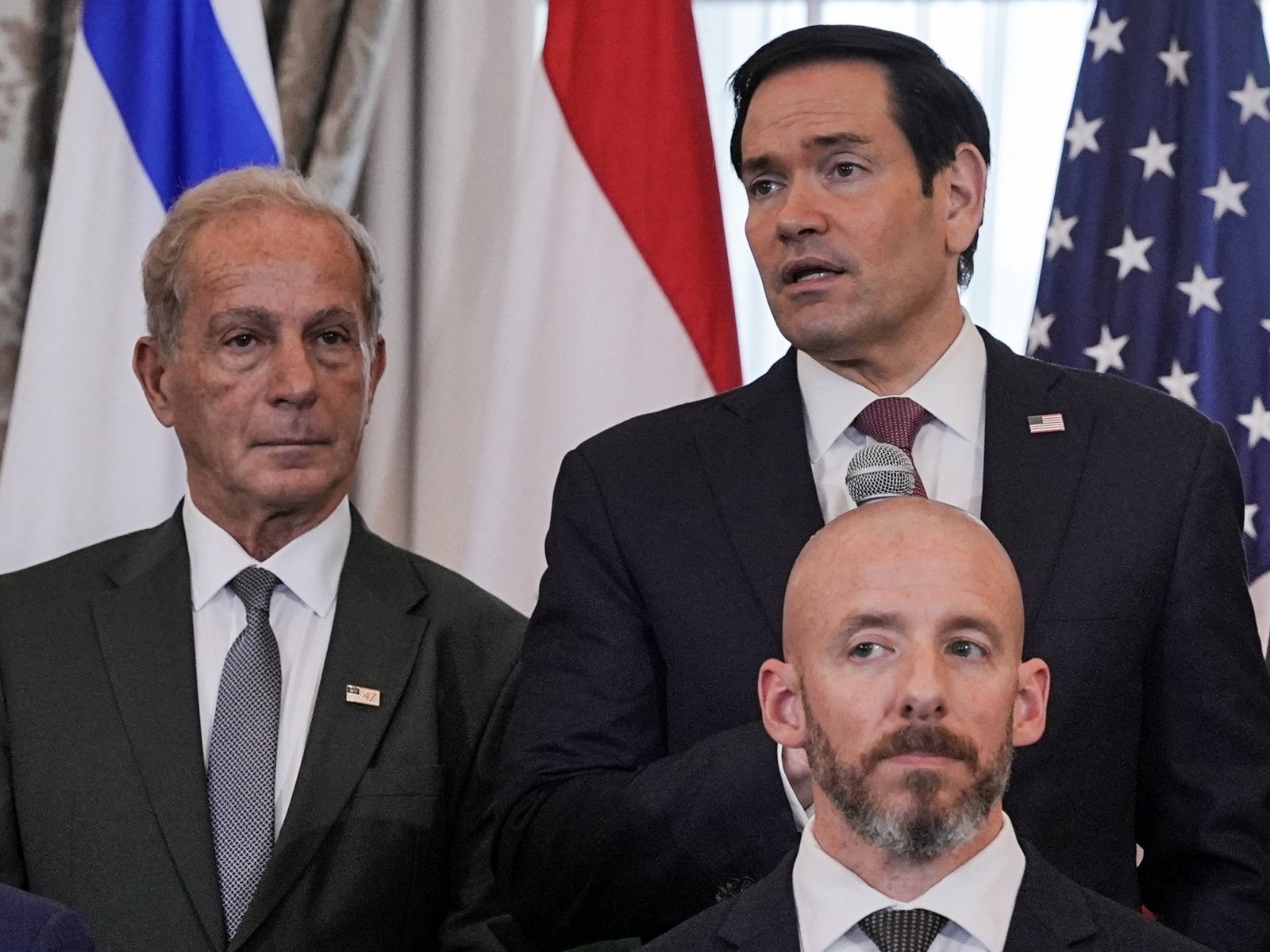
Vice President JD Vance told media on Monday after a meeting between Washington and Tehran officials in Switzerland that a “channel on the Iranian side” for reducing conflict in the Gulf would be established.
He also implied that direct military-to-military communications had already been agreed between the two sides.
“They [Iran] were like, ‘OK, fine, we’ll send somebody from the IRGC to go hang out in Doha with somebody from CENTCOM,’ and that’s how we’re going to settle a lot of these disputes,” Vance told UK media outlet UnHerd.
The IRGC is considered a “foreign terrorist organisation” (FTO) by the US government.
On Friday, Iranian state-run broadcaster Press TV reported that a communication line had been established between the two sides in the Strait of Hormuz after the conclusion of the Switzerland talks.
Advertisement The goal was to “help prevent incidents that could trigger military escalation” and to implement the provisions of Article 5 of the MoU, it said.
Article 5 deals with resuming commercial maritime traffic through the Strait of Hormuz, after major prolonged disruptions to the waterway since the US-Israeli launched their military offensive on Iran on 28 February.
Press TV also stated that Iran and Oman will “determine the future management and maritime services of the Strait of Hormuz, in consultation with other Persian Gulf littoral states and in accordance with international law and the sovereign rights of the littoral states of the Strait of Hormuz”.
Gregory Brew, senior Iran analyst at the Eurasia Group, said the establishment of the direct line of communication appears to have been part of the MoU, even though it was not explicated, with the goal of creating a deconfliction channel between the US and Iran specifically over the situation in the Strait of Hormuz.
“The MoU addresses the strait, but doesn’t fully clarify what the status is going to be moving forward,” he said.
“We’ve seen over the past couple of days an attempt by Iran to establish a more permanent influence over the management of the strait, to try to force shipping into the channels in the areas of the state that Iran controls, and to force Gulf states, particularly Oman, to include Iran in any deal or any kind of management of the strait with international organisations.” Brew also said the FTO designation was unlikely to stand in the way.
“[It] is largely a problem for commercial transactions, it’s not really an issue when it comes to military and political communications,” he said.
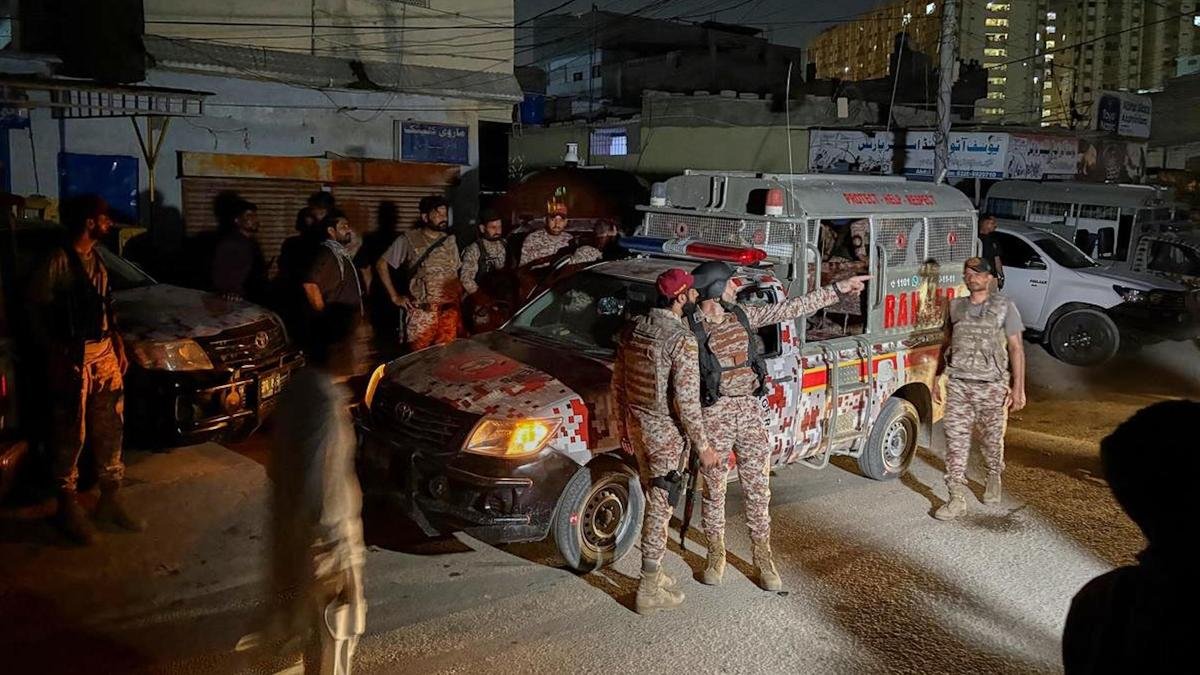
“The [US] administration has previously been in contact with designated terrorist groups, including Hamas and Hezbollah, so talking directly to the IRGC doesn’t appear to be a serious problem, at least from the legal point of view of the administration.” New clashes The Singapore-flagged container ship, Ever Lovely, was hit by an unknown projectile late Thursday as it navigated a route through the Strait of Hormuz recommended by the United Kingdom Maritime Trade Operations (UKMTO).
It had been stranded at sea for over 100 days after unloading cargo in an Iraqi port.
US Central Command said on Friday that military facilities on Iran’s southern coastline were targeted “as a powerful response to yesterday’s attack on a commercial ship that was transiting the Strait of Hormuz”.
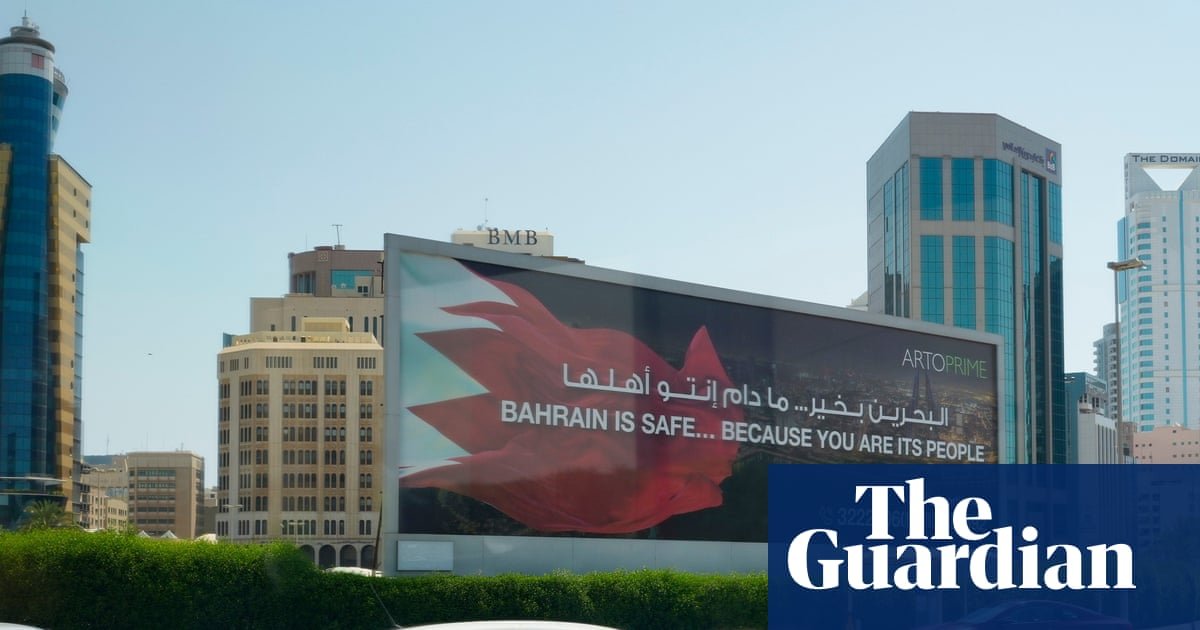
Bahrain faced drone strikes on Saturday morning after the US attack – the first exchange of fire between the US and Iran since the MoU was signed on 17 June.
Advertisement Iran has demanded that vessels transiting the Strait of Hormuz must use a route designated by its armed forces – close to Iran’s shores – or risk being turned back or targeted.
Vance on Friday warned Tehran that “violence will be met with violence”.
“If they have disagreements about how the MoU is being applied, they can pick up the phone,” he posted on X.
The IRGC has taken issue with a passage route coordinated between Oman and the International Maritime Organization (IMO), saying it was not consulted.
The UKMTO on Saturday increased the threat level in the Strait of Hormuz to “substantial” following the targeting of merchant vessels, but it was unclear if military confrontations would ratchet up again.
The Eurasia Group’s Brew said he does not believe the exchanges of fire are going to bring about the collapse of the MoU and a return to “full hostilities”.
“The Iranians are trying to push their luck and see how far their leverage can extend and the US is pushing back, and I expect there to be efforts to manage the confrontation through the communications channel,” he said.
“So this suggests that the agreement, while shaky, is being set up along lines to make it more durable.”