While reviewing the ITI ecosystem and the implementation of PM-SETU, PM Modi called upon chief ministers and chief secretaries to provide leadership in strengthening ITIs and deepening industry participation under PM-SETU.
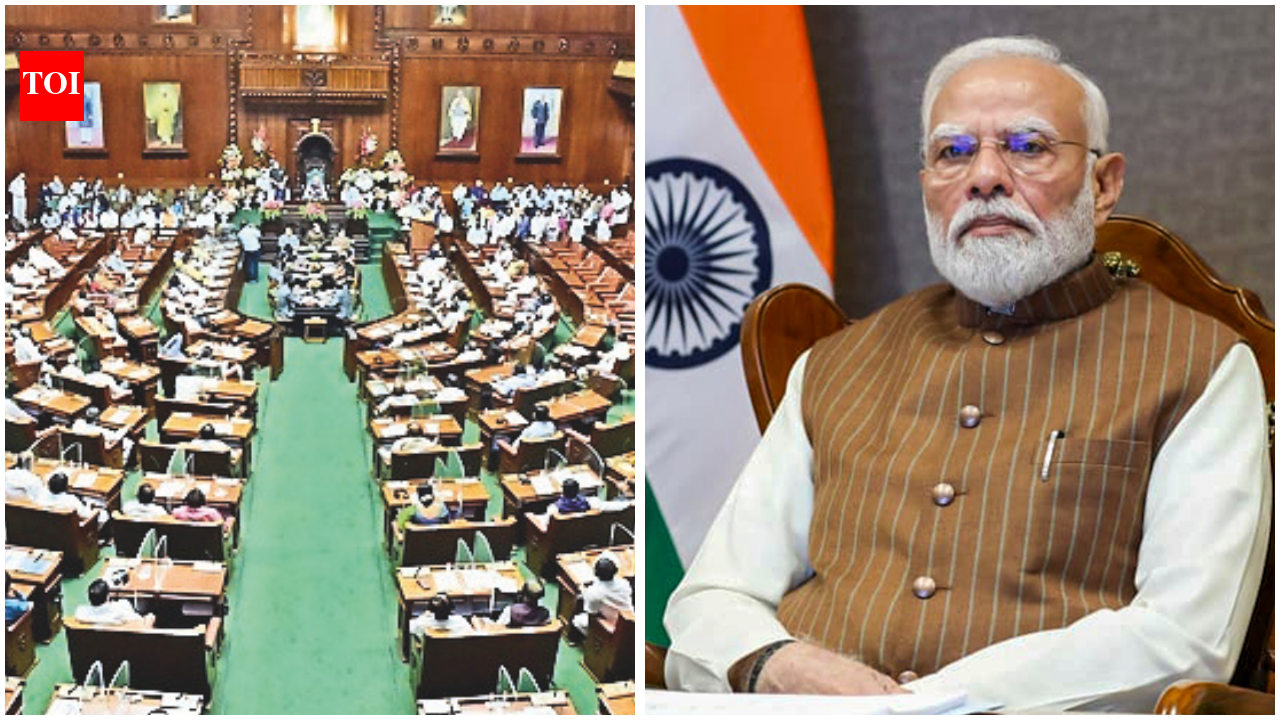
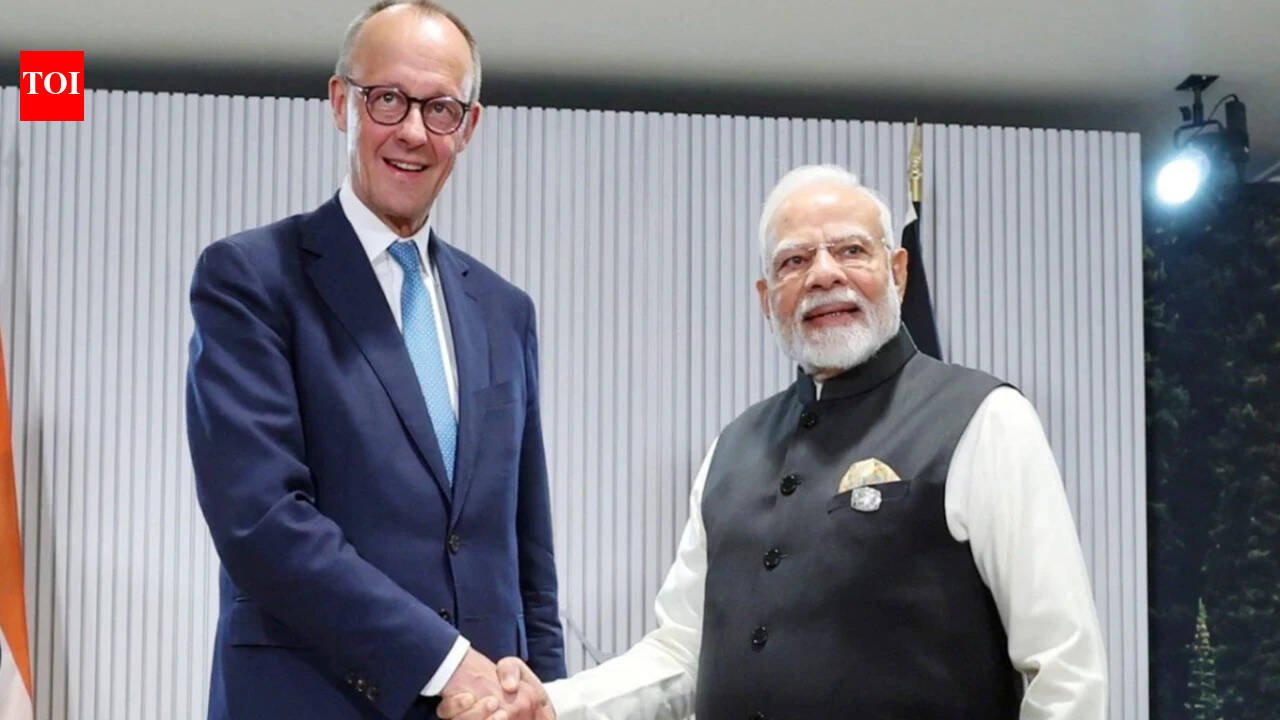
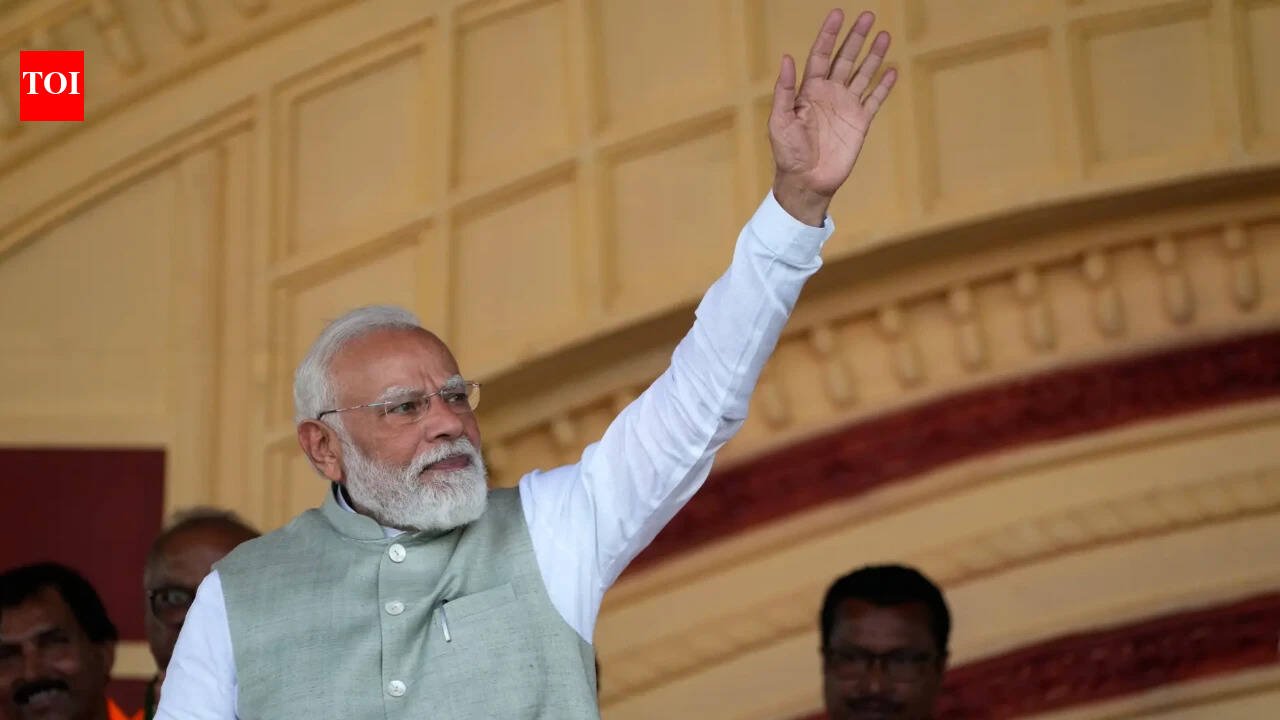
NEW DELHI: PM Narendra Modi on Wednesday called for public sector undertakings (PSUs) to strengthen their links with Industrial Training Institutes (ITIs) for training and recruitment of youth, pitching a ‘Classroom–Company–Career’ approach to bridge the gap between skilling and employment and create job opportunities closer to home, which will help address migration to some extent as well.Chairing the monthly PRAGATI meeting, PM suggested that PSUs should assess their future manpower requirements and partner with ITIs to train and recruit candidates in relevant trades.
He also encouraged them to support practical training and apprenticeships and give greater priority to hiring trained ITI graduates.While reviewing the ITI ecosystem and the implementation of PM-SETU, PM Modi called upon chief ministers and chief secretaries to provide leadership in strengthening ITIs and deepening industry participation under PM-SETU.
Officials said the PM threw a challenge to chief secretaries to set up five clusters across big states, three in small states and one in UTs in the next three months.Under PM-SETU (Pradhan Mantri Skilling and Employability Transformation through Upgraded ITIs), a “cluster” refers to a group of govt ITIs linked through a hub-and-spoke model, with one major ITI serving as the hub and several smaller ITIs functioning as spokes.Join conversation Share your thoughts in the comments Be respectful · TOI community guidelines Reviewing a power project, PM Modi suggested exploring innovative models for decentralised solar and wind power projects.
He said that such projects should be developed closer to centres of consumption wherever feasible, taking into account local resource availability and demand.
These efforts should aim to improve the availability of reliable and affordable power and ease pressure on transmission infrastructure.