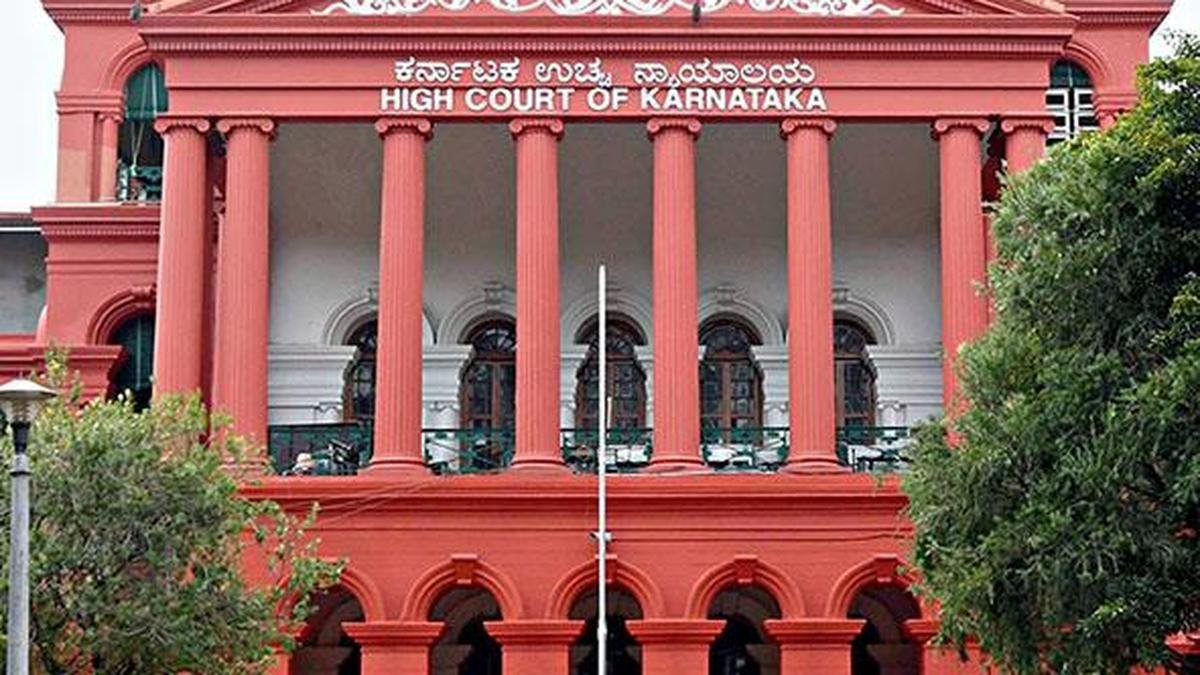
Ramlila Maidan is best known as a venue for the annual staging of Ramlila, the traditional enactment of the Ramayana.
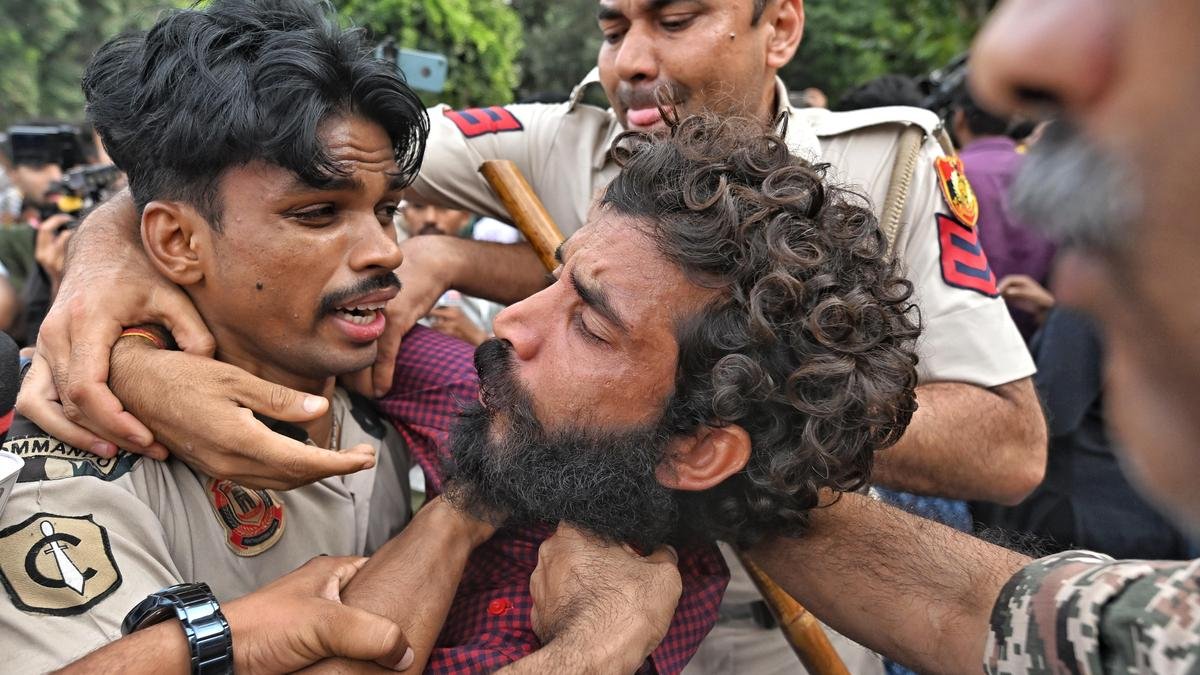
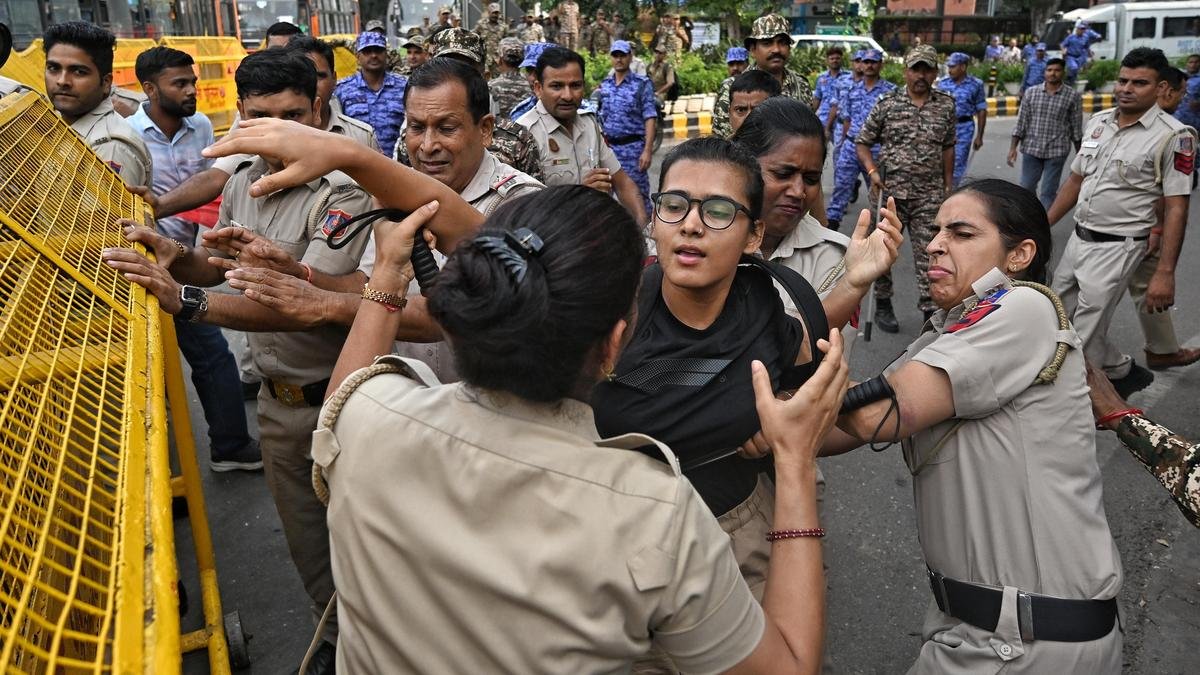
NEW DELHI: Delhi has a new map for protest, with Jantar Mantar losing its status as a designated venue for demonstrations on Monday.
Delhi Police has named three alternative sites, including Ramlila Maidan in central Delhi, a ground that has witnessed political movements with far-reaching consequences for the Congress.The other two designated venues are Burari Ground in north Delhi and CBD Ground in east Delhi.
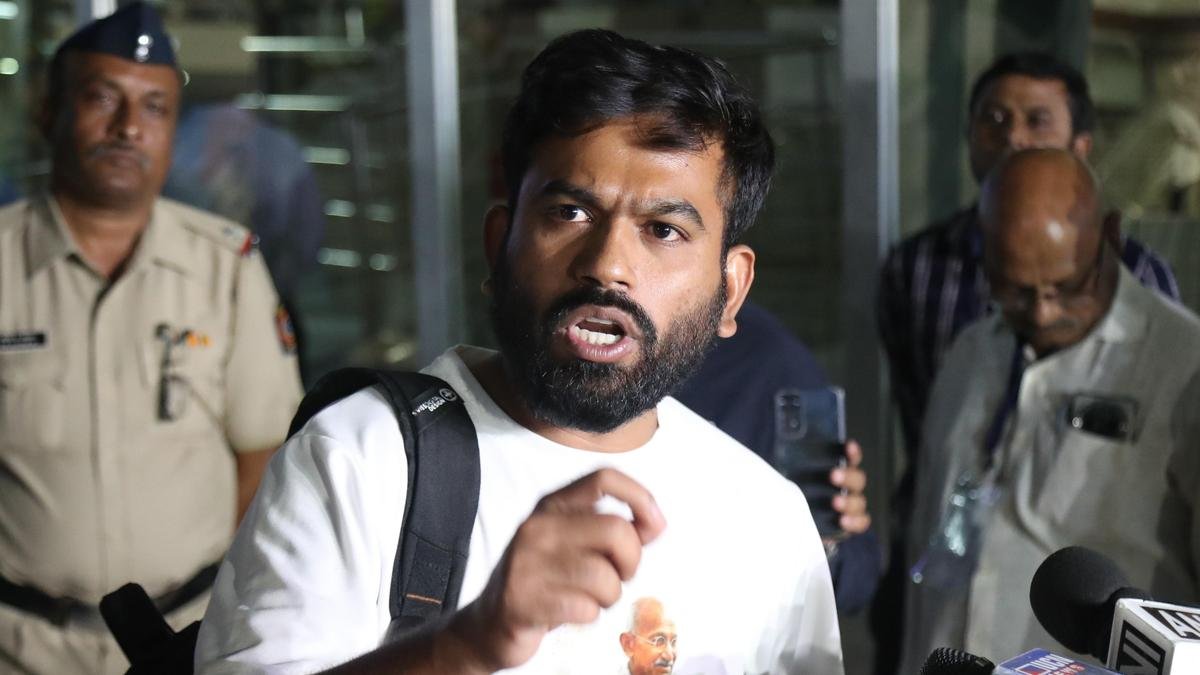
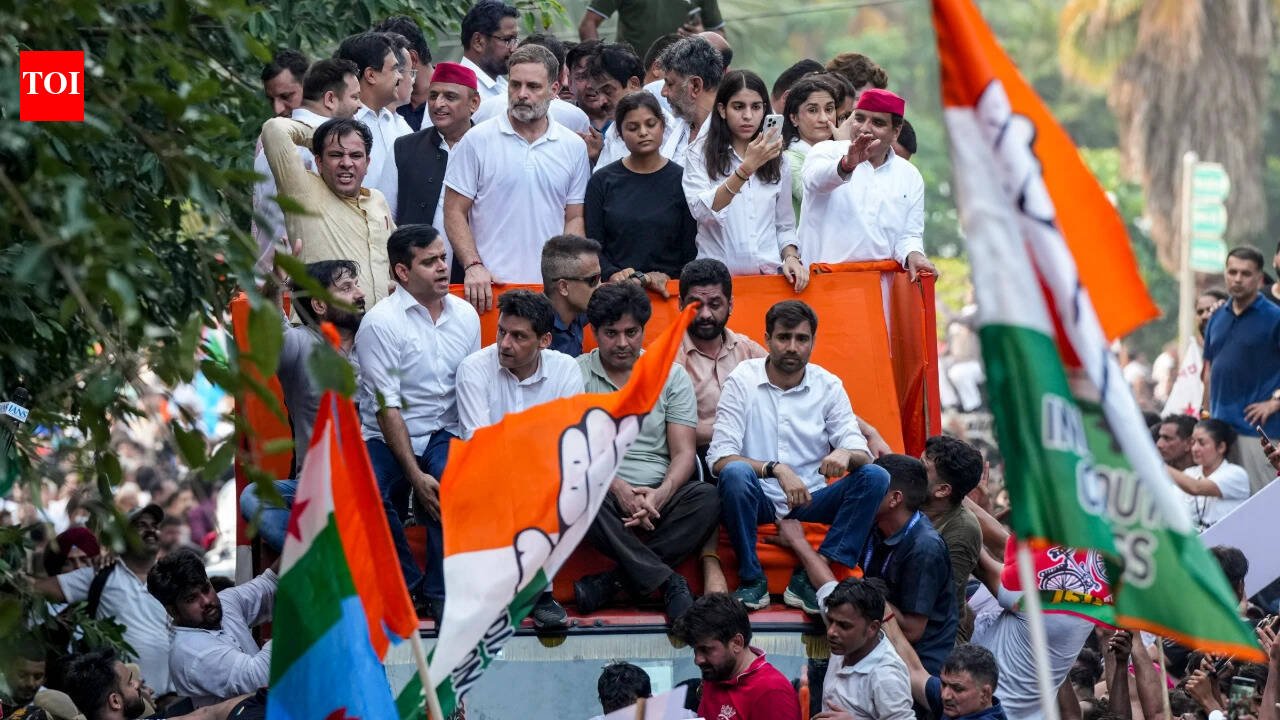
The move comes amid protests against the Election Commission over alleged irregularities in the Special Intensive Revision (SIR) of electoral rolls.
While Jantar Mantar's removal marks a significant shift in the capital's protest landscape, Ramlila Maidan brings its own political history to the fore.
Watch No Date, No Peace?
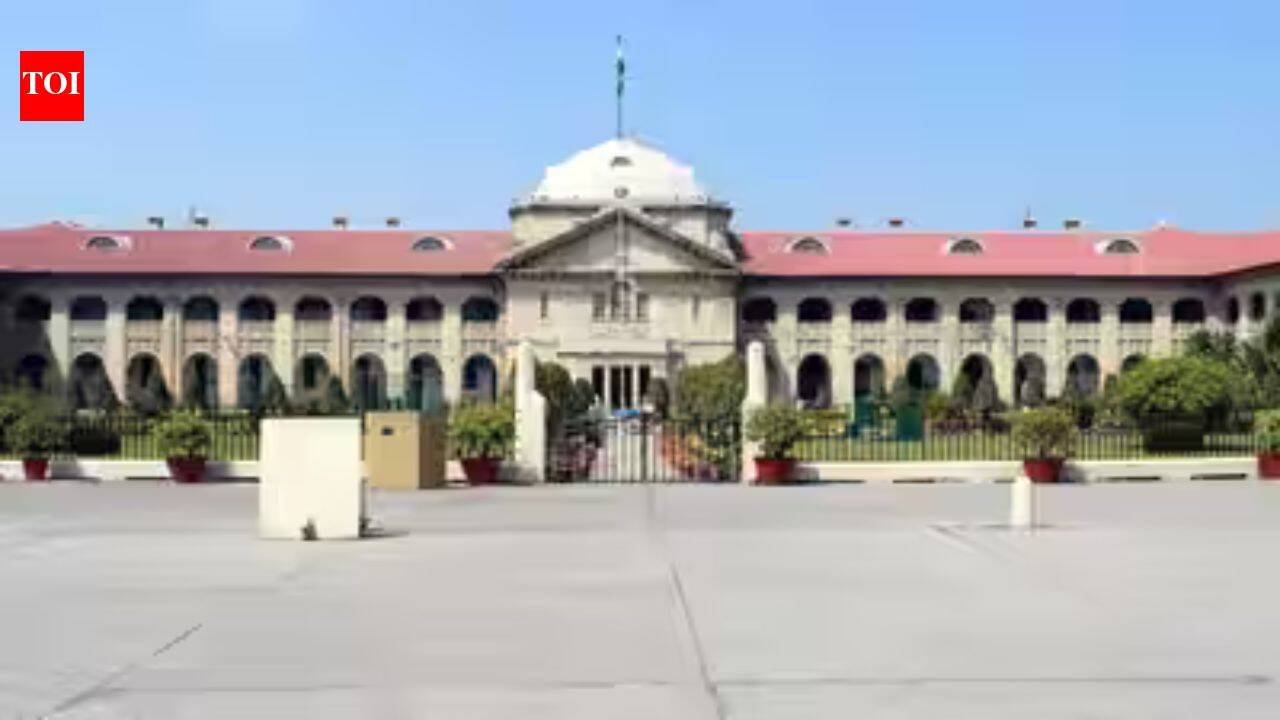
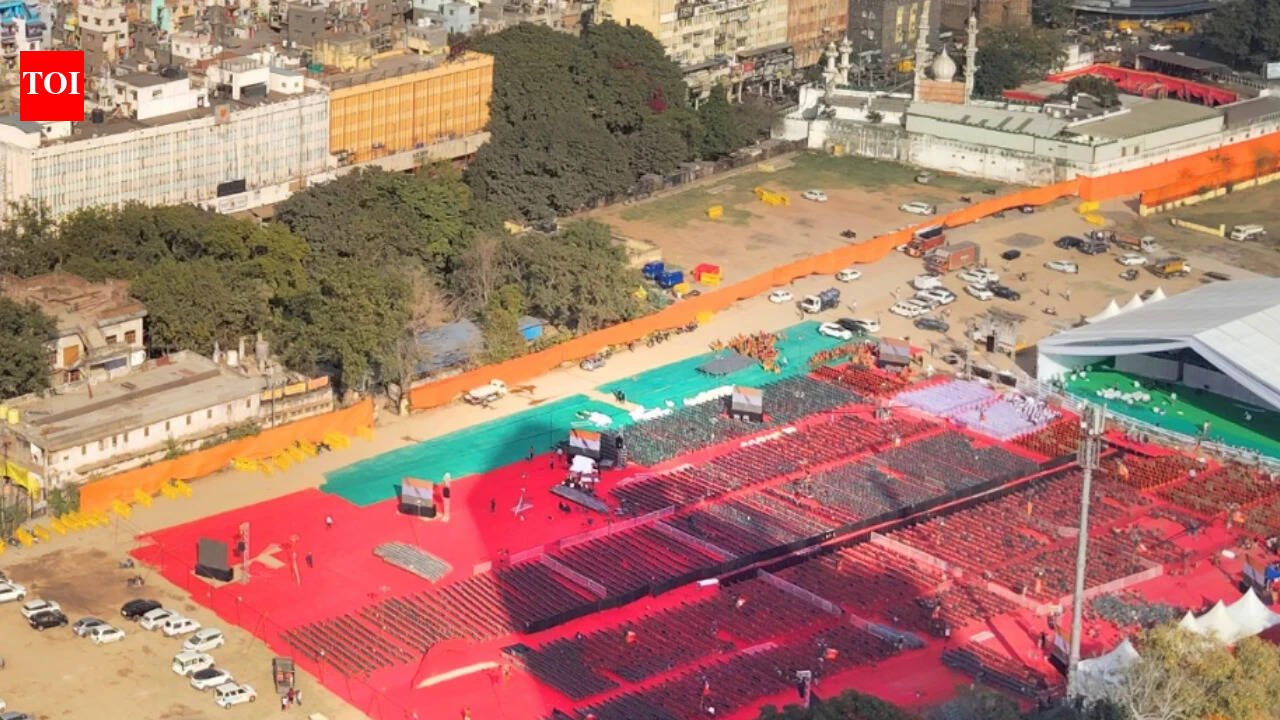
CJP Ultimatum Escalates Jantar Mantar Protest Clash With Delhi Police And Centre A view of Ramlila Maidan, designated as a protest site along with two news venues,. (PTI photo) The venue has a political legacy of its own: two major mass movements held there, decades apart, that became defining moments in the Congress’s political history.Two protests that changed Congress's fortunes Ramlila Maidan has been the stage for two major mass movements that challenged the Congress at crucial moments in its political history, decades apart.The first came on June 25, 1975, when socialist leader Jayaprakash Narayan addressed a massive rally at Ramlila Maidan against then Prime Minister Indira Gandhi's government, calling for resistance to the establishment.Jayaprakash Narayan addressed a massive rally at Ramlila Maidan.
That night, Gandhi imposed the Emergency, suspending civil liberties and triggering a crackdown on the Opposition.
The Congress lost the 1977 Lok Sabha election, its first defeat at the Centre, as the Janata Party came to power.More than three decades later, the ground witnessed another movement that put the Congress-led government under pressure.
In 2011, anti-corruption activist Anna Hazare launched a nationwide agitation demanding a strong Lokpal law.
The protest began at Jantar Mantar before moving to Ramlila Maidan, where Hazare staged a high-profile hunger strike that drew widespread public attention.Anna Hazare during the India Against Corruption (IAC) movement in 2011.
The agitation intensified the political pressure on the Congress-led United Progressive Alliance (UPA), already facing a series of corruption allegations.
It also helped create the momentum for the emergence of the Aam Aadmi Party (AAP), which went on to challenge both the Congress and the BJP in Delhi and fundamentally alter the capital's political contest.Separated by 36 years, the two movements cemented Ramlila Maidan's place in India's protest history, with each marking a significant challenge to a Congress-led establishment.History of Ramlila Maidan Ramlila Maidan is best known as a venue for the annual staging of Ramlila, the traditional enactment of the Ramayana.
According to historian Narayani Gupta, Ramlila was held on land near Ajmeri Gate as early as the 19th century.
Historian Sohail Hashmi has said the early celebrations were supported by the Khatri community.The ground acquired a wider public role after Independence, hosting large gatherings and events involving national and international leaders.Soviet leaders Nikita Khrushchev and Nikolai Bulganin visited in 1955, US President Dwight Eisenhower addressed a gathering there in 1959, and Queen Elizabeth II spoke at a public event in 1961.Over time, the ground became a venue for political rallies, mass meetings and demonstrations, cementing its place in the capital’s public life.How the protest site has shifted Jantar Mantar was not always the designated site.
The Boat Club lawns near Rajpath were used earlier, until a week-long farmers’ protest led by Mahendra Singh Tikait in 1988 raised security concerns.
By 1993, protests had moved to Jantar Mantar, which was close to Parliament but easier to police.In 2017, the National Green Tribunal banned protests at Jantar Mantar, citing environmental and civic issues, and named Ramlila Maidan, nearly four kilometres away, as the official venue for sit-ins.However, the Supreme Court, while setting aside a blanket ban on protests at Jantar Mantar in a 2018 ruling, had held that the right to peaceful protest could not be completely extinguished and that the competing rights of protesters and residents had to be balanced through regulation.The Court had accordingly directed authorities to permit limited and regulated use of the area.With the Delhi Police now de-notifying Jantar Mantar as a designated protest site and shifting demonstrations to three other venues, the question is whether the decision is legally sustainable in light of the Supreme Court’s ruling.Join conversation Share your thoughts in the comments Be respectful · TOI community guidelines The Supreme Court, in Mazdoor Kisan Shakti Sangathan v.
Union of India, was dealing with a 2017 order of the National Green Tribunal (NGT) which had directed authorities to immediately stop dharnas, protests, agitations, public speeches and other such activities at Jantar Mantar Road and shift protesters to an alternative site.Protest groups have since argued that greater distance from Parliament reduces the visibility of their demands.
Farmers who were denied permission even at Ramlila Maidan in 2020-21 camped instead at Delhi’s borders at Singhu, Tikri and Ghazipur.The latest order formalises a shift away from the central site, though it remains to be seen how the revised rules will affect where and how protests are held.