Minutes released from latest Reserve Bank meeting as Jim Chalmers says Myefo ‘will cut enough, but not too much’
Get our breaking news email, free app or daily news podcast
Reserve Bank board members who voted against this month’s official interest rate hike were worried about a “materially sharper downturn” in the economy, arguing the RBA should wait to see how higher borrowing costs would hit households.
Minutes from the two-day meeting revealed how three of the nine board members believed it was “prudent to leave more time” to see how the preceding four rate increases would flow through to the economy.
“They also placed somewhat less weight than the other members on the upside risks to inflation and somewhat more weight on the downside risks to economic growth,” the minutes read.
“These members expressed their concern that the economy might be near the point of entering a materially sharper downturn and pointed to the costs in terms of unemployment.”
‘Cut enough, but not too much’
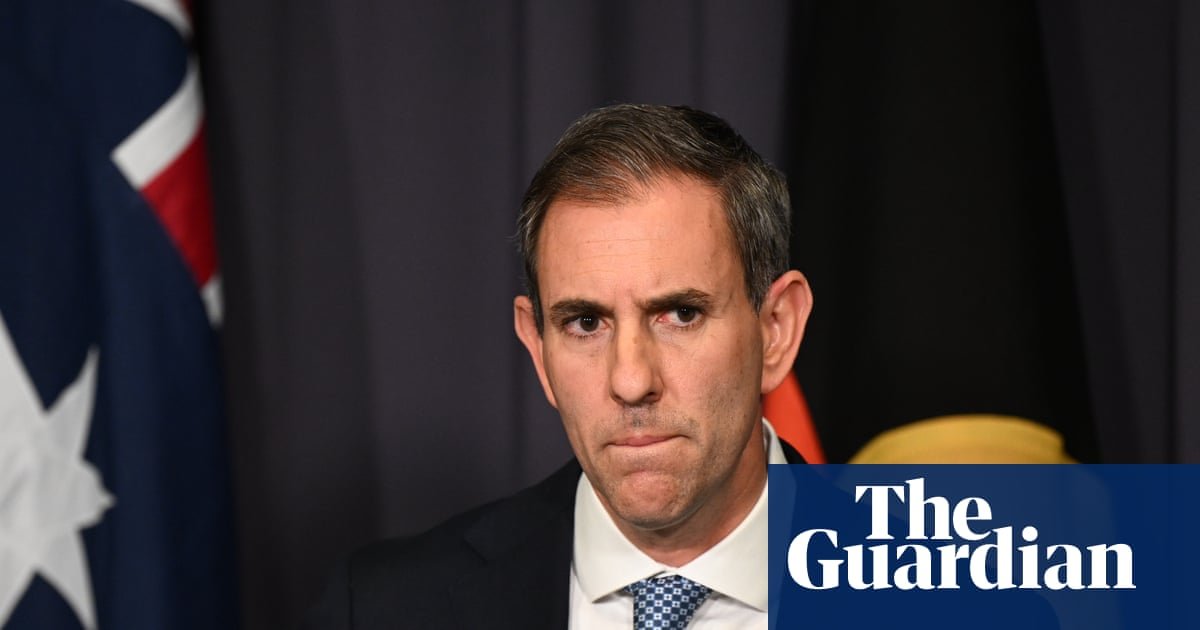
The dissenting view from the RBA’s monetary policy board came as the federal treasurer, Jim Chalmers, promised next month’s mid-year budget update “will cut enough, but not too much”, as he flagged “substantial savings” to help ease price pressures.
Chalmers said savings would be the budget update’s “main focus” amid “intensifying” spending pressures.
“We take seriously and embrace our responsibilities in the fight against inflation,” he said.
Inflation has been above 3% for most of the past five years, eating into Australians’ take-home pay, and is not expected to be back at the central bank’s 2.5% target until mid-2028.
Westpac economists on Tuesday said official figures next Wednesday would show consumer prices jumping to 4.8% in the year to October, from 4.3%, and to the highest since September 2023.
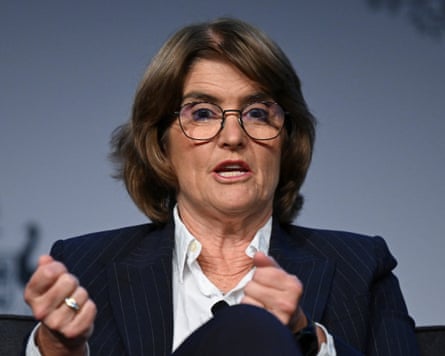
Despite growing concerns among some RBA board members that the central bank may inadvertently push the economy over the edge, the governor, Michele Bullock, on Tuesday said she remained more worried about persistently high inflation than rising unemployment.
In particular, Bullock warned that businesses were starting to treat rapid price rises as the “new normal”, raising the spectre of an increasingly entrenched inflationary mindset that could be difficult to shift without even more damaging rate hikes.
“They [businesses] are thinking: ‘You know what? Maybe three [or] 3.5% is the new normal for inflation’,” Bullock told the Australian Securities and Investment Commission forum in Sydney.
“If that gets ingrained … then it’s going to be much harder to bring inflation back down to target.”
Leah Weckert, the Coles chief executive, speaking at the Australian Securities and Investment Commission conference in Sydney, said that cost-conscious families were swapping to cheap protein sources such as mince or eggs, or skipping meat altogether.
“Mince is growing very strongly at every retailer I speak to at the moment, so spaghetti bolognese is alive and well as a family staple,” Weckert said.
The latest evidence of a split on the RBA board comes as Chalmers faces growing pressure to sell the government’s economic strategy to a stressed electorate coming into the summer holiday period.
In a speech at the Asic event, Chalmers said the December mid-year economic and fiscal outlook (Myefo) “will strike some fine balances”.
“It will cut enough, but not too much,” he said.
“It will help ease immediate capacity pressures without putting growth at risk, and make room for the responsible cost-of-living relief we’ve been rolling out without adding to price pressures.”
Amid plunging confidence among mortgaged households, the treasurer pointed to financial markets, which “seem to think rates have now peaked”.
“In contrast, rates are expected to continue climbing in every major advanced economy.”
In his speech Chalmers also announced that the Australian Taxation Office would begin consulting with the business sector on “modernising Australia’s business tax system”, which he said could save companies and sole traders tens of millions of dollars a year.
“We’ll immediately begin consulting on two specific options,” he said.
“First, reducing the burden on sole traders by pre-filling contractor income – saving an estimated 400,000 hours and $37m in costs each year. Second, simplifying the minor benefits rules in the FBT system, by scrapping complex and subjective assessments of small benefits below $300.”