Storm expected to move into southern California, with LA residents warned of potential evacuation orders
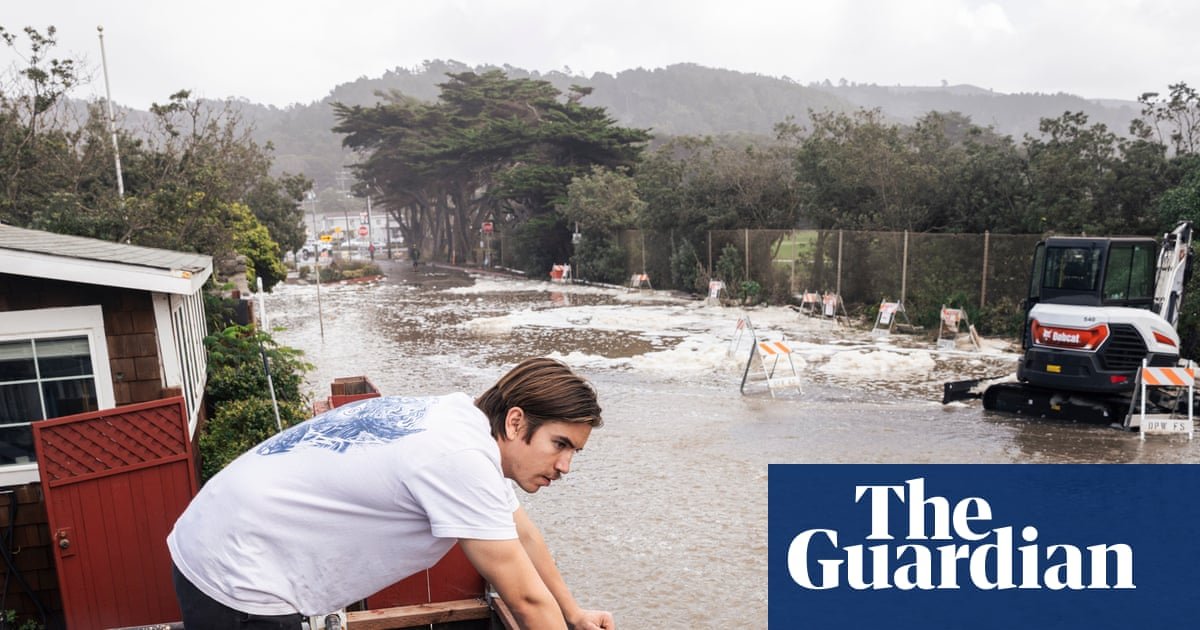
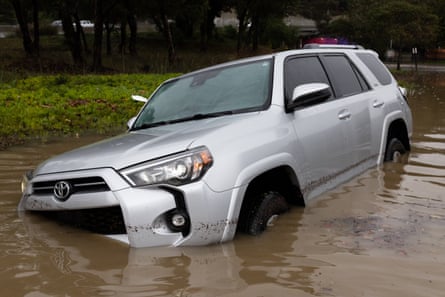
Heavy rain pounded California’s Bay area, with record rainfall in downtown San Francisco and flooding and power outages across the region, as an “atmospheric river” arrived on Wednesday and dumped precipitation across the state.
The storm was expected to move into southern California on Wednesday night and Thursday, with Los Angeles warning residents in mudslide-prone areas of potential evacuation orders to come. Southern Californians were also warned of potential coastal flooding, heavy surf, wave damage to coastal piers and parking lots and beach sand erosion. Heavy snow warnings were issued for higher elevations of the Sierra Mountains, including in the Greater Lake Tahoe area.
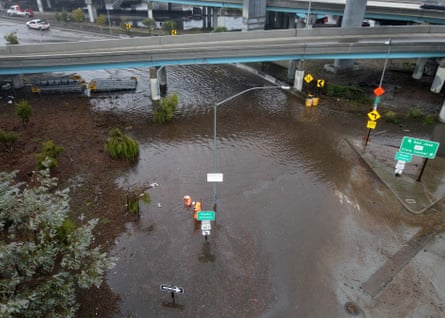
Downtown San Francisco saw the most rainfall before noon in 76 years, at 2.11in, surpassing a record from 1950, the San Francisco Chronicle reported. By 3pm, Wednesday’s daily total of 2.28in had broken the record for the most rainfall on 18 November, which was previously set in 1918, the National Weather Service reported. South of San Francisco, in Santa Clara, there was flooding and standing water on several highways.
In San Jose, the local fire department posted on social media that two vehicles with passengers inside had become stranded in the flooded streets downtown near the SAP Center, the city’s major events arena. The second passenger was being extricated via a boat rescue, the department wrote.
Daniel Lurie, the San Francisco mayor, warned city residents the region’s winter storm and flood season, supercharged by this year’s very strong El Niño weather, was just getting started.
Despite the Wednesday afternoon break in the rain, he posted on social media, “The storm should pick back up tonight, and more rain is in the forecast for next week.”
“When these heavy storms come, we expect flooding to return to many of the same areas that were impacted this morning,” he added.
“Today’s storm certainly gave the Bay Area a good assessment of our pain points for future storms this season,” Drew Tuma, a local meteorologist for ABC7 News, wrote on social media.
Street flooding in San Francisco left maintenance hole covers floating in one neighborhood of San Francisco, while the self-driving car company Waymo temporarily suspended service in the city, the Chronicle reported. One Waymo stalled in a flooded street and blocked traffic, ABC7 News reported.
An overwhelmed sewer stormwater system also appeared to result in several “sewage geysers”, one reportedly 15-ft tall, the Chronicle reported, sharing bystander footage of the spew in the city’s Ocean Beach neighborhood.
Thousands across the Bay area were dealing with storm-related power outages by Wednesday afternoon, according to a customer outage map from Pacific Gas & Electric, the major utility company for much of northern California.
In Monterey, south of San Francisco, the local aquarium posted on social media that “storms and massive waves are causing a surge of sea otter strandings this week in Monterey Bay” and that their staff “safely rescued several pups” after receiving calls from local community members.
Areas of the state still recovering from recent wildfires continue to be at risk for flash flooding, with specific warnings issued for “burn scar” areas including in Big Sur and the Napa valley.
In Los Angeles, city officials warned residents of areas burned by the 2025 Palisades, Sunset and Hurst fires, north of the city, to be prepared for potential evacuation orders starting on Wednesday night, as heavy rains brought increased risk of flooding, mudslide and debris flow.
Statewide, the heaviest of the rainfall was expected north-east of San Francisco, from Santa Rosa to Chico and Redding in the state’s Central valley, and in the southern part of the Bay Area, along coastal mountain ranges from Santa Cruz to San Jose and Palo Alto, according to the National Weather Service.
“Travel delays, localized flooding and hazardous conditions are possible, especially along the coast and on mountain pass roads,” AccuWeather warned in an online forecast.
Atmospheric rivers, massive currents of water vapor that can carry as much or even more water than an actual river, have been growing stronger and deadlier in recent years. In the relatively dry western US, atmospheric river storms provide both essential precipitation and flood risk.
In southern California, the NWS predicted 1-3in of rain in many areas, with 3in-5in in some mountain and foothill areas, and a 20% chance of thunderstorms on Wednesday and Thursday. As much as a foot of snow was expected in higher-elevation areas above 6,000ft. There was a high risk of “significant road flooding” and a moderate risk for rockslides and mudslides, the NWS said.
The risk of coastal wave damage was expected to peak in southern California on Thursday, with additional risks expected next week, with seasonal high tides overlapping with storm risks during Thanksgiving week.
Waterspouts were spotted over the San Francisco Bay earlier this week, and the NWS flagged the risk of additional waterspouts over the ocean east of San Francisco on Wednesday.