A Russian military court has sentenced an IT specialist to 13 years in prison for financing “terrorism” after the cryptocurrency exchange Binance gave Russian investigators details of his donations to Ukrainian fundraising campaigns.
The 2nd Western District Military Court on Monday convicted 49-year-old Yuri Belenkiy and sentenced him to three years in prison followed by 10 years in a strict-regime penal colony, according to a court statement.
Recommended Stories
list 1 of 3Russia strikes Kyiv ahead of localised ceasefire in Oleshky
list 2 of 3Melania or the pope: Who brokered Russia-Ukraine ceasefire in Oleshky?
list 3 of 3Russia targets Kyiv as Finnish, Norwegian leaders hold rare call with Putin
Russian state news agency TASS reported that Belenkiy is a former IT director of the company DiHouse and that prosecutors had asked for 14 years. He was also fined 500,000 roubles ($6,300).
Belenkiy, who holds a Bulgarian residence permit, was detained in September last year when he flew to Moscow for a visit. He denied the charges, and his defence will appeal the verdict, according to TASS.
According to the RIA Novosti news agency, the court found that between August 2022 and March 2024, Belenkiy made 15 cryptocurrency transfers worth more than 120,000 roubles ($1,500) to fund Ukraine’s armed forces and the Azov battalion, which Russia designates a “terrorist” organisation. He used payment details posted by Arkady Babchenko, an exiled Russian journalist and Kremlin critic. RIA added that Belenkiy is on the Russian financial monitoring agency’s list of “terrorists and extremists”.
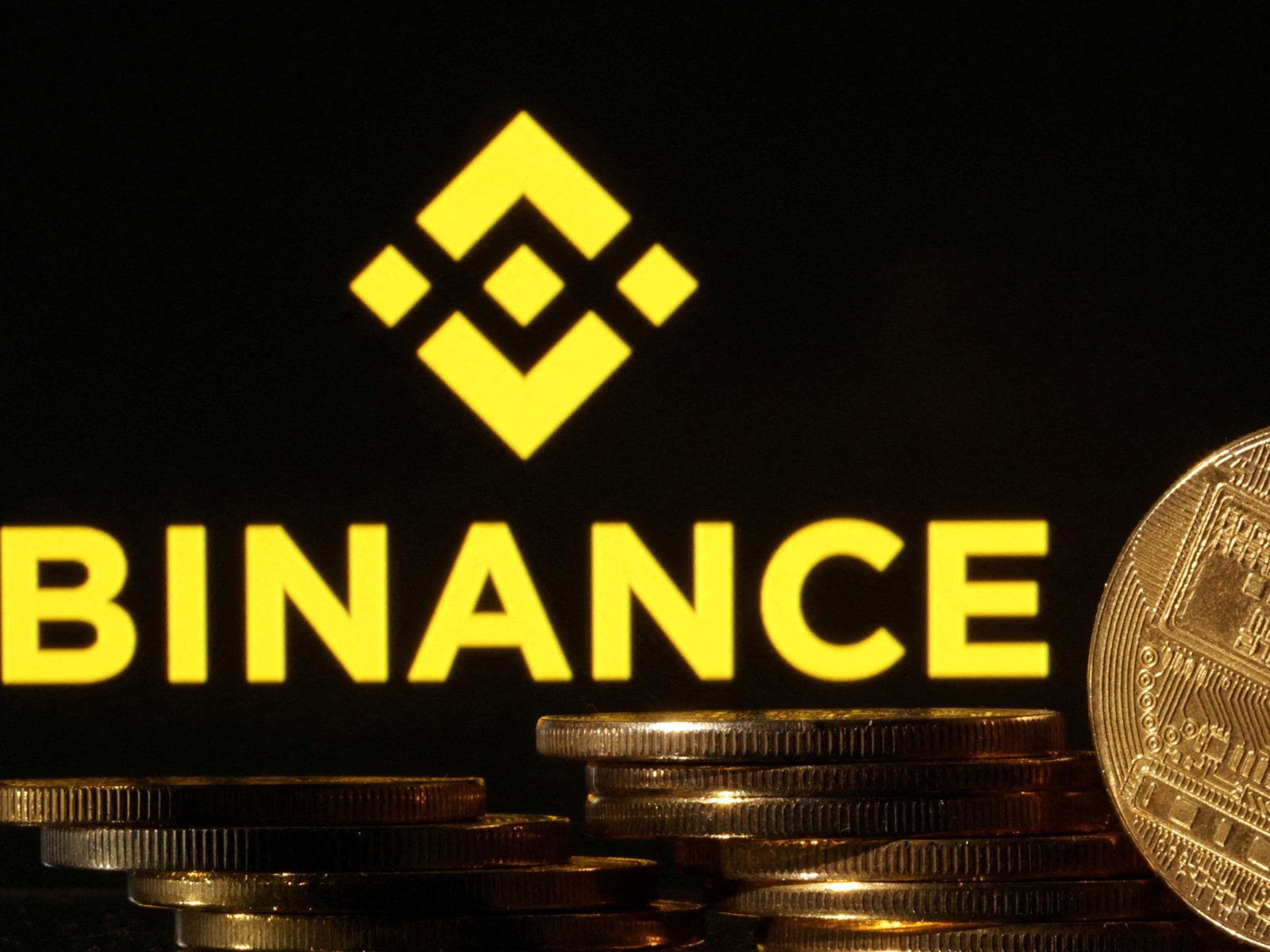
Russian law enforcement documents seen by the Reuters news agency showed that Binance gave investigators Belenkiy’s transaction history in response to a Russian request. The documents also showed that the records were instrumental in prosecuting him.
“The response from Binance serves as key evidence in the criminal case against Belenkiy,” Yevgeny Smirnov, a lawyer with the rights group First Department, which assists people facing politically motivated prosecutions in Russia, told Reuters.
In court, however, the defence questioned whether the data really came from Binance, noting that the exchange has not cooperated with Russia since 2022, TASS reported.
Asked about the sentence, Binance referred Reuters to a previous statement saying the exchange “does not make or enforce the laws of any jurisdiction, determine charges, or decide how any government uses information in legal proceedings”. It said it does not comment on confidential law enforcement requests or individual cases.
Binance pulled out of the Russian market in 2023, after Moscow’s full-scale invasion of Ukraine and Western sanctions that followed. Mike Bystrov, a lawyer specialising in crypto regulation, told Reuters in August that the exchange had been under no obligation to provide Belenkiy’s data. Because of Belenkiy’s Bulgarian residency, Bystrov said, Binance may in fact have been obliged under European Union data protection law not to do so.
First Department claimed in a recent report that about 10 percent of all charges brought under the country’s treason and espionage laws in 2025 were linked to donations to Ukrainian organisations. The group said authorities track cryptocurrency transfers as well as bank payments, and continue to open cases over donations made as early as 2022.