Supermarket has lifted sales with Aldi price match, and has benefited from hot weather and World Cup matches
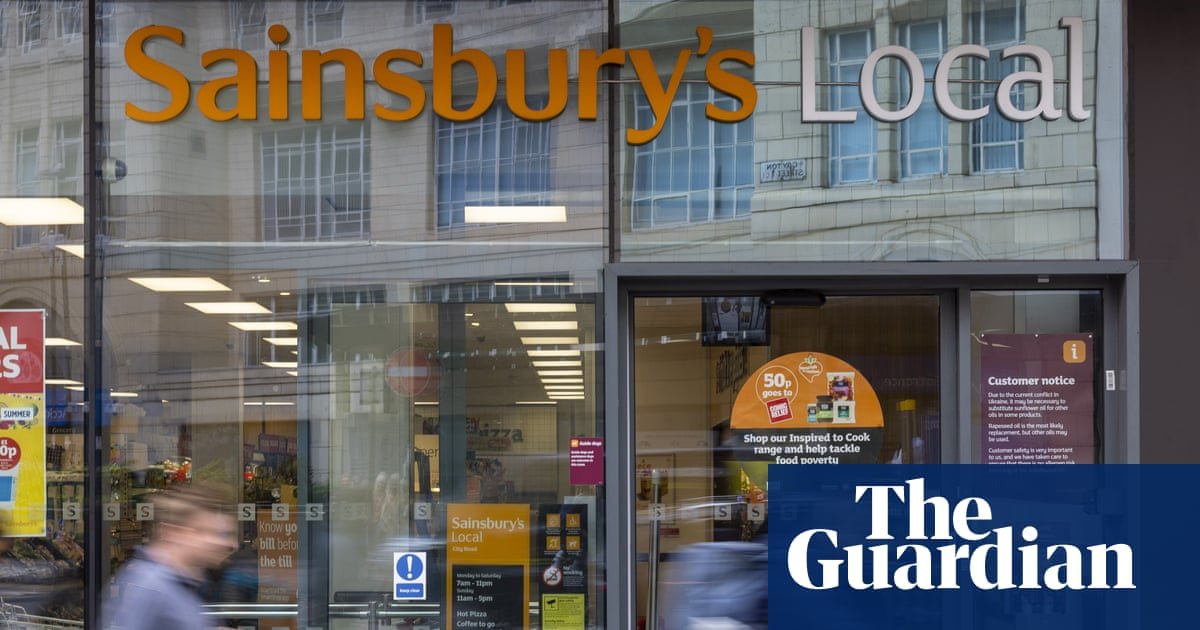
Grocery inflation in the UK has not been as bad as feared so far, the boss of Sainsbury’s has said, but “pressure in the system” remains as the industry hopes for a swift resolution to the Middle East conflict.
Simon Roberts, the chief executive of the UK’s second-largest supermarket, said it was still early in the year and there was “still uncertainty where inflation will go”, but suggested it could come in well below the Food and Drink Federation’s initial prediction of at least 9% by December.
Despite warnings of a likely jump in the pace of price driven by the strait of Hormuz blockade of energy and fertiliser shipping, food inflation has actually eased in recent months.
Shop price inflation was unchanged in June, the British Retail Consortium said on Tuesday, remaining at 1.2% year on year – the same level as in May.
Sainsbury’s, which also owns Habitat and Argos, said it had gained market share as shoppers continued to seek ways to save money amid pressure on household budgets.
Sales rose 2.7% to £9.1bn in the three months to 20 June, with grocery sales up by a better than expected 3.6% as Sainsbury’s matched prices on hundreds of products to those at its cut-price rival Aldi.
Sales at Argos fell 0.5%, despite the amount of products being sold increasing by 2.2%, due to discounting and a shift towards lower-priced items amid lacklustre consumer sentiment caused by the Middle East conflict and concern about inflation and jobs.
Roberts said customers were being “much more cautious” on non-food purchases and the market was “more subdued and more promotional” than on groceries. While the volume of products sold rose – with large TVs, fans, toys and paddling pools doing particularly well during the warm weather in May and before the World Cup – sales of expensive items such as furniture struggled.
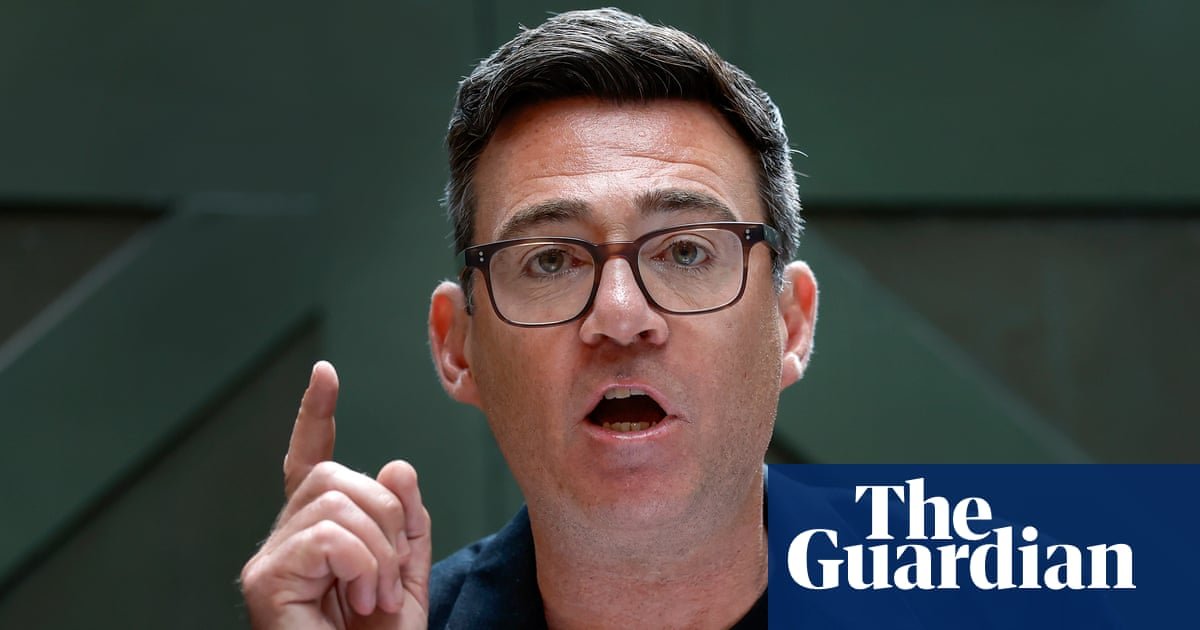
He said Sainsbury’s would like to see the likely next prime minister, Andy Burnham, introduce “policies that can support confidence and optimism” among shoppers, reiterating calls for action to reduce the cost of energy for food producers and support to increase hiring, especially of young people.
“We have seen a lot of regulatory cost coming to this industry in the last couple of years and I would like to see a real focus on growth,” Roberts said.
Sainsbury’s had enjoyed a “really exceptional week” during the hot weather and World Cup fixtures for England and Scotland last week, he added, with “a lot of demand” for fresh fruit, barbecue items and deli foods and the retailer’s “biggest ever” week on ice-cream, pizza and salads.
Sales via rapid delivery also shot up, as households ordered in while watching the football and avoiding battling the extreme heat.
Another heatwave is expected to increase sales again next week and Roberts said staff and suppliers had been “working around the clock” to ensure the chain’s fridges could cope with the high temperatures. He said Sainsbury’s was investing “hundreds of millions of pounds” in new refrigeration kit, with about 100 stores getting upgrades.
The company is also installing facial recognition technology to spot frequent shoplifters. This is will be added to 100 more stores, after a trial in 55 outlets resulted in 90% of identified offenders staying away.
In its previous update in April, Sainsbury’s received a tepid response from shareholders after indicating that profits were likely to remain roughly steady in the current financial year.
Shares rose 2.4% on Tuesday after slipping back in recent months amid worries about the uncertain consumer backdrop.
Earlier this month, bosses at Tesco said sentiment among shoppers had been affected by the conflict in the Middle East but said the war had not yet led to higher prices.
Ken Murphy, the chief executive of the UK’s biggest retailer, said the hotter weather was expected to have more impact on grocery sales than home nation World Cup wins.