Samsung isn’t done launching new flagship devices yet. The company unveiled its Galaxy S26 lineup back in February this year and now it’s time for the foldables. Up until now, Samsung has been unveiling two foldable devices as a part of its lineup every year. This includes the Galaxy Z Fold and the Galaxy Z Flip. But this will change in 2026 as the company is expected to add a third foldable smartphone to the Galaxy Z lineup with a slightly different form factor.

What is Samsung saying about its new foldable phone?
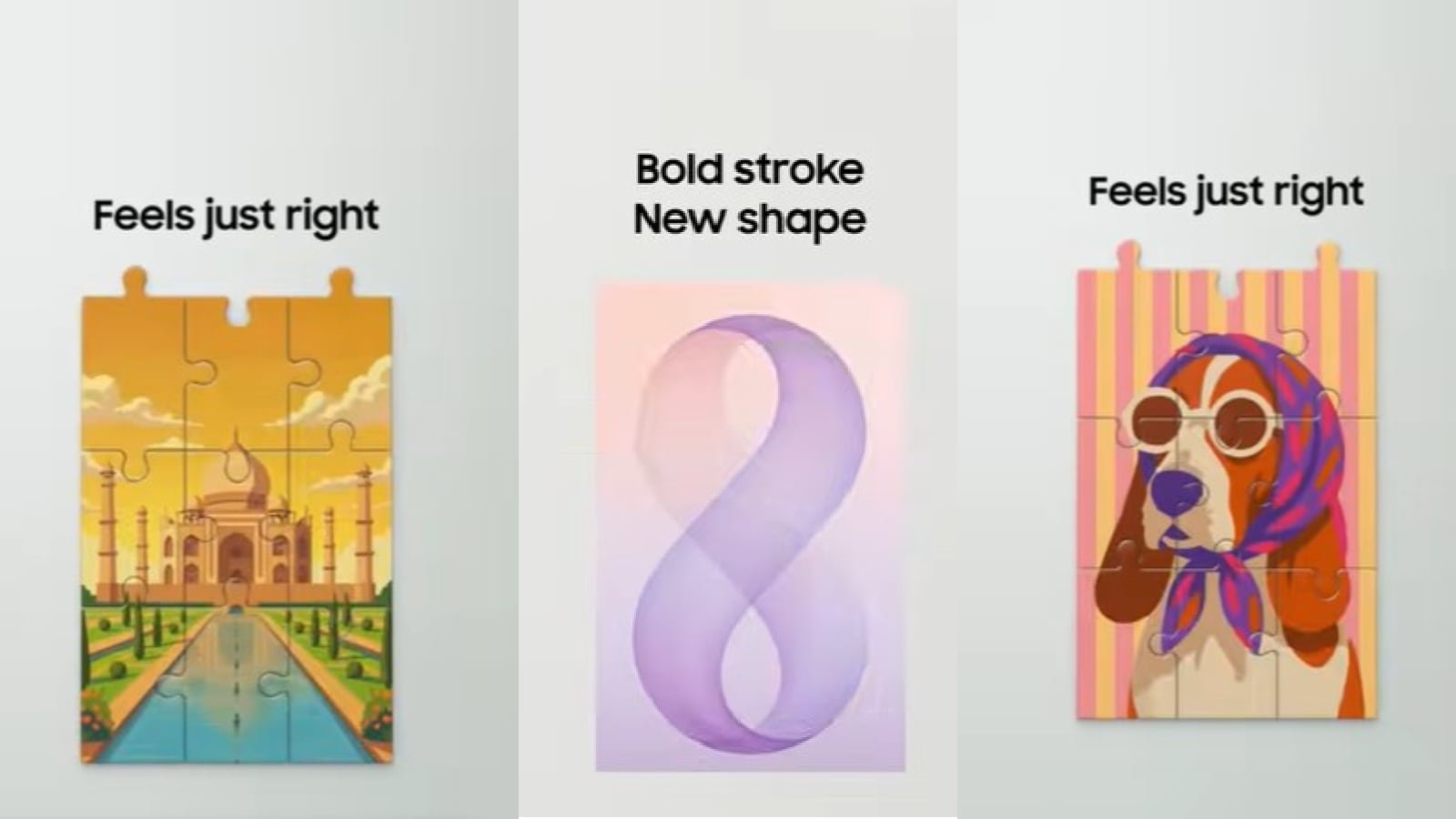
In the past couple of months, the internet has been buzzing about how this third Galaxy Z series smartphone would look like. Recently, the company confirmed that it will indeed launch a new foldable smartphone that will look unlike its existing Flip and Fold devices. Here’s what Samsung teased on its social media pages:


The image indicates that Samsung’s upcoming foldable smartphone will come with a slightly wider form factor, which is unlike its existing Galaxy Z Fold lineup. In essence, it will look like Microsoft’s now forgotten foldable phone - the Microsoft Surface Duo - albeit in a true foldable form. Beyond that, Samsung has remained tight-lipped about its upcoming foldable lineup so far.
What are rumours saying about Samsung’s new foldable phone?
While Samsung has divulged no details about its mysterious new foldable phone so far, reports have given us more than enough to chew on.
As per reports, Samsung’s mysterious new foldable phone will be called the 'Galaxy Z Fold 8'. The Galaxy Z Fold 7, on the other hand, will be succeeded by the 'Galaxy Fold 9 Ultra', which will feature a sleek form factor when folded. The Galaxy Z Fold 8 will feature a wider screen when unfolded and it will be shorter and wider than the Galaxy Z Fold 7. Simply put, it will look like a tablet folded in half with a 4:3 aspect ratio. But it is expected to get a sleek Armor Aluminum frame along with Gorilla Glass Victus 2 and IP48 dust and water resistance for durability.
On the display front, this new smartphone is expected to offer a 5.4-inch bezel-less cover display and a 7.6-inch inner display when unfolded. Both the screens are expected to use LTPO OLED screens with a 120Hz screen refresh rate and up to 2,600 nits of screen brightness. Coming to the cameras, it is tipped to get a dual-rear-camera setup at the back with a 50MP primary camera and a 50MP ultra-wide camera. It is also tipped to get a 10MP front-facing camera on the inside and on the cover display.
This new foldable device is expected to be powered by Qualcomm's latest Snapdragon 8 Elite Gen 5 chipset and likely be paired with 12GB or 16GB of RAM and come with 256GB, 512GB and 1TB storage options.
Tipster Ice Universe has given us a clearer picture of how the upcoming Galaxy Z Fold 8 could look like. The tipster has also revealed that the phone could be available in lilac, white, black and blue colour variants. Take a peek: (X Link)

What about expected pricing and launch date?
Reports suggest that the upcoming Samsung Galaxy Z Fold 8 could be priced around $1,800 ( ₹1.72 lakhs approx.) to $1,900 ( ₹1.81 lakhs approx.) and the entire foldable series could arrive globally on July 22, 2026.
Which brings us to an important question: why have a third foldable phone?
Before we dwell into that, it’s important to note that this massive change in Samsung’s foldable phones’ lineup is coming at a critical time. The sale of foldable display phones is steadily increasing in the market and so is their market share. One report by IDC released earlier this year that the global foldable smartphone market is expected to grow by 30% year-on-year in 2026, while a report by Counterpoint said that the global foldable smartphone shipments are expected to grow 20% in 2026 with Samsung controlling a majority stake.
While their numbers may vary, both the reports agree on the fact that Apple's entry in the foldable phone market is expected to play a major role in boosting the overall sales globally. "The launch of Apple’s first foldable iPhone will mark a turning point for the foldable segment...This move is likely to boost category awareness and drive consumer interest," Francisco Jeronimo, vice president of client devices at IDC in his report last year. Similarly, the Counterpoint report said that Apple is expected to capture 28% of the foldable market share upon its entry in 2026, which is expected to be closer to Samsung’s 31% share.
With the entry of its new notebook-style foldable smartphone, Samsung is hoping to achieve two things – first it’s hoping to further solidify its place in the global foldable market and project its Galaxy Z Fold series smartphones as the ultimate premium flagship devices - the kind that stacked above the Pro Maxes and Ultras of the world, and second, it’s gearing to compete with Apple, which is finally expected to launch its first ever foldable display iPhone – iPhone Fold, iPhone Ultra or iPhone Ultra Fold (or whatever else it’s being called - that is launching later this year.
As far as the design is concerned, beyond the clamshell-style design of the Galaxy Z Flip phones, Galaxy Z Fold 8’s tipped notebook-style is the only one that makes more sense - at least in the way most phones are used. The clamshell-style design makes the existing smartphones more compact. However, the existing Z Fold phones give you extra real-estate when you need to check content on a slightly bigger screen. For all practical purposes, most users can do most of their daily tasks, such as using WhatsApp and Instagram, calling people or answering calls, playing songs in a streaming app and even going through emails, without unfolding the smartphone. But they still can’t use it as a replacement for a mini tablet. This is the gap, which I feel the upcoming note-book style form factor could fill in. It will give people who are looking for a device to enhance their overall productivity and who don’t want to carry two devices, a truly viable alternative.
Sure, it won’t be a replacement for the massive 13-inch iPad Pro or a 14.5-inch Galaxy Tab S Ultra, but that’s not what it’s hoping to be. It won’t replace laptops either. But it will give users absolute clarity as to when they truly need a high-performance tablet and when a giant-display smartphone can be enough for most of their productivity needs.