Environmental groups renew calls for windfall tax to support households following Q2 earnings rise to $9.84bn
Shell more than doubled its profit in its second quarter of the year, as Europe’s biggest oil and gas company reaped the benefits from the jump in oil and gas prices triggered by war in the Middle East.
The FTSE 100 company’s net profit hit $9.84bn (£7.4bn) in the three months ended in June, more than double compared with the same period last year.
The surge in profit comes as wholesale energy prices have soared because of the conflict in the Middle East, boosting profit margins and activity on Shell’s trading desks.
The global oil price has climbed from about $61 a barrel in January to highs of $126 at the end of April, owing to disruptions to flows of oil and gas through the strait of Hormuz. Brent crude, the international benchmark, traded at $93.18 a barrel on Thursday.
Wael Sawan, Shell’s chief executive, said there had been “severe disruption in global energy markets” due to the war, as the company also reported a 30% drop in production from its integrated gas division on the same quarter last year.
The fall in production follows a strike that damaged its assets at the Ras Laffan liquefied natural gas (LNG) complex in Qatar in March. Repairs to the plant are expected to take about a year.
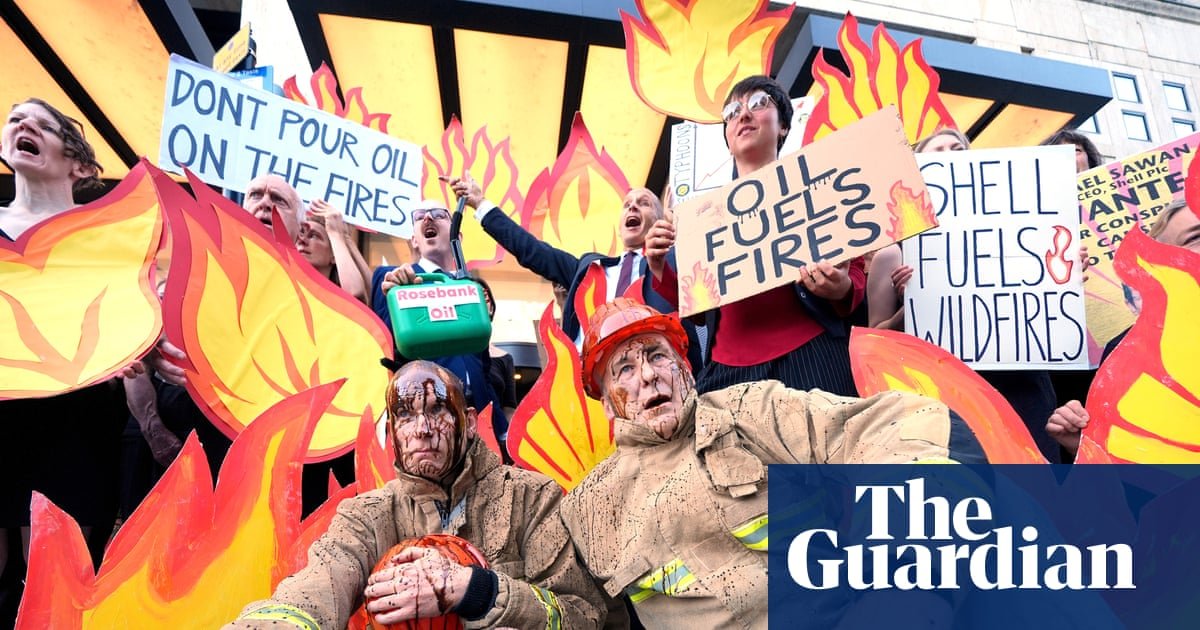
Shell’s surging profits reignited calls from environmental campaigners for taxes to fund support for the households hardest hit by the rise in energy costs.
Ruby Schulkind, a political campaigner at Greenpeace, said the environmental group was “running out of words to describe the obscenity” of huge profits at Shell.
“Europe is engulfed by apocalyptic wildfires, communities across Asia are reeling from devastating floods, and the UK battles through drought and yet more dangerous heat,” she said.
“These aren’t anomalies, they’re the defining story of the fossil fuel age: Shell takes the profits, and the rest of us pick up the catastrophic bill.”
She called on the government to implement a windfall tax on big oil companies and to use the revenue “to help households with the cost of living, strengthen our resilience against extreme weather, and supercharge the transition to clean, affordable energy”.