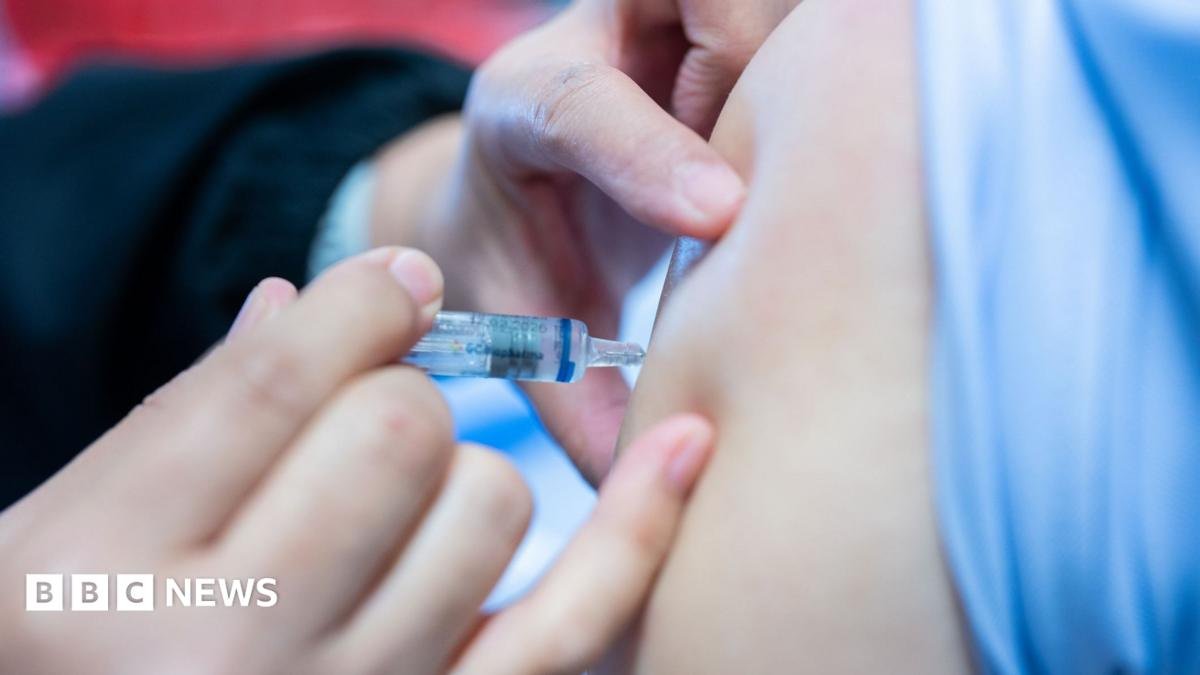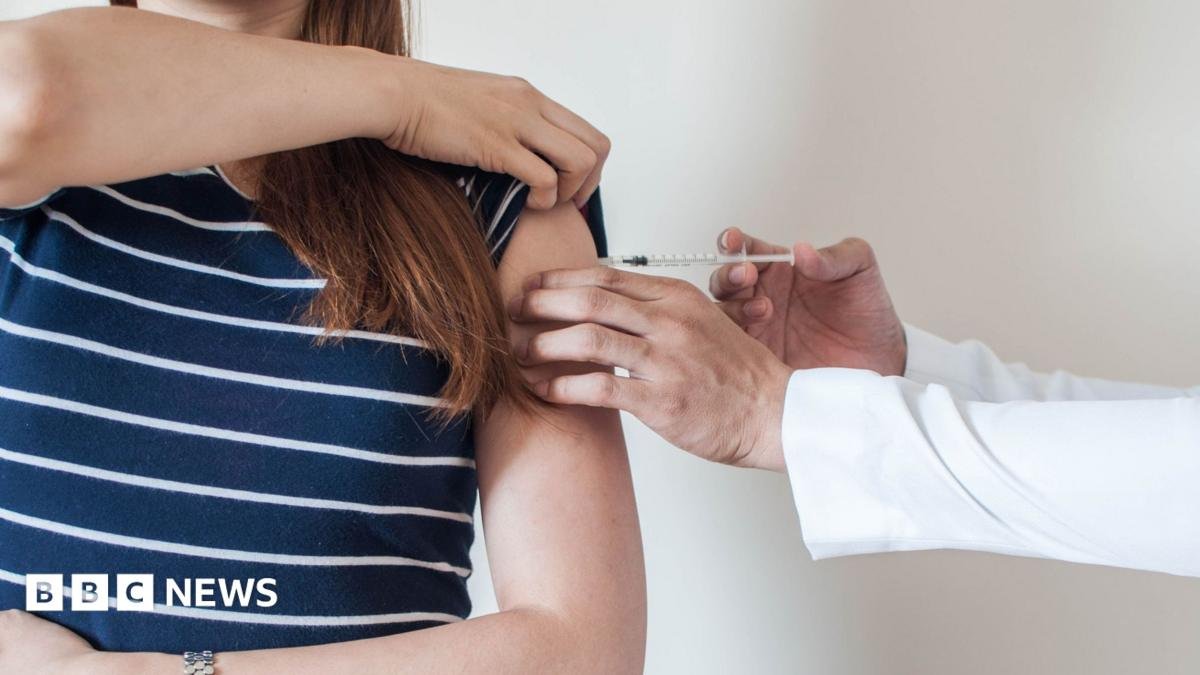
Published 1 minute ago Health officials are urging more people to take up the offer of a free flu vaccine as the number of hospital patients seriously ill with the virus has risen sharply in the past week.
The flu surge has come slightly early this year but that is not completely unusual.
Flu activity is still at "moderate levels" and the peak may not arrive until December or early January, health officials warn.
So what is the advice on getting a vaccine, who can get it for free and who should pay?
How effective is the flu vaccine?
"If you're offered it, it's a good idea to have it," says Prof Nick Hopkinson, professor of respiratory medicine at Imperial College London.
"The main reason is to avoid serious complications in vulnerable groups – so as many as possible should have it in those groups.
"People don't understand it's a potentially life-threatening infection and that the vaccine is safe." Flu is a viral infection which affects the nose, throat and lungs.
Often it goes away on its own but it can make people seriously ill – complications can include pneumonia, heart attacks and other underlying illnesses getting worse.
It can also kill.
In England last winter, UKHSA estimated there were 3,798 deaths attributed to influenza.
Scientists have to predict which strains of influenza will be circulating before the vaccine is manufactured each year in time for winter.
The current one protects against three strains – two influenza A strains and one influenza B strain.
Even if these strains drift slightly, experts say getting vaccinated is still a good idea to lower the risk of severe illness.
Who is currently missing out?
Millions of vulnerable people are eligible for the free jab to help protect them against flu, including children, pregnant women, care home residents, people with lung conditions and anyone aged 65 and over.
But only around a third of under-65s and two-thirds of those aged 65 and over have been vaccinated so far this winter.
That leaves around seven million people unprotected at present, health officials say.
Parents are being urged to vaccinate young children in order to protect them and other people they come into contact with.
Can I still get flu if I've been vaccinated?
Yes.
The vaccine does not rule out the possibility you will get flu, but it does reduce the chances you'll become very ill with it and end up in hospital.
It takes two weeks for your body's immunity to build up after being vaccinated, which is another reason to have the jab sooner rather than later.
Protection from the vaccine reduces the risk of serious flu complications by 50%, says Prof Hopkinson.
If I'm young and healthy, do I need it?
If you are not eligible for the free flu vaccine, you can still buy it from most pharmacies for between £15 and 25.
"It's a reasonable thing to consider," says Prof Hopkinson.
But it is far more important for the millions of vulnerable people offered it free to be vaccinated.
They are known to be at risk of health complications from the virus.
Other groups are also at risk: "Smokers are five times more likely to get flu – so quit now," he suggests.
Am I depriving someone else if I buy the jab?
Simply put, no.
There are different vaccines for those getting it free on the NHS and those paying for it privately.
However, the vaccines do the same job and protect against the same strains of flu.
Pharmacist Olivier Picard says he's seen a "massive spike in demand" for flu jabs in the last 24 hours.
More people are booking an appointment for a free vaccine they have already been reminded about, and others are asking about paying for it themselves.
"When it gets cold, people tend to wake up to getting the free jab and want it before Christmas," he says.
He says there is no issue with supplies of the vaccine at present and "plenty in the system".