Published on: Aug 31, 2026, 18:02:36 IST By HT News Desk Prefer HTon Google Share via Copy link Six months into the US-Iran war, the conflict appears to have moved far beyond its original military and nuclear objectives.
What began as an effort to curb Iran’s nuclear ambitions, missile programme and regional proxy network has instead evolved into a wider contest over control of sea lanes, energy flows and the credibility of American power in West Asia.
The immediate picture, according to Shishir Gupta, is one of continuing Iranian military resilience despite sustained American operations.
In a conversation with Senior Anchor Aayesha Varma on Point Blank, Hindustan Times Executive Editor Shishir Gupta described the conflict as a strategic stalemate with consequences reaching from the Strait of Hormuz to the Red Sea, from Ukraine to the Indo-Pacific - and with India’s energy, shipping and regional connectivity interests increasingly at stake.
A war without a decisive outcome The immediate picture, according to Gupta, is one of continuing Iranian military resilience despite sustained American operations.
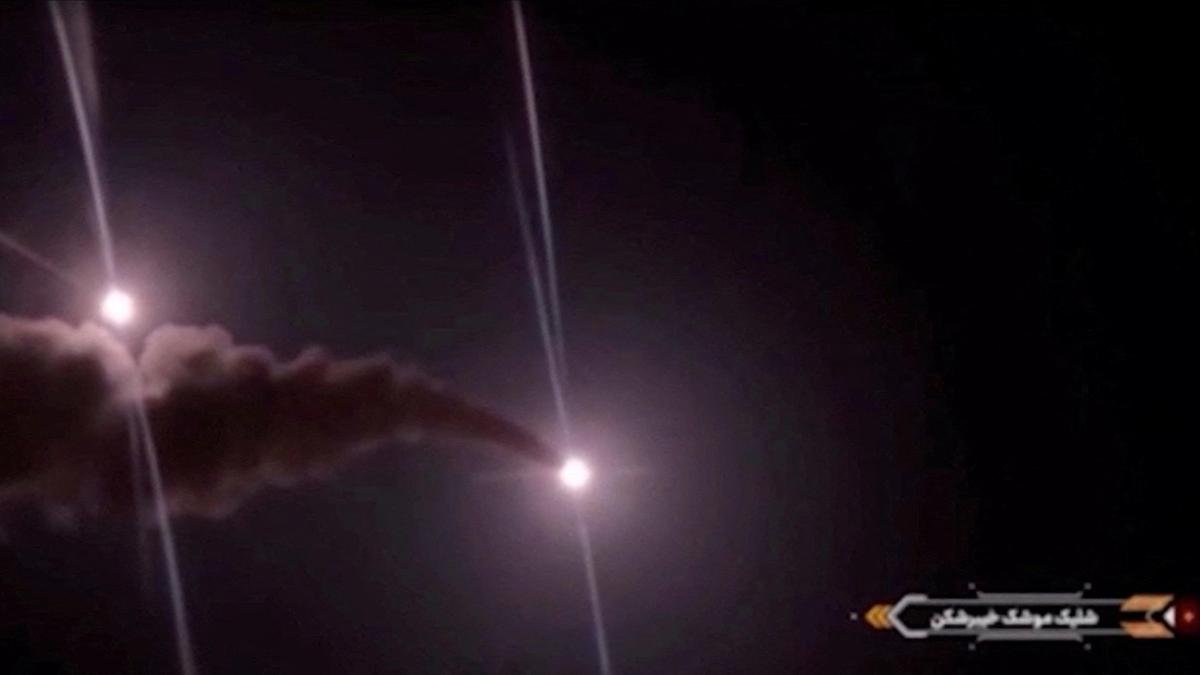
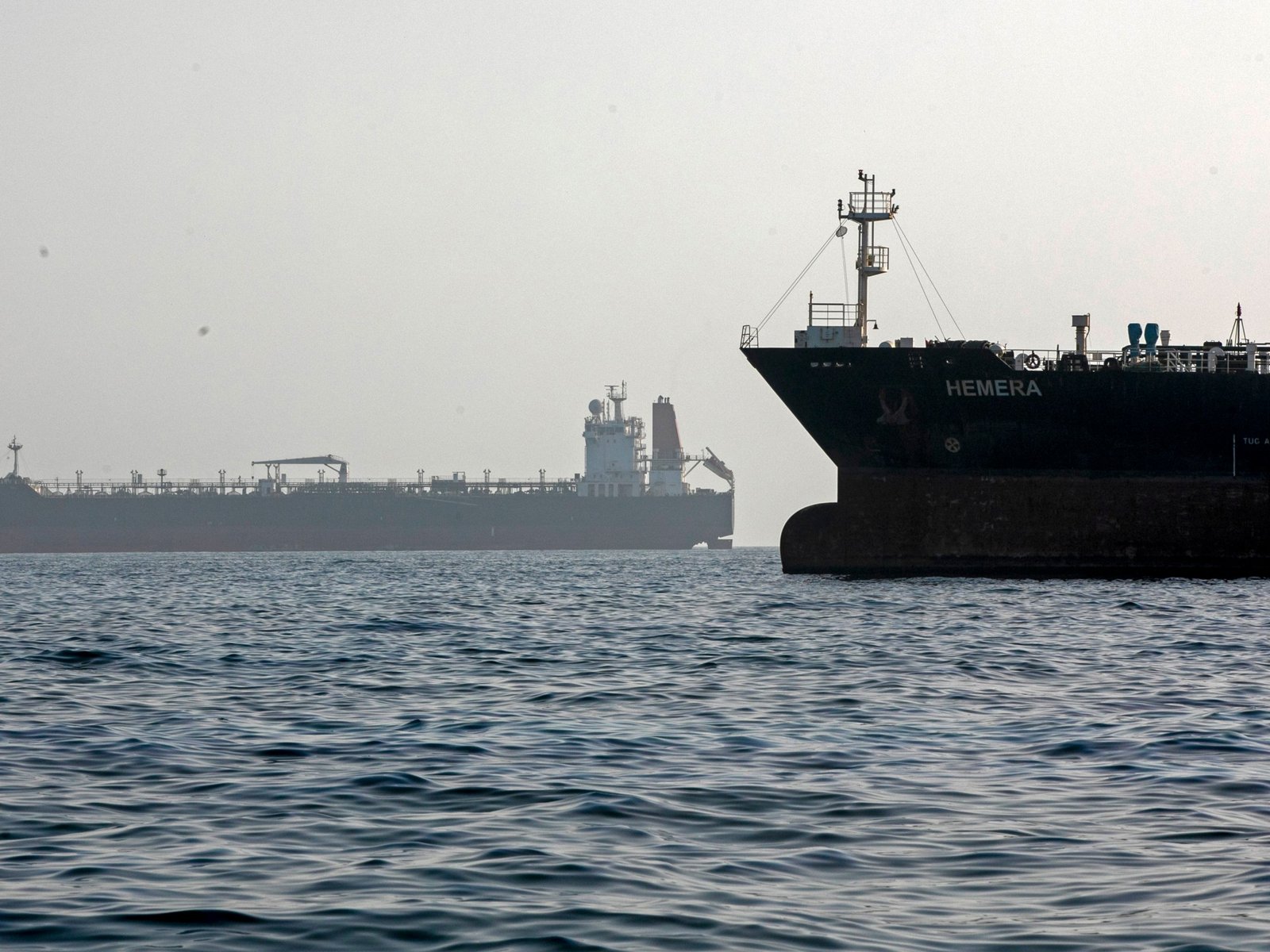
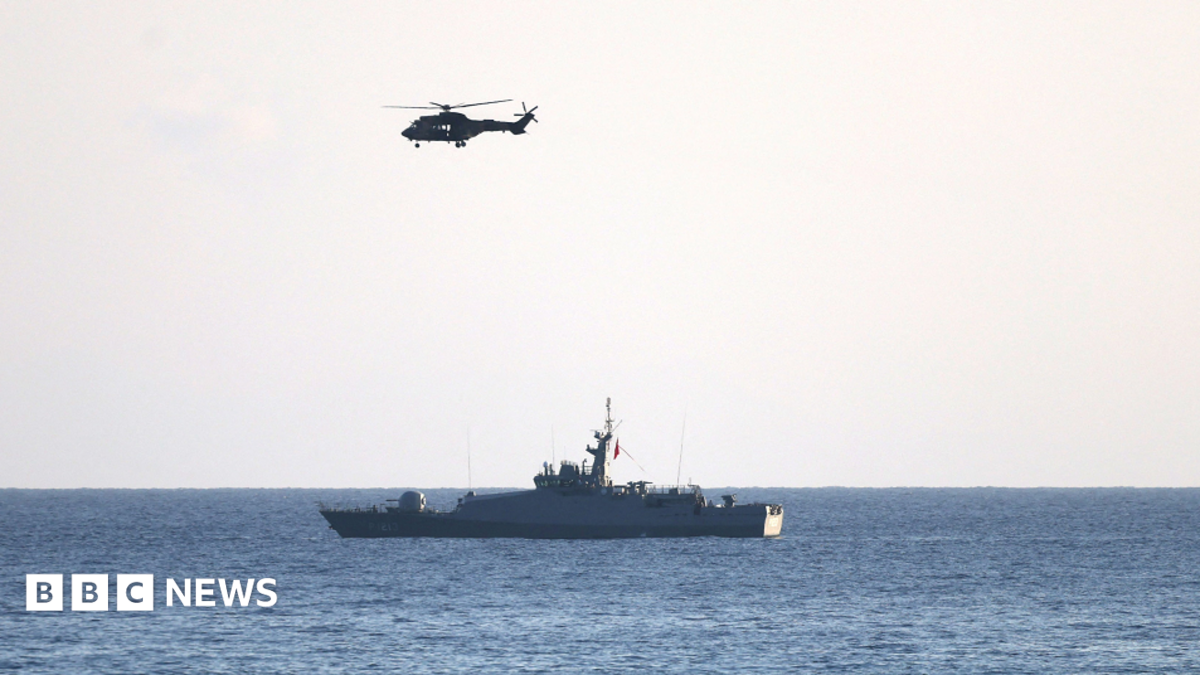
The recent sequence of attacks - beginning with an Iranian projectile hitting an Omani tanker transiting the Strait of Hormuz, followed by US strikes on Iranian missile launchers on Larak Island and an Iranian attack on an air base in Jordan - underlines that Tehran retains the ability to impose costs on its adversaries.
Iran, he argued, continues to possess intermediate-range missiles capable of reaching targets roughly 1,500 to 2,000 kilometres away.
It is also believed to retain the capacity to threaten maritime movement through mining operations and missile attacks in and around the Strait of Hormuz.
That ability matters because even limited disruption can have an outsized economic impact: a single attack on commercial vessels can raise insurance premiums, force rerouting and amplify fears in global energy markets.
The Islamic Revolutionary Guard Corps and the Quds Force continue to operate, while Tehran’s network of regional partners and armed groups remains active across West Asia.
In Gupta’s assessment, the failure to produce a regime-changing outcome means that Iran has neither capitulated nor abandoned its core strategic posture.
For Washington, this creates a difficult question: after major military expenditure and sustained pressure, have the original objectives been achieved?
Gupta’s answer is blunt.
Iran has not visibly relinquished its nuclear ambitions, sharply curtailed its ballistic-missile capabilities or severed support for allied armed groups across the region.
The conflict, therefore, risks being seen not as a decisive demonstration of US power but as evidence of its limits in confronting a deeply entrenched adversary.
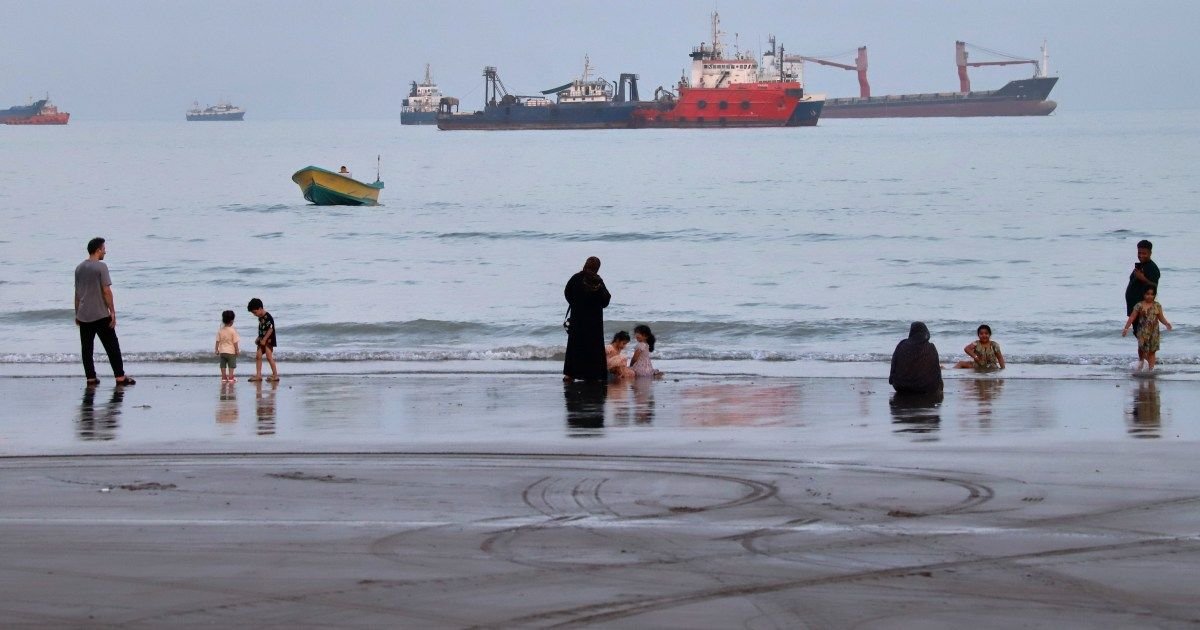
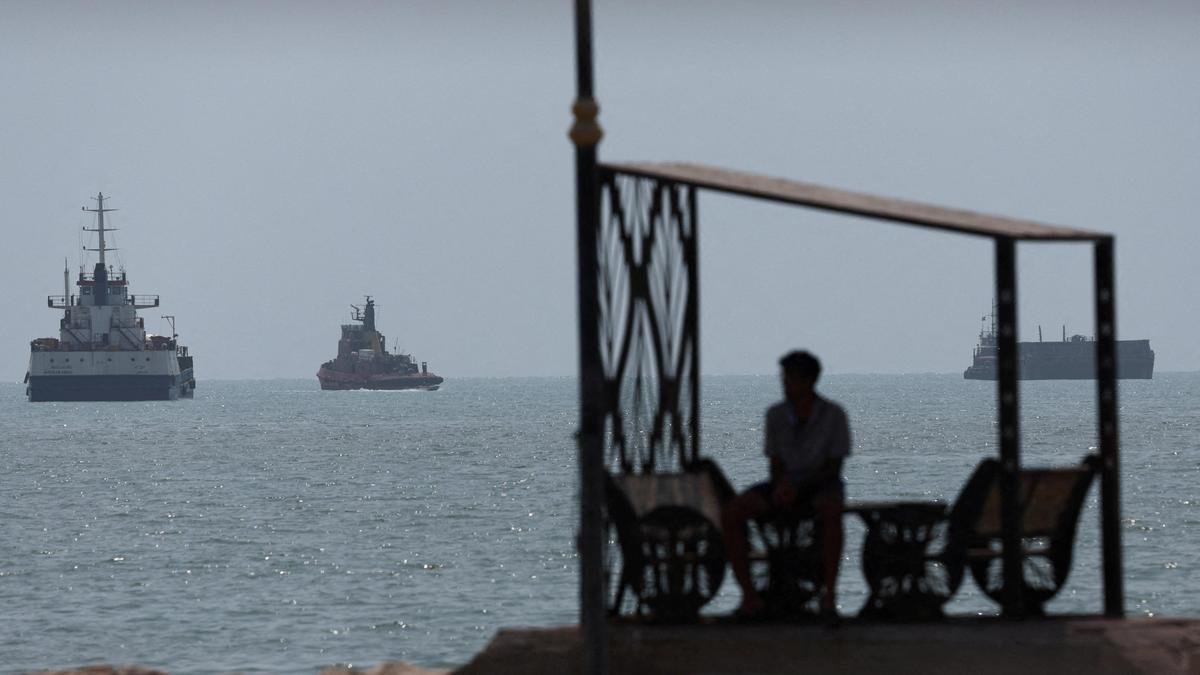
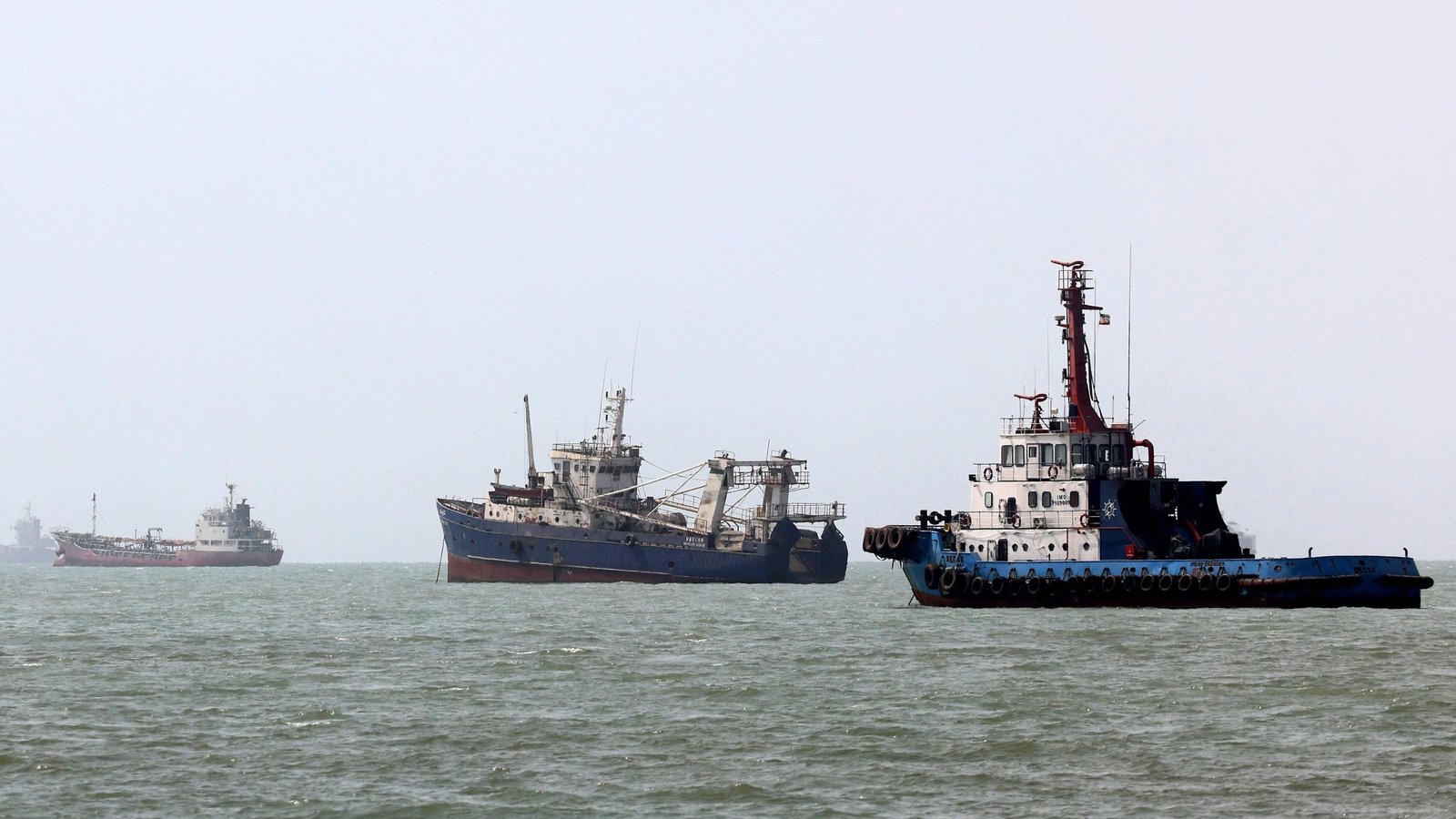
Hormuz becomes the central battlefield The Strait of Hormuz has emerged as the most consequential pressure point in the conflict.
The narrow waterway is central to oil and gas shipments from the Gulf, and any perception that commercial traffic is unsafe can quickly affect prices well beyond the region.
Gupta said the strategic focus has shifted from what he called the “nuclear emasculation” of Iran towards ensuring freedom of navigation through Hormuz.
The US is reportedly exploring shipping routes closer to Omani waters, potentially reducing exposure near Iranian-controlled islands such as Qeshm and Larak.
But the challenge remains unchanged: Iranian missile capabilities can threaten vessels even if they are travelling through an alternative channel.
Iran does not need to permanently shut the waterway to create disruption.
The possibility of missile strikes, mines or attacks on tankers may be enough to make insurers, shipping companies and oil buyers more cautious.
The consequences then cascade through the global economy: freight charges rise, insurance costs climb, energy prices harden and inflationary pressures return.
The maritime danger is also not limited to Hormuz.
The Red Sea and Bab el-Mandeb have remained vulnerable to attacks by the Houthis, creating further uncertainty over the Suez Canal route.
If vessels are forced to bypass these chokepoints and sail around the Cape of Good Hope, voyages become significantly longer and more expensive.
For an import-dependent economy such as India, this is not a distant geopolitical concern; it is a direct economic and supply-chain risk.
China gains as rivals remain distracted The conflict is also reshaping the wider balance of power.
Gupta argued that China is the principal strategic beneficiary of a situation in which Russia remains heavily committed to the Ukraine war while the United States is tied down in West Asia.
Iran’s economic survival, in this reading, is closely linked to its relationship with China.
Despite longstanding sanctions, Tehran continues to export a substantial share of its oil to China and receive supplies through external networks.
This complicates efforts to economically isolate Iran: sanctioning smaller companies may impose costs, but the challenge becomes much more serious when the country’s principal economic partner is a major global power.
The wars in Gaza, Ukraine and West Asia have produced simultaneous crises in key strategic theatres.
Meanwhile, tensions involving China in the South China Sea, around Taiwan and near the Philippines continue to add to the sense of a world in which multiple flashpoints can escalate at once.
Gupta’s assessment is that this fragmented security environment has weakened the idea of a single, reliable security guarantor in West Asia.
Gulf states hosting US forces remain exposed to missile and drone threats, while American missile-defence resources and munitions inventories are under stress due to competing demands across theatres.
India’s energy security challenge For India, the immediate priority is to keep energy supplies flowing without allowing domestic fuel prices or shortages to spiral.
Gupta noted that New Delhi has sought to cushion the fallout through diversification: buying crude from Russia, increasing purchases from the United States and working with Gulf partners such as the UAE and Oman for oil and gas supplies.
This approach has helped India avoid the kind of visible disruption that would signal a domestic energy emergency.
There have been no widespread fuel queues or major shortages, he noted, suggesting that India’s procurement and refining systems have so far absorbed the external shock relatively well.
India’s expanding refining capacity also gives it greater flexibility to process crude from multiple sources and supply petroleum products onward.
Diversification works only as long as alternative supplies and shipping routes remain available.
A simultaneous disruption of the Strait of Hormuz, the Red Sea and the Suez Canal would place far greater pressure on India’s logistics, freight costs and energy bill.
Higher oil prices may not immediately cause a crisis, but they can weigh on inflation, government finances and economic growth over time.
India also faces a human-security challenge.
Indian seafarers are present across global merchant shipping, while millions of Indians live and work across the Gulf.
A regional economic slowdown could affect employment, incomes and remittances.
At sea, Indian-linked commercial shipping remains vulnerable to the spillover of missile and drone attacks in conflict-adjacent waters.
Chabahar, INSTC and diplomacy The conflict also threatens to put India’s longer-term connectivity ambitions on hold.
Chabahar port in Iran was envisaged as a route enabling India to reach Afghanistan and Central Asia while bypassing Pakistan.
The International North-South Transport Corridor, meanwhile, was designed to connect India with Iran, the Caspian region, Russia and Central Asia through a multi-modal transport network.
However, such projects depend on a basic prerequisite: stability in Iran and safety along the routes they use.
Gupta cautioned that without an end to the conflict, Chabahar and the INSTC risk remaining strategic concepts rather than fully operational trade corridors.
The wider lesson is visible in other regional connectivity initiatives as well: infrastructure plans can be ambitious on paper, but wars and political instability can quickly undermine them.
Diplomacy, therefore, remains essential.
The Shanghai Cooperation Organisation and the forthcoming BRICS engagements offer India a platform to engage Russia, China and Iran on interconnected questions of war, energy security and economic stability.
Gupta said a meeting between Prime Minister Narendra Modi and Russian President Vladimir Putin was expected, while engagement with Iranian President Masoud Pezeshkian could offer New Delhi a direct reading of Tehran’s position and possible pathways towards de-escalation.
The central message from the discussion is clear: six months into the war, neither military strikes nor sanctions have produced a decisive outcome.
The conflict has instead become a contest of endurance - one that is destabilising sea lanes, increasing global uncertainty and testing India’s ability to protect its energy security, diaspora, shipping and strategic connectivity projects.
Operating round the clock, the desk brings together experienced editors, reporters and correspondents to deliver fast, accurate and contextual reporting across subjects that influence public policy, governance, business, society and international affairs.
The HT News Desk covers politics, elections, government policies, the economy, business and markets, science and technology, the environment, law and order, infrastructure, education, climate issues and geopolitics, while closely tracking developments across states, institutions and global capitals.
The team also leads coverage of major breaking news events, policy announcements, court proceedings, natural disasters, public emergencies and significant international developments.
Reports published by the newsdesk are based on information gathered from reporters on the ground, official statements, government agencies, court records, regulatory filings, recognised institutions and other authoritative sources.
Stories undergo editorial scrutiny and verification processes to ensure accuracy, fairness and relevance, and are updated as events evolve and additional information becomes available.