In his memoir the former Qantas chief executive denies using the lounge as a tool to influence politicians
Get our breaking news email, free app or daily news podcast
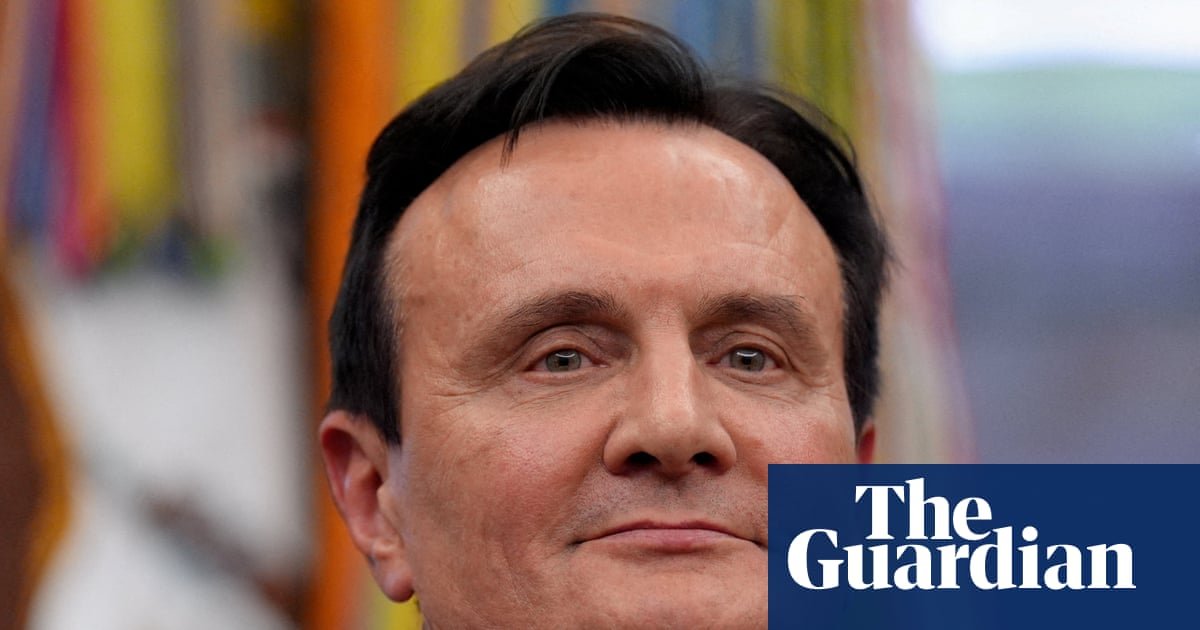
Judges, politicians, newspaper editors and big spenders: Alan Joyce, the former Qantas chief executive, has revealed how the airline admits members to its private chairman’s lounge.
In his memoir, released on Tuesday, Joyce denies using the lounge as a tool to influence politicians and claims famous Australians “begged” to be granted access to “arguably the most exclusive club in the country”.
The Irish-born Joyce was one of the airline’s longest-serving heads, leading the company from 2008 until his resignation in 2023.
He has previously described the lounge as a “commercial arrangement”, but the comments in his memoir, Riding the Jet Stream, provide his most expansive explanation of how access to the luxury private zones in Australia’s major airports operates.
Joyce writes that neither he nor the Qantas chair personally handled invitations to the lounge and had only occasional input.
Membership of the “invitation-only” club was approved by a small group of senior executives, he says.
The “core” membership included “federal politicians, most state politicians, high court and federal judges, editors of national newspapers, a few journalists, and high-profile celebrities”.
Companies that spent about $1m each year on Qantas flights “likely” received one lounge membership each, which could be rotated between executives, Joyce writes.
In 2023 the company told a Senate inquiry it also extended invitations to secretaries and deputy secretaries of federal departments, agency chairs, chief executives and commissioners.
Qantas has been contacted for comment.
‘You cannot buy your way in’
In his book, Joyce writes that the company once had to rescind memberships after numbers grew “out of control”, due to “inconsistent oversight”, though he does not specify when that occurred.
Qantas also maintained control of membership by requiring “high standards of conduct”, he writes. Joyce gives the example of Jacqui Lambie, who was banned from the airline for six months after a “rant” in the Melbourne chairman’s lounge, for which she apologised.
Membership feels “elite” and discreet due to the exclusivity, rather than the perks, Joyce writes.
“You cannot buy your way in, and no amount of frequent-flyer points will get you a spot,” he writes.
Free, on-demand fine food and alcohol and comfortable facilities are available at the private lounges. Membership also gives customers free seat selection and priority for customer service, airport check-in and security, baggage handling and upgrade requests, according to the Qantas website.
A number of politicians have handed back their membership of the lounge in recent years.
In his memoir, Joyce denies claims that Qantas exercised influence through lounge membership, describing it as “the wildest assertion”.
“If that were true, Qantas would never have lost a case in the High Court or Federal Court – yet we did,” Joyce writes.
He writes that the lounge was a relationship tool, not a lever of control.
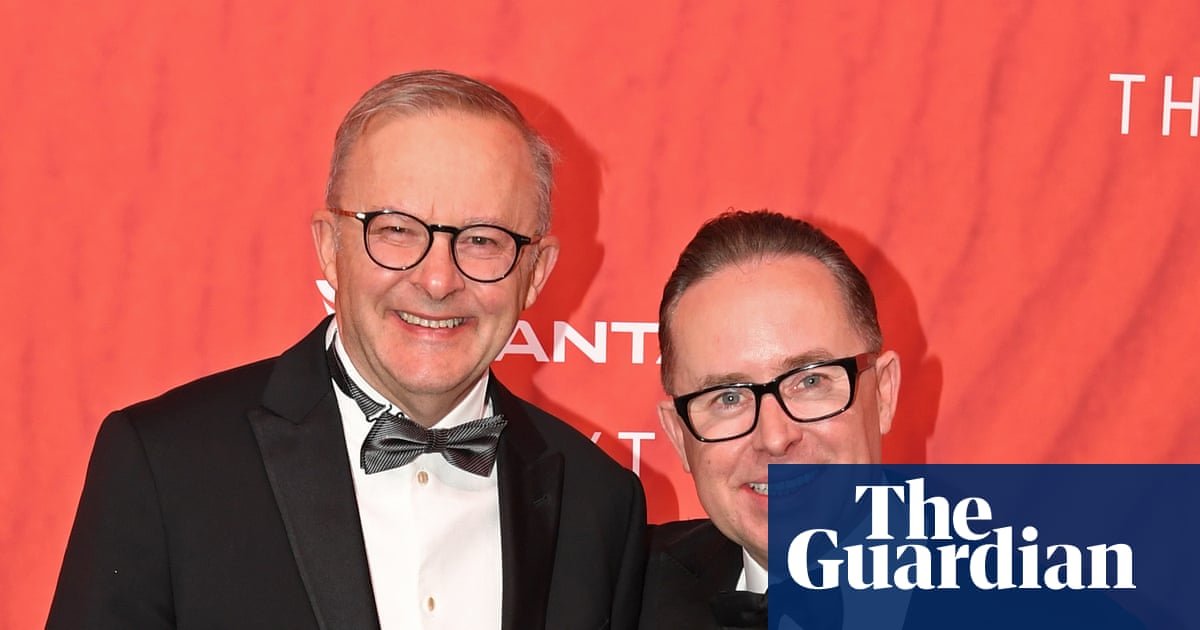
The memoir also contains Joyce’s first public comments on claims he acceded to Anthony Albanese’s requests for free upgrades on Qantas flights, which the prime minister denied in 2024.
“I have no recollection of ever receiving a call from the Prime Minister or his staff requesting an upgrade,” Joyce writes.
Joyce says his standard practice for such requests, which “politicians from all major parties” had made, would have been to tell his personal assistant to arrange the upgrade.
But Joyce says he never asked his assistant nor was there any record of him authorising such an upgrade for Albanese.
“It’s bunkum, but nothing grabs a voter’s attention quite like suggesting a pollie has their nose in the proverbial trough,” he writes.