Why fainting fans and perspiring players are a worry for the Asian league seeking to follow Japan and align with Europe
South Korean football is trying to find the goldilocks time to play the K-League. Winters have long been too cold and, increasingly, summers are too hot. This may be the Land of the Morning Calm but, for much of the time, the weather can be pretty extreme.
Last week a survey revealed that more than 70% of 29 respondent coaches in Asia’s oldest professional league support a shift from the traditional March to November schedule to one that matches the European format, which starts in late August and has a winter break.
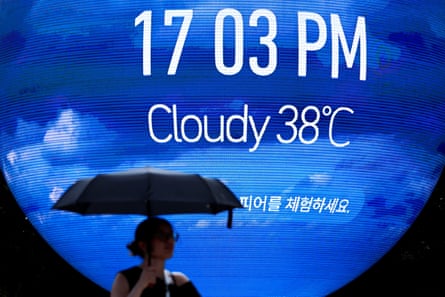
It is an old debate that has intensified of late along with the summer temperatures. The city of Yangsan reached 42.5 Celsius on 2 August, the highest since records began, and Seoul recorded 17 consecutive tropical nights, so defined when the temperature does not fall below 25 degrees.
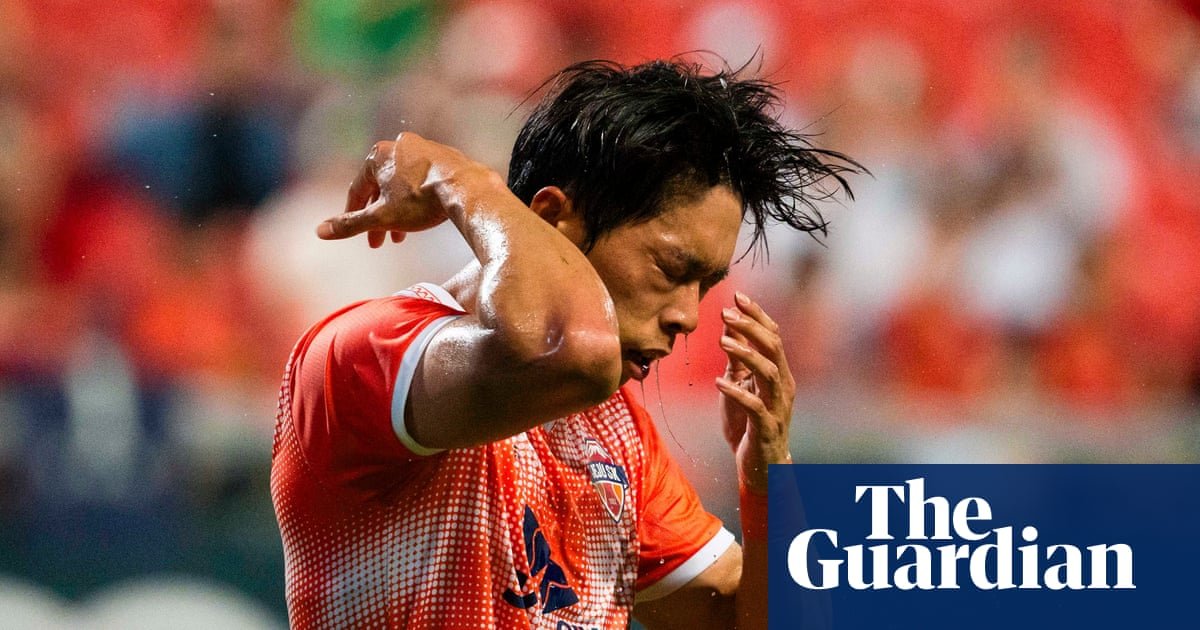
Fans fainted in stadiums and coaches bemoaned the quality of play. It looks like it is only going to get worse. A December 2025 report from the Korea meteorological administration (KMA) found that temperatures in the country had risen 0.9 degrees from 2020 to 2024, a worrying amount given that the increase over the previous 100 years had been 1.9.
South Korea’s Pro Footballers Association (KPFA) called for a change. “The K League must transition … to protect players from the worsening climate crisis and punishing summer heat,” it said in a statement. “And to maintain the league’s leadership within Asia and its global competitiveness.”
Players believe that aligning with the European season will not only be beneficial for their own and fan welfare, but also helps in terms of buying and selling players. Japan has just done this. The J League followed the same schedule as Korea until this year but has just kicked off the new season.
Japanese fans and media have long lamented the relatively small transfer fees they receive for their growing number of talented young players. Having the same three-month summer transfer window as Europe should make a difference. It also puts the league in sync with the Asian Champions League, which made the same transition in 2023.
For Korea, which has a 38-game season, the problem is a winter which is harsher than Japan’s for a greater proportion of clubs. It is not much fun sweltering in a stadium in summer but then neither is watching games at sub-zero temperatures. The KMA said that since that early last century, summers have become 25 days longer with winters 22 days shorter. If this trend continues, then the mid-season break will not have to be as long as once thought, but a midsummer pause could be lengthy.
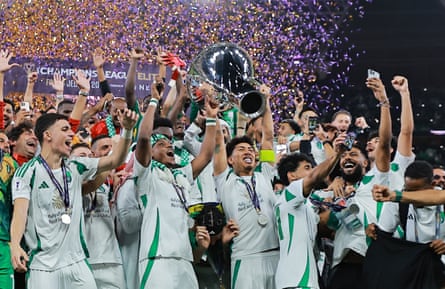
A change could come sooner rather than later and it does not need to be that disruptive. The J League employed a self-contained mini-transition season from this February to May before the World Cup. The 2030 tournament may provide the perfect time for Korea to follow suit.
China has the same schedule as Korea and a similarly harsh winter in some parts, and sweltering summers in most. It is an issue here too. It helps that there are just 30 games in the top tier there and that, given the country’s size, there is more flexibility around fixtures with games at the coldest times able to be held down south.
It may depend on how the J League does financially. Despite concerns over the impact that lengthy mid-season breaks have on matchday revenue as well as interest from fans and broadcasters, officials in Tokyo said before the new season started that they expect record revenues. If so, it could be that, as much as the fainting fans and perspiring players, that makes the difference elsewhere in the region.
Beyond football, the Indian Premier League, the most lucrative competition in the cricket world, is also considering changing its (March to May) dates. “Weather is another challenge that we are facing now, with May getting very hot,” the IPL chair, Arun Dhumal, said in June. “We are also looking if we can find a window from February to April and then later in the year,”
Likewise, the Tour de France has much to think about after a summer disrupted by blistering heat and wildfires. It became so bad that fans were asked to stay away from the final legs of the race for their own protection.
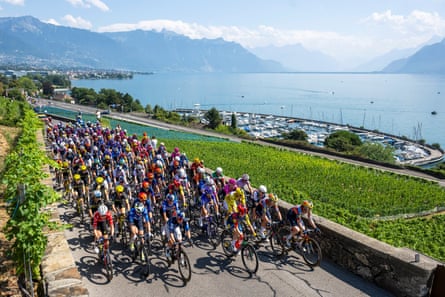
“We’ve never experienced anything like this,” Yvon Ledanois, sports director at XDS Astana, told RMC Sport. “It’s not just that one day it’s very hot and the next day we have normal conditions. No, it’s extremely, extremely, extremely hot every single day.”
It does not seem as if a move away from July, when the event has taken place for 120 years, is on the cards just yet but a change in times of races to avoid the hottest parts of the day may not be far away. In Korea and elsewhere, flexibility in the future is key.
This is an extract from our newsletter, The Hotspot. To subscribe just visit this page and follow the instructions.