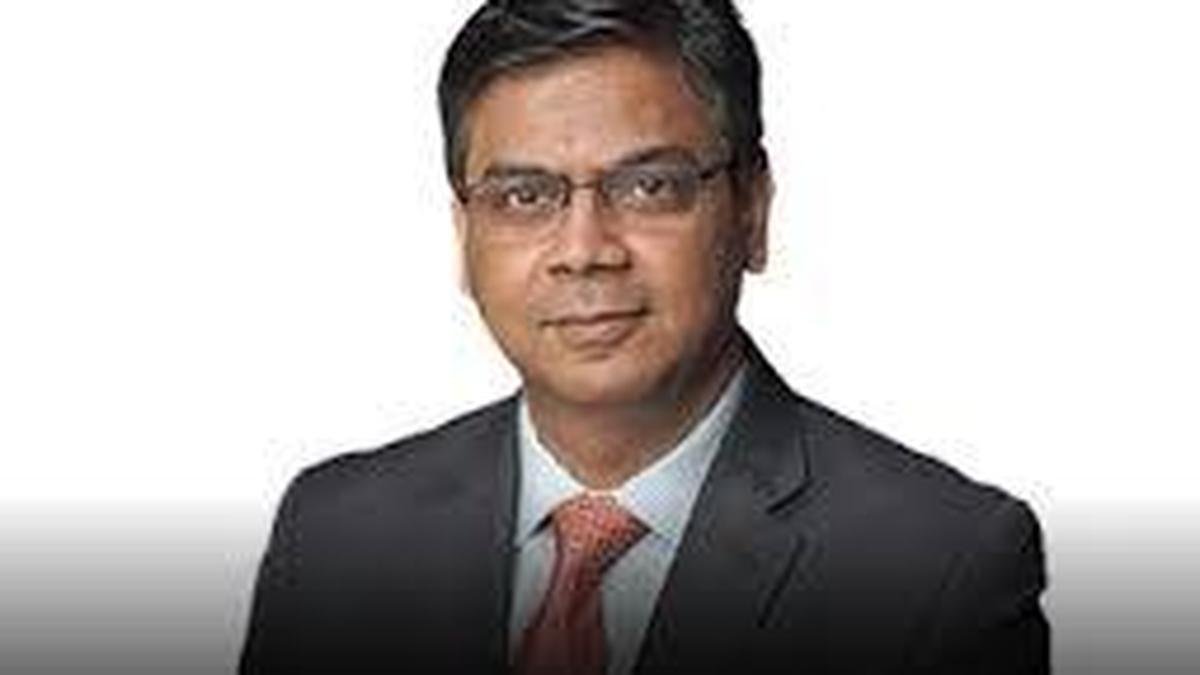
Structural tailwinds created by India’s GDP, IIP, consumption growth, higher infrastructure spend have an edge over short-term headwinds created by the West Asian conflict and the resultant rise in fuel and commodity prices, and therefore, the commercial vehicles industry will grow in the longer term said Girish Wagh, MD & CEO, Tata Motors Ltd., the Commercial Vehicles (CV) business of Tata Group on Thursday.
“Headwinds are cyclical and we will see some bumps in volume but tailwinds are structural and more durable,” he emphasised.
“The cyclical headwinds will have some effect on quarterly demand but in the long term, the Indian growth story will lead to increase in road freight in the CV segment. The stable regulatory roadmap will help. The scrappage policy has been put in place, more incentives coming from the government and this will help in replacement demand. All incentives towards electrification will help,” he said.
He said the company, over the next two years. will focus on three pillars that include the core business of vehicles, new growth engines which are mostly non-cyclical and international business which will strengthen post the acquisition of European truck maker Iveco.
“We will focus to grow our share in all the four vehicles segments but more specifically in HCV. We will be growing all the downstream businesses which includes digital, parts, services and ride on government support for electrification,” Mr Wagh said.
Iveco acquisition
“Now, we will pivot to create a business with the Iveco acquisition. We will grow our own international business and also with Iveco accquisition we have got access to more markets, products which are very complementary,” he said.
After the $4.4 billion acquisition is completed in the July to September quarter and post regulatory clearance the company will work to leverage the synergies on cost and efficiency side and also on the topline revenue side by taking products to markets to where it is currently not present, he added.
“Tata Motors CV business should be looked at a combination of the three pillars not just the first pillar where volume focus was there earlier,” he stated.
Stating that the company would grow from India’s growth story, he said India’s CV industry continued to be supported by infrastructure, industrial growth and logistics expansion, urban mobility demand and healthy fleet economics.
“We will create mobility solutions to unlock new revenue pools and reduce cyclicality. We will lead transition to sustainable mobility. The CV industry is approaching meaningful inflection point in electrification and Tata Motors is very well positioned with widest EV portfolio, ecosystem partnership and end to end mobility solutions,” Mr Wagh said.
He said the company’s investments in AI, connected vehicles and digital platforms will help it move beyond vehicle manufacturing to deliver integrated mobility fleet management and logistics solutions.
“So, therefore, we are now focusing on building a globally diversified mobility company supported by a strong balance sheet, growing international business and with the proposed Iveco accusation, Tata Motors is creating a more diversified technology led and globally competitive commercial vehicle platform,” he stated.
“We are building a structurally stronger business, thus business has evolved from a volume led model to one focused on customer value creation, disciplined pricing, improved product mi, better financial fitness and sustainable profit,” he emphasized.
Severe commodity impact
He said the impact of high commodity prices, post the break out of the West Asia conflict, has been severe.
“The commodity impact has been quite severe. It started from Q4 last year and for this quarter it has been very severe. We are seeing some leftover effect happening in Q2 also. Overall its pretty severe,” he said.
The company had taken a two fold approach. It did take two price increases and a third will be coming from July 1. Since the hike has not covered the full impact it has accelerated cost and expense reduction to manage the extra burden.
To a question of the impact of the West Asia conflict on the company’s business in that region, he said, “It had an impact on our demand in the international business and also a bigger impact on the supply chain. It not only reduced the material availability for some time, mostly commodities but increased the prices. All these have now been now managed but the residual commodity cost inflation impact remains. As we go ahead it will kind of flatten out,” he emphasized.
The West Asia region used to contribute to 20% of the total international business. “In the first two months it crashed to zero because there were no shipments. From this month we will be shipping vehicles to UAE. So business is getting back on track and the underlined demand is still there,” he stated.
Pointing out that freight growth on road is very closely linked with GDP growth, he said the next four years the freight carried by road should increase by 20% and this would create demand for more trucks.
Going forward, Tata Motors plans to bring Iveco branded heavy trucks for deep mining operations in India as well as daily mini buses. It will continue to invest 2 to 4% of its revenue every year in new technology and product development.