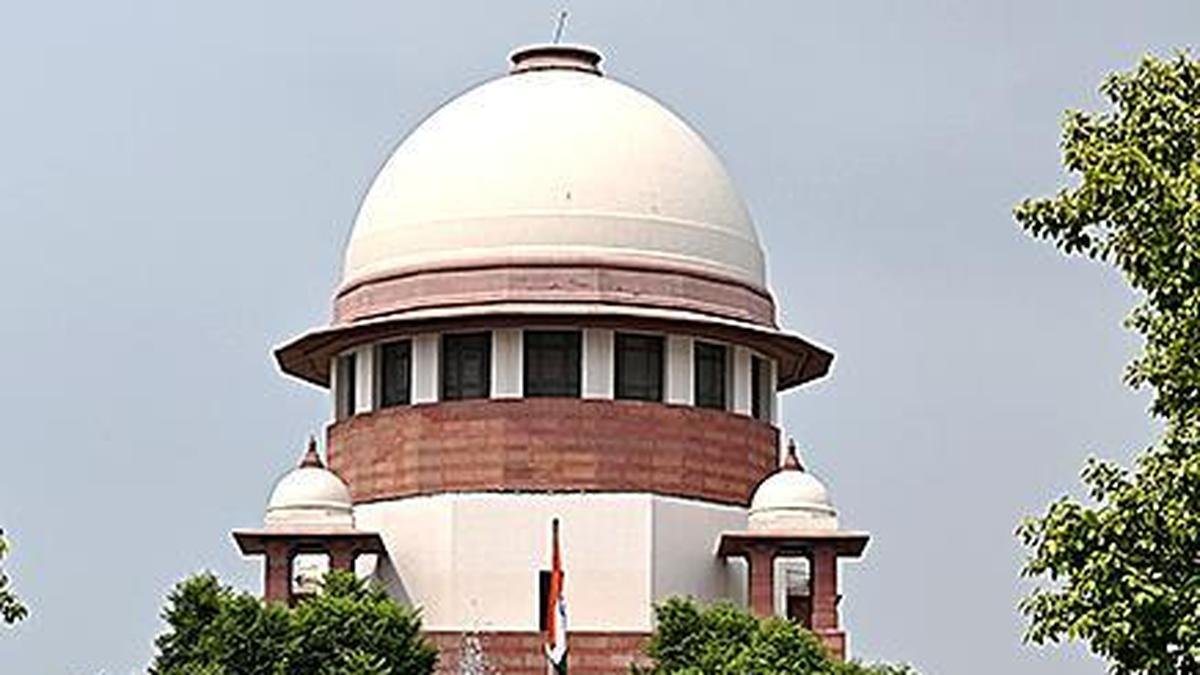
The Supreme Court of India declined on Thursday (September 3, 2026) to intervene in a plea challenging restrictions put in place by Uttar Pradesh and Rajasthan governments on entry to journalists, social media influencers and civil rights activists into government schools along with curbs on photography, videography, interviews, audio recording and livestreaming.
Garbage, water shortages and broken fans: inside CJP’s ‘School Theek Karo’ campaign A Bench headed by Justice P.S.
Narasimha said the court was not inclined to entertain the writ petition filed by Priya Mishra under Article 32 of the Constitution against separate orders passed by the Rajasthan Director of Secondary Education on August 16 and the District Basic Education Officer, Ayodhya, Uttar Pradesh, barring outsiders from entering or videographing within school premises.
Similar orders were issued in other districts of Uttar Pradesh like Azamgarh, Ballia, Basti, Balrampur, Shamli and Agra.
The petition followed shortly after the announcement of the ‘School Thik Karo’ campaign by the Cockroach Janta Party (CJP) to audit and improve the neglected infrastructure of government schools in rural India.
In Rajasthan, CJP members were thrashed and chased away by a mob recently at Rampura-Kanwarpura village in Jaipur when they tried to visit a dilapidated government primary school.
The school was reportedly bulldozed by the authorities for unsafe infrastructure on September 2.
Dilapidated Rajasthan school building razed after CJP campaign The plea argued that the restrictions on entry were a breach of the freedom to disseminate information to the public about the safety and dignity of children studying in government schools.
The petition said the orders prevented documentation of classrooms, buildings, toilets, drinking-water facilities, electricity, mid-day meals and other infrastructure in these institutions.