The government had assured the students would not be targeted or harassed in connection with the agitation.
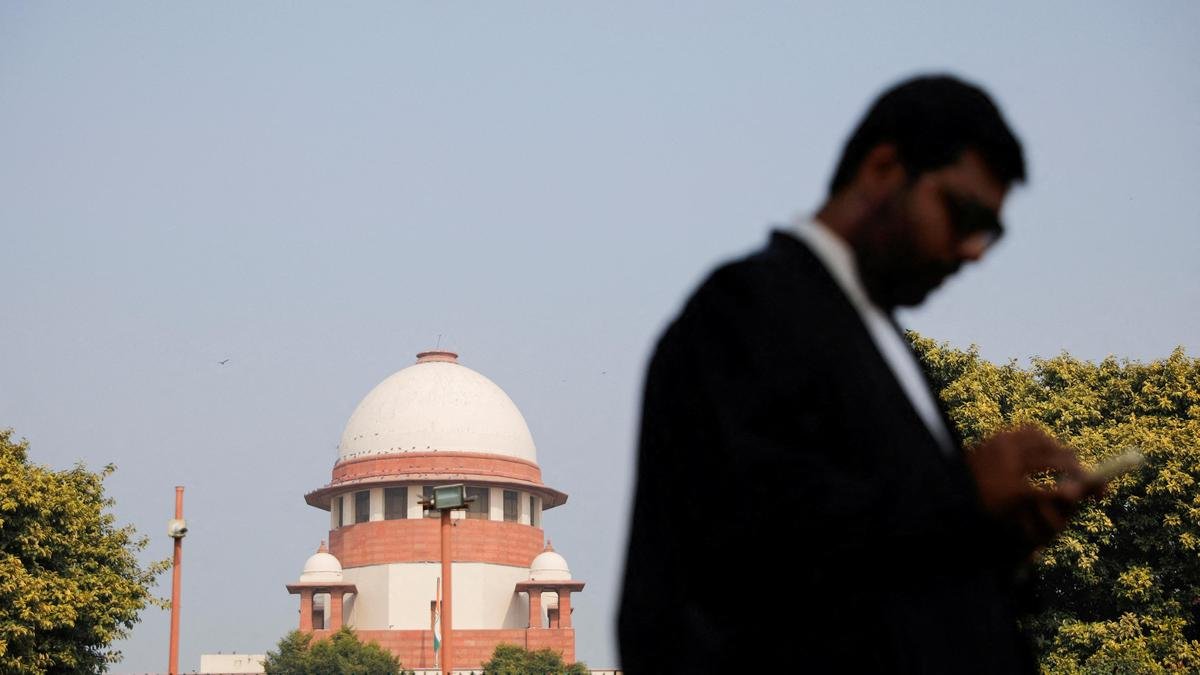
Updated on: Sep 1, 2026, 15:26:11 IST By HT News Desk Prefer HTon Google Share via Copy link The Supreme Court on Tuesday invoked its extraordinary powers under Article 142 of the Constitution to quash FIRs registered across the country against students who participated in protests over the NEET examination controversy.
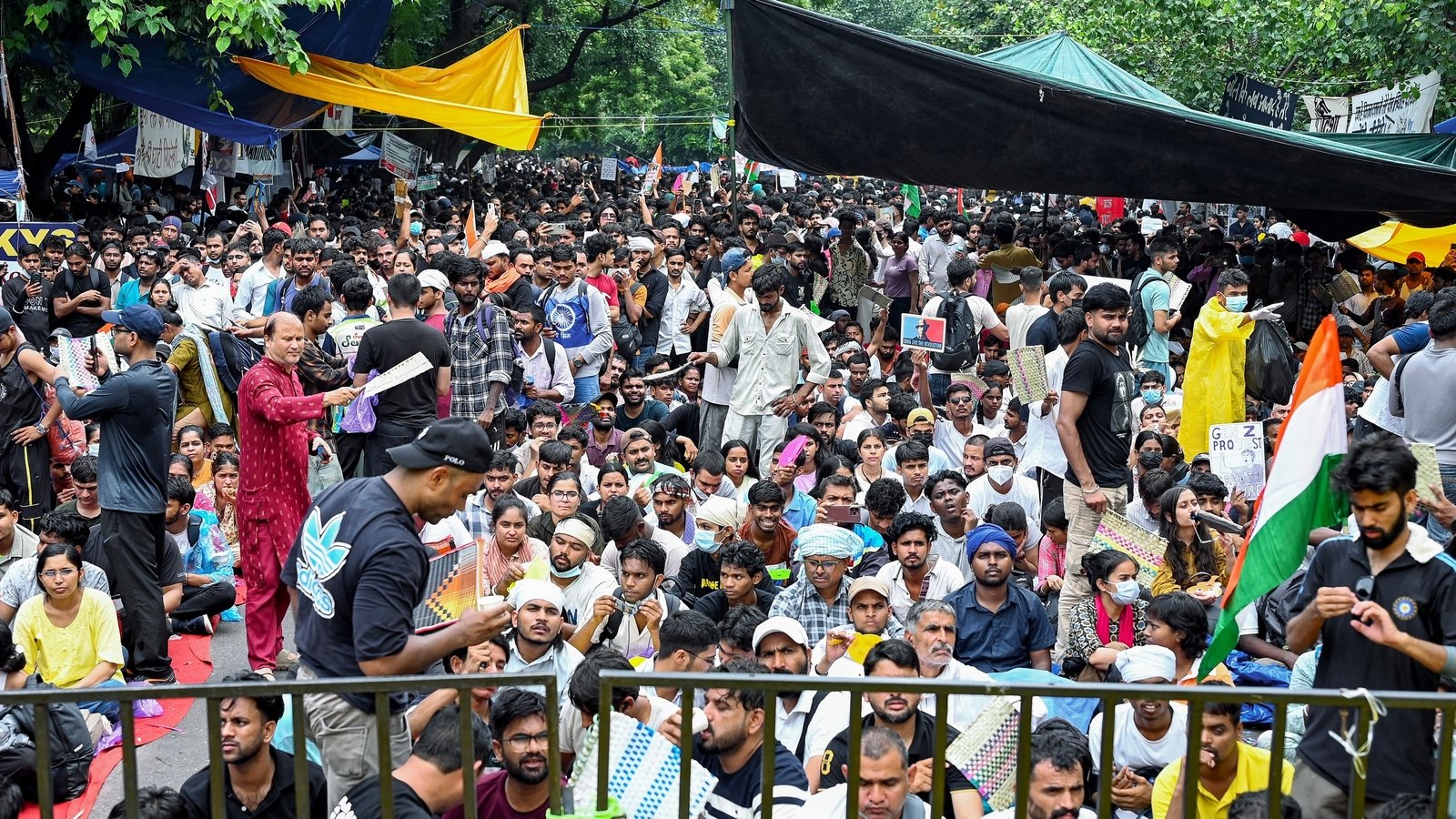
People sit at the protest site at Jantar Mantar supporting the Cockroach Janata Party's (CJP) protest, demanding the Union Education Minister Dharmendra Pradhan's resignation. (ANI File Photo) The order comes after the government had approached the top court seeking the quashing of cases registered against protesters in Delhi and assured that students would not be targeted or harassed in connection with the agitation.
The government had earlier moved the Supreme Court seeking the quashing of 13 FIRs registered in Delhi in connection with the NEET paper leak protests.
It had also sought permission to register a fresh FIR against 2,873 people who were present at the protest site to investigate their alleged role in violence during the agitation.
Deep Dive Powered ByAsk HT The Supreme Court's intervention came after the issue of FIRs became one of the key outstanding demands of the protesters.
Operating round the clock, the desk brings together experienced editors, reporters and correspondents to deliver fast, accurate and contextual reporting across subjects that influence public policy, governance, business, society and international affairs.
The HT News Desk covers politics, elections, government policies, the economy, business and markets, science and technology, the environment, law and order, infrastructure, education, climate issues and geopolitics, while closely tracking developments across states, institutions and global capitals.
The team also leads coverage of major breaking news events, policy announcements, court proceedings, natural disasters, public emergencies and significant international developments.
Reports published by the newsdesk are based on information gathered from reporters on the ground, official statements, government agencies, court records, regulatory filings, recognised institutions and other authoritative sources.
Stories undergo editorial scrutiny and verification processes to ensure accuracy, fairness and relevance, and are updated as events evolve and additional information becomes available.