A petition filed by Opposition leaders led by Rahul Gandhi in the Supreme Court for a complete disclosure of records and decisions of the Election Commission of India on the Special Intensive Revision (SIR) and an independent probe into allegations of unilateral exercise of power by Chief Election Commissioner Gyanesh Kumar, which led to voter deletions and modifications, was successfully registered on Tuesday (October 13) for judicial hearing.
The Supreme Court Registry cleared and numbered the petition, filed by advocate Prasanna S., within 24 hours of its filing on Monday.
The petition was filed on October 12 evening by Mr.
Gandhi’s legal team headed by senior advocate A.M.
Singhvi even as the Congress leader led a march to the Supreme Court.
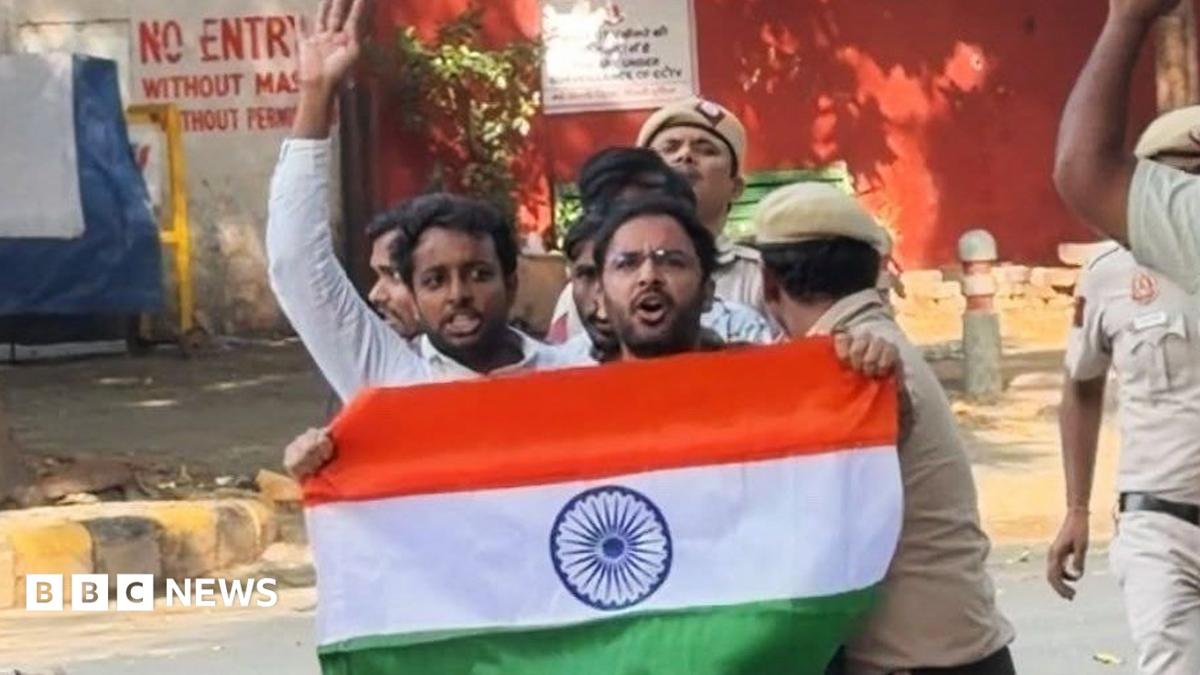
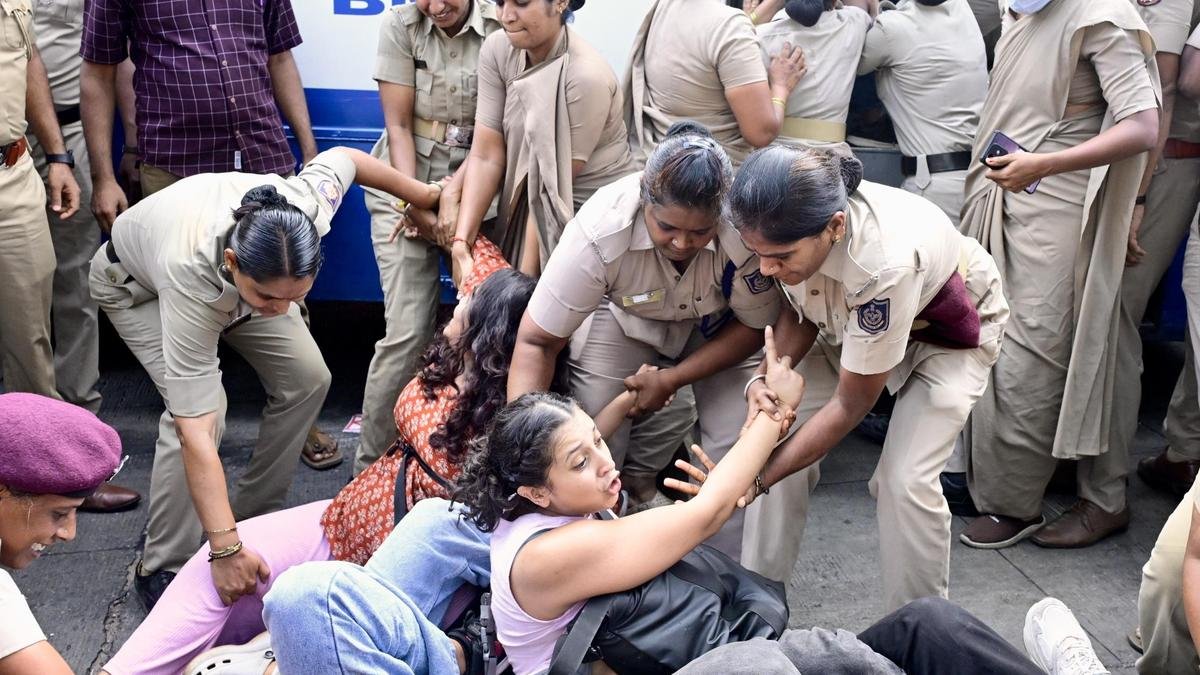
Delhi police accused of beating, assaulting detainees, denying them basic rights Mr.
Gandhi and other leaders across the Opposition political spectrum had walked to the Supreme Court Registry to mark their presence as petitioners in the case.
The leaders submitted that their decision to move the apex court followed a written communication from Chief Justice of India (CJI) Surya Kant.
In his October 11 reply to a request from the Opposition leaders to meet him, the CJI had informed that petitions raising similar issues were already pending with the Supreme Court, and scheduled to be heard on October 13.
The CJI’s Bench is itself hearing petitions concerning SIR and the allegations against the Chief Election Commissioner.
Anti-CEC protests LIVE updates on October 13, 2026 The CJI had advised the Opposition leaders that they too could file a petition on October 12 between 10.30 a.m. and 4.30 p.m. or use the e-filing facility afforded by the apex court to litigants.
Mass detention of Delhi protesters draws scrutiny from legal experts “You have my assurance that any such petition shall be heard at the earliest possible opportunity, in accordance with law,” Chief Justice Kant had written to the Opposition leaders in his October 11 reply.
However, media reports had emerged within hours of the filing of Mr.
Gandhi’s petition on October 12 that it was stuck in the Supreme Court Registry due to “defects”, which later proved to be routine and clerical in nature.
Under the Supreme Court Rules, when a petition or appeal has defects or is returned by the Registry, the petitioner or advocate is typically given a time window, such as 28 days or standard registry timelines depending on the specific filing chapter to cure the defects.
If defects are not cured within the initial timeframe and the matter remains in default for up to 90 days, a ‘condonation of defects and refiling’ application can be filed by the petitioners.
The matter is routinely placed before a Judge-in-Chambers for orders.
The Chamber Judge frequently grants a final extension of time, typically four to six weeks, to clear the objections.
If the defects are still not cured despite opportunities, matters are sometimes listed for dismissal or dismissed for non-prosecution/non-removal of defects.
Petitioners routinely file applications for restoration, and the Supreme Court Registry generally adopts a lenient approach in restoring, provided sufficient cause or compliance is shown.
Once the petition is cured, it is registered and numbered for judicial hearing, as in the present case.The Chief Justice of India, as master of the roster, on the administrative side, then allots it to an appropriate Bench for preliminary hearing.
Mr.
Gandhi’s petition reportedly had featured over 10 clerical defects, including a deficit in court fees and missing vakalatnamas for some of the petitioners.
When contacted in the morning on October 13, Mr.
Gandhi’s legal team had said such defects were “contemplated under the Supreme Court Rules and would be cured in due course”.
They said the Registry had found no fault in the substantive legal and constitutional arguments raised in the petition.