The Supreme Court has fixed a special hearing on Sunday (October 11, 2026) of a contempt petition challenging the blanket shutdown of public transport, rail and Metro service designed to deter protestors converging in the national capital to demand the resignation of Chief Election Commissioner Gyanesh Kumar.
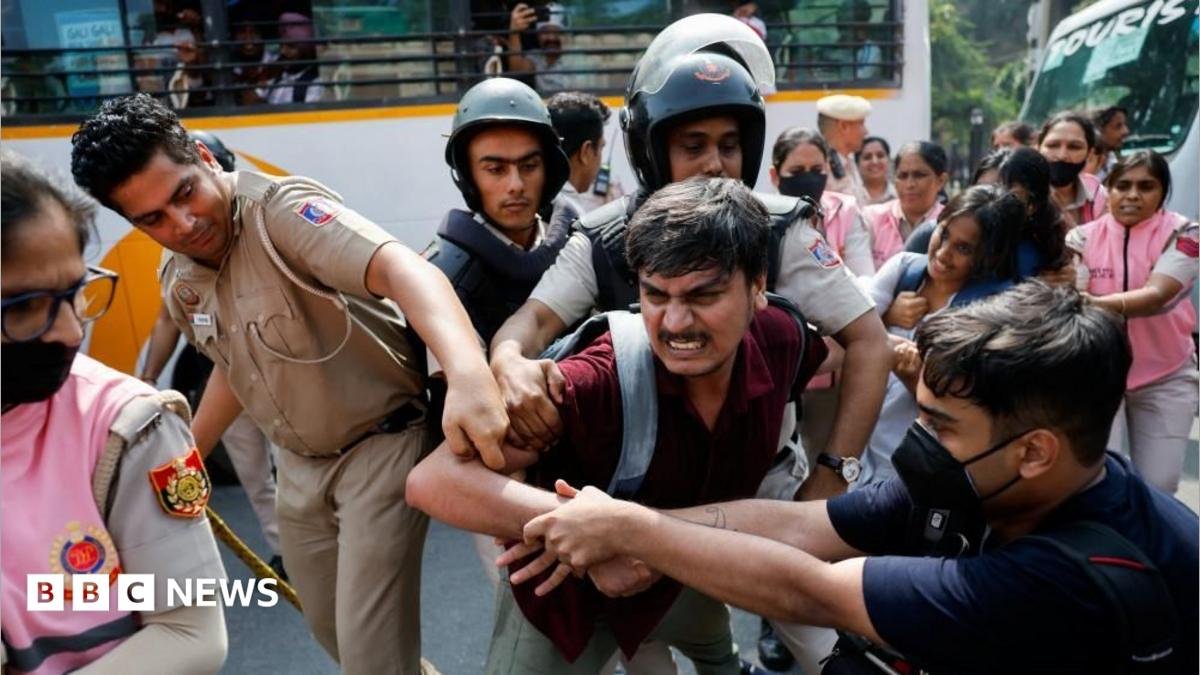
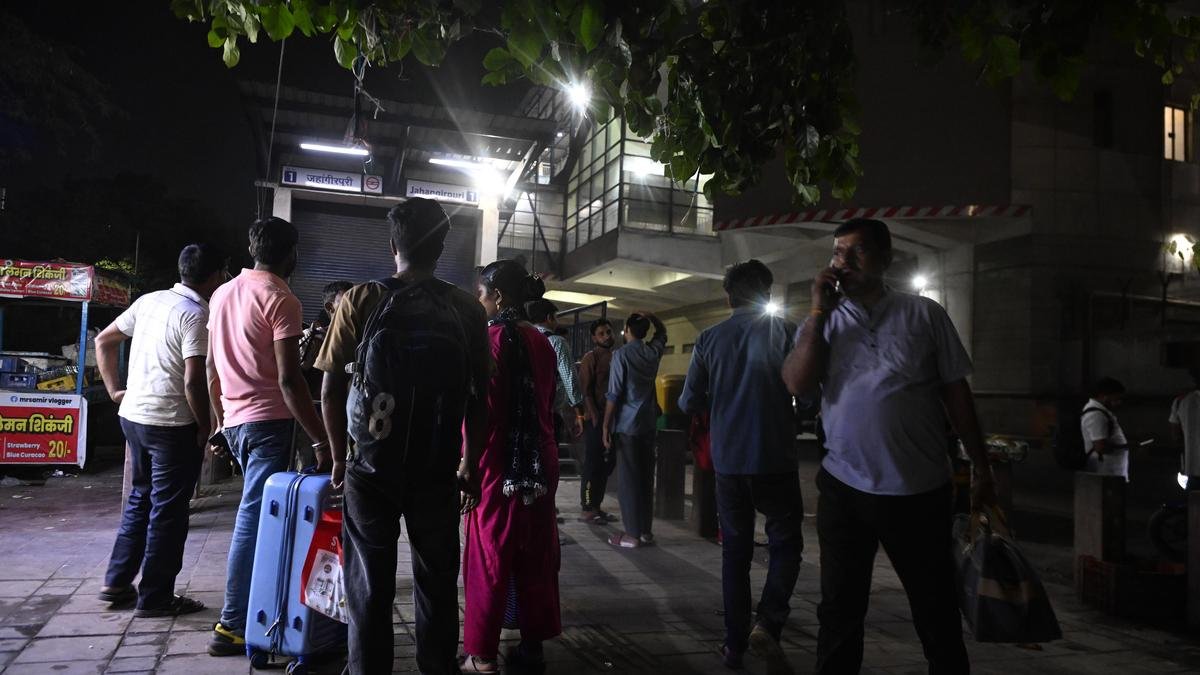
Metro stations remained shut almost across the national capital, major roads were heavily barricaded with a heavy presence of security personnel, and trains to Delhi were cancelled on October 10 amidst thousands of detentions.
The petition will be heard by a Bench of Justices Joymalya Bagchi and V. Mohana. The sitting of the Bench on a Sunday was published in the Supreme Court Cause List released on the evening of October 10.
In his petition shown to be filed only on October 10 morning, advocate Shailendra Mani Tripathi said the shutdown was in clear violation of the October 9 order of the Supreme Court, which had emphasised that the authorities must not cause any hardship or suffering to ordinary commuters through a blanket ban.
Mr. Tripathi is the lead petitioner who moved the apex court on the police action against youth protestors on July 20 during the NEET-UG paper leak protests.

He has sought a judicial order to initiate contempt proceedings against Union Home Secretary Govind Mohan IAS, Delhi Police Commissioner Anurag Kumar IPS and Delhi Metro Rail Corporation (DMRC) Chairperson D. Thara IAS for the alleged wilful non-compliance of the court’s directions.
“Notwithstanding the solemn judicial mandate and the assurance recorded before the Bench of the Chief Justice of India, the contemnors have consciously maintained a blanket shutdown across transit corridors, persisted with unwarranted train cancellations, and failed to issue or publicise transparent traffic and transit advisories,” the petition said.
It said the “deliberate recalcitrance” has severely crippled public life across the National Capital Territory, stranded essential travellers, and amounts to an intentional attempt to bypass and undermine the authority and majesty of the court.

“The Supreme Court had recorded the commitment of the Solicitor General of India and categorically held that there shall be no outright prohibition on the movement of Metro trains or essential railway transit; Transport authorities were mandated to switch from blanket ‘prohibition’ to proportionate ‘regulation’ so as to avoid any harassment or inconvenience to the citizens; Any such regulatory framework and traffic advisory was required to be widely published across print and digital media immediately,” the petition said.
In its October 9 order, the apex court had sought compliance reports from the authorities within four days.