The Supreme Court on Monday (September 28, 2026) took suo motu cognisance of a spate of sexual assault incidents against minors and women in Delhi-NCR, seeking a response from the Delhi Police and observing that public spaces, including parks, buses and Metro stations, cannot be allowed to become “zones of high risk” because of “lax patrolling and other preventable administrative deficiencies”.
Aastha Kunj gang rape area was already a Delhi Police ‘dark spot’; but lighting gaps remained A Bench of Justices J.B.
Pardiwala and K.
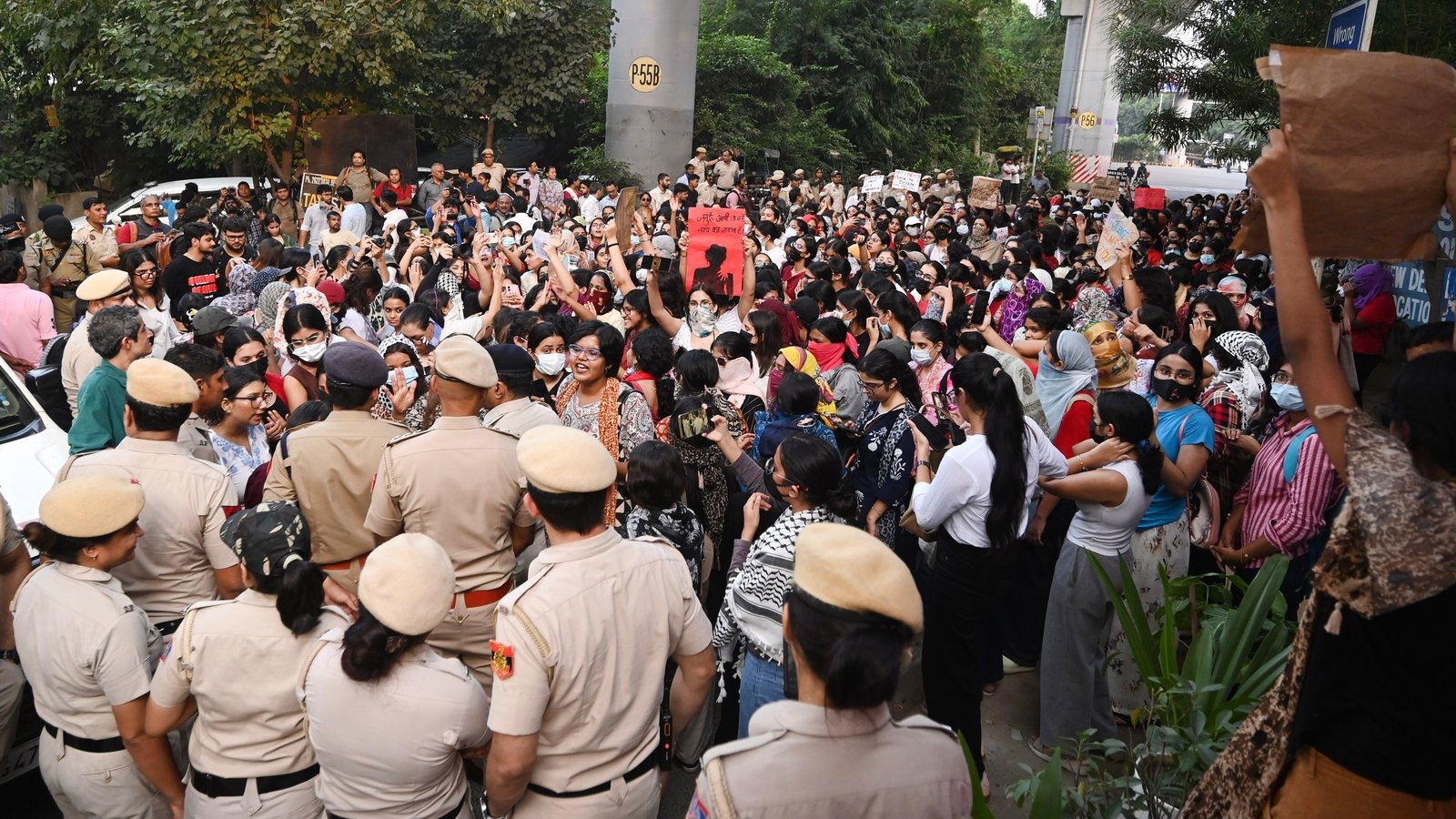
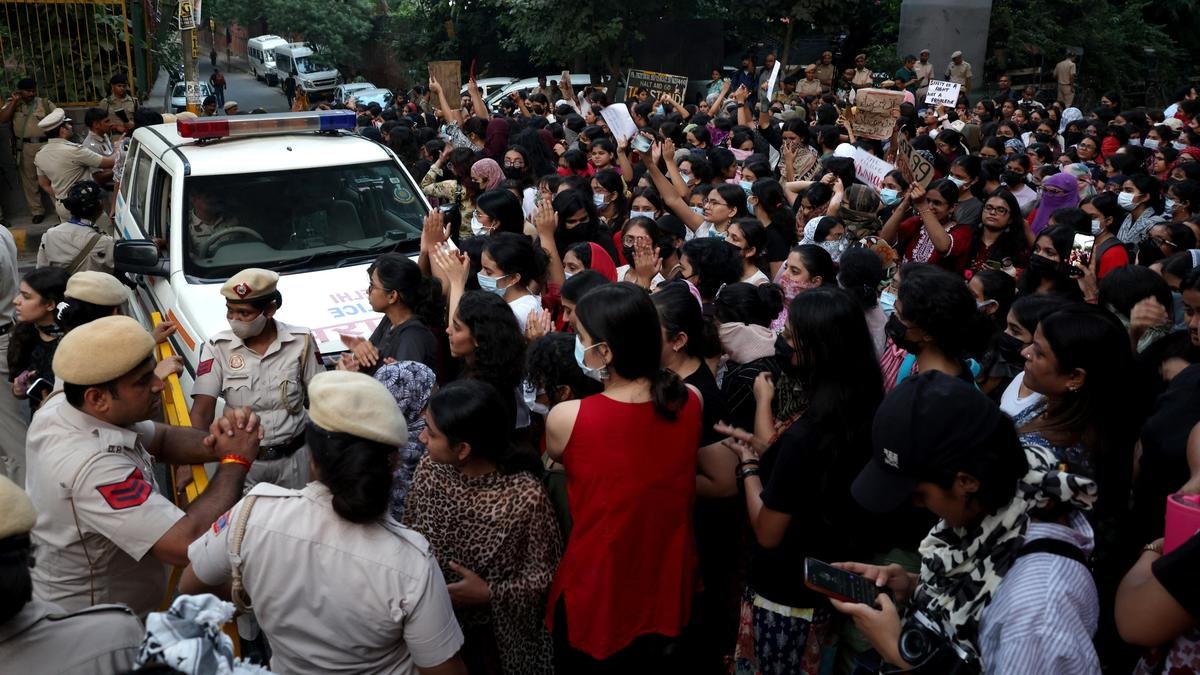
Vinod Chandran took note of several recent cases of sexual violence reported in the national capital, including the alleged rape of a 17-year-old at Astha Kunj park near Lady Shri Ram College, the gang-rape of a minor at Swaroop Nagar, and the sexual assault of another minor inside a bus travelling from Greater Noida to Delhi.
“These incidents, considered alongside recent reports of sexual offences across Delhi-NCR, starkly underline the failure of law enforcement and public administration authorities to guarantee basic public safety.
The right to live with dignity, free from the fear of violence, is an intrinsic facet of the fundamental guarantee of life and personal liberty enshrined under Article 21 of the Constitution,” the Bench said.
The Bench further observed that public spaces, including roads, buses, Metro stations, footbridges and subways, cannot be permitted to become “zones of high risk” because of inadequate illumination, poor surveillance, lax patrolling and other preventable administrative deficiencies.
‘Painful parallel to Nirbhaya case’ Expressing serious concern over the alleged gang-rape of a 17-year-old girl in a moving bus that travelled nearly 47 km from Greater Noida to Kashmere Gate in Delhi without being stopped at a single police picket earlier this month, the apex court said it could not help but “draw painful parallels with the 2012 Nirbhaya case”.
Long wait for justice as pendencies in rape cases mount The incident, it said, called into question whether systemic law-enforcement mechanisms had made any “meaningful progress” in the decade since then.
While acknowledging that statements by public authorities and elected representatives expressing concern over such incidents were understandable, the Bench said expressions of solidarity, without accountability, failed to address the larger institutional question.
“Expressing solidarity is not a solution to this social evil.
What is required is a measurable response with responsibility and accountability being fixed upon the authorities entrusted with prevention of crime, maintenance of public order and protection of vulnerable persons,” the Bench added.
The court also questioned the police response in the Astha Kunj case, taking note of reports that students of Lady Shri Ram College had previously complained of instances of sexual harassment in the area that had gone unaddressed.
“Regrettably, these complaints failed to rectify the security lapses through advanced surveillance,” it said.