Public outrage has exploded in Syria following reports of that a former “White Helmet” rescue worker has died after being tortured in police custody.
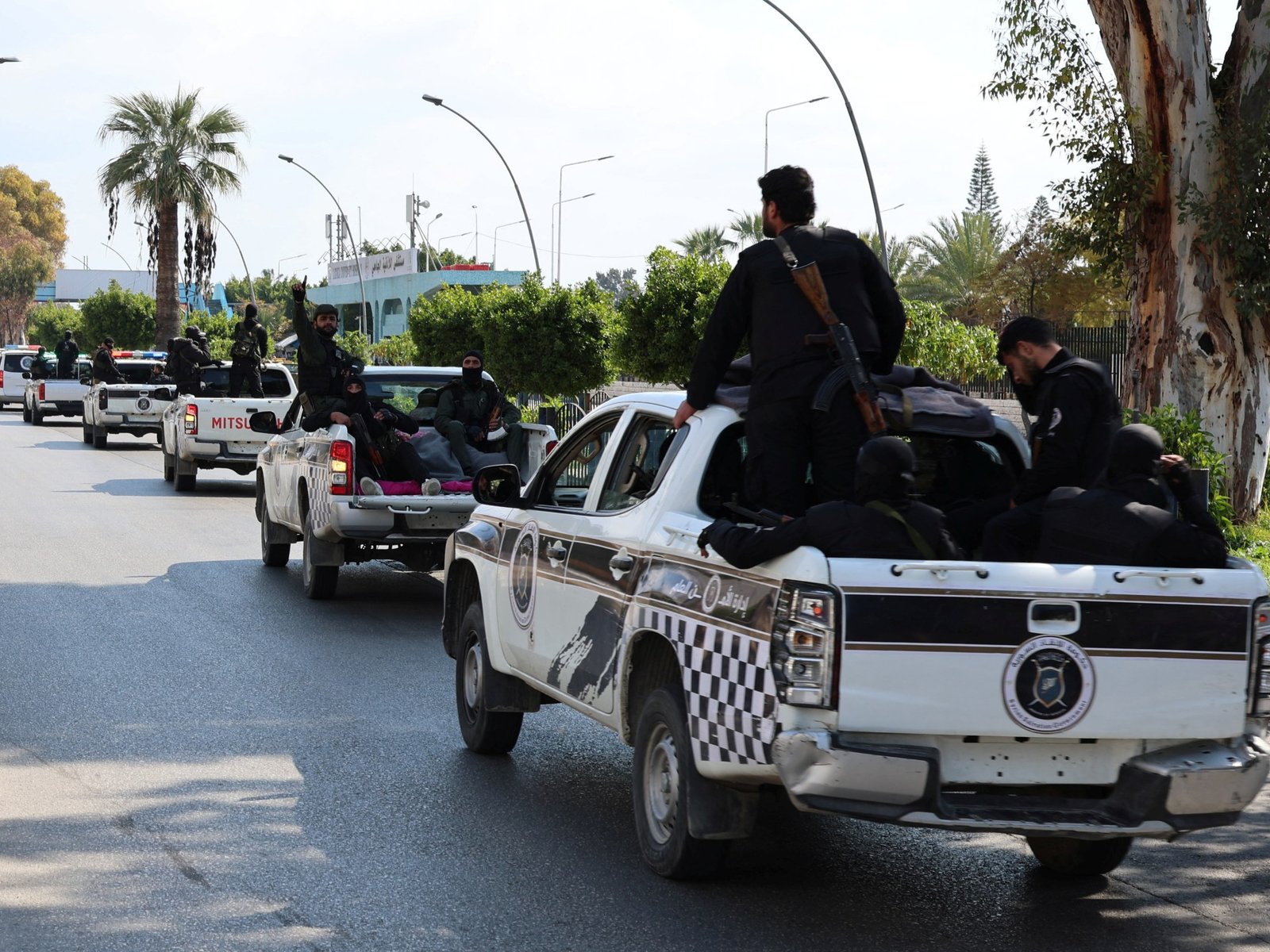
Protests were called on Monday in Syria’s Latakia province, a day after Mohammed Gamira died in hospital after being held at a police station over a financial dispute.
Recommended Stories
list 1 of 4Who is Atef Najib, former Syrian official sentenced to death with al-Assad?
list 2 of 4Israel vows to keep troops in Lebanon, Gaza and Syria
list 3 of 4Can Syria deliver transitional justice?
list 4 of 4Ahmed al-Sharaa: A New Vision for Syria
The prospect of death and mistreatment in detention is sensitive for Syrians due to years of widespread torture by police and security forces under the regime of former President Bashir al-Assad. Nationwide protests are now planned for Tuesday.
Under President Ahmed al-Sharaa, who led the offensive that toppled al-Assad, establishing the rule of law has remained a core challenge.
In a statement, the Latakia Internal Security Command said an investigation has been launched into the events that occurred while Gamira was being held at the Haffeh police station.
Claims that Gamira, a father of two and former member of the White Helmets civil defence group, was beaten at the police station emerged after photos were shared on social media showing him receiving intensive care at the Tishreen University Hospital.
He is said to have been held for three days before his health deteriorated and he was transferred to medical care.
Family members allege that security officers ignored warnings about Ghamira’s chronic haemophilia and subjected him to severe, continuous physical abuse during a 72-hour period, triggering catastrophic internal bleeding.
“He sustained a brain haemorrhage as well as other internal bleeding in his abdomen, and he died last night,” said Al Jazeera’s Heidi Pett, reporting from Latakia on Monday.
Turning a page
In a statement on Telegram, the Ministry of Interior’s Security Command said the investigation would examine the circumstances of Gamira’s detention and whether the procedures carried out against him complied with legal requirements.
The Syrian Arab News Agency (SANA) reported the investigation would also take into account the young man’s health condition.
Interior Minister Anas Khattab expressed his condolences to Gamira’s family. Any violations or misconduct by the Interior Ministry personnel would be dealt with “firmly” in accordance with the laws, Khattab said in a statement on X.
“Anyone found responsible will receive their due punishment, regardless of who they are, once the investigations are completed,” he added.
The strength of the public reaction to the case illustrates fears that death and mistreatment in detention, while not nearly on the same scale as during the al-Assad era, appears to be continuing, said Pett.
“When that regime fell, many Syrians hoped that those practices would also fall away, that the country was turning a page,” she said.
Under al-Assad, more than 200,000 people died in Syrian prisons, including through executions and torture, according to the UK-based Syrian Observatory for Human Rights.
Among them was the notorious Sednaya prison outside Damascus. Rights groups dubbed the facility a “human slaughterhouse”, documenting mass deaths there since the war began in 2011 and saying the abuses amounted to crimes against humanity.