The great Indian stock market comeback.
Can the rally sustain and what should investors do?
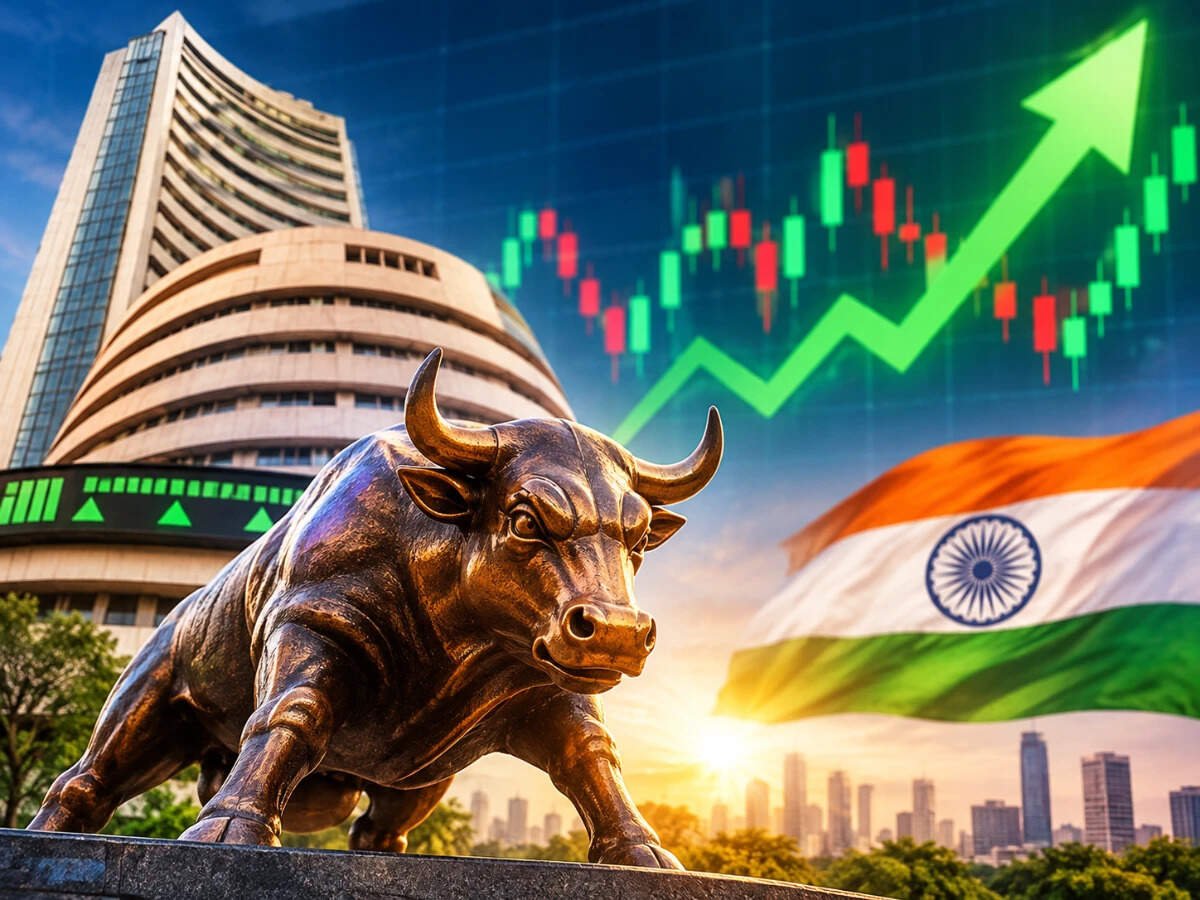
ET CONTRIBUTORS Synopsis Indian equities staged a sharp 9.7% rally in eight sessions through November 12, reversing months of underperformance.
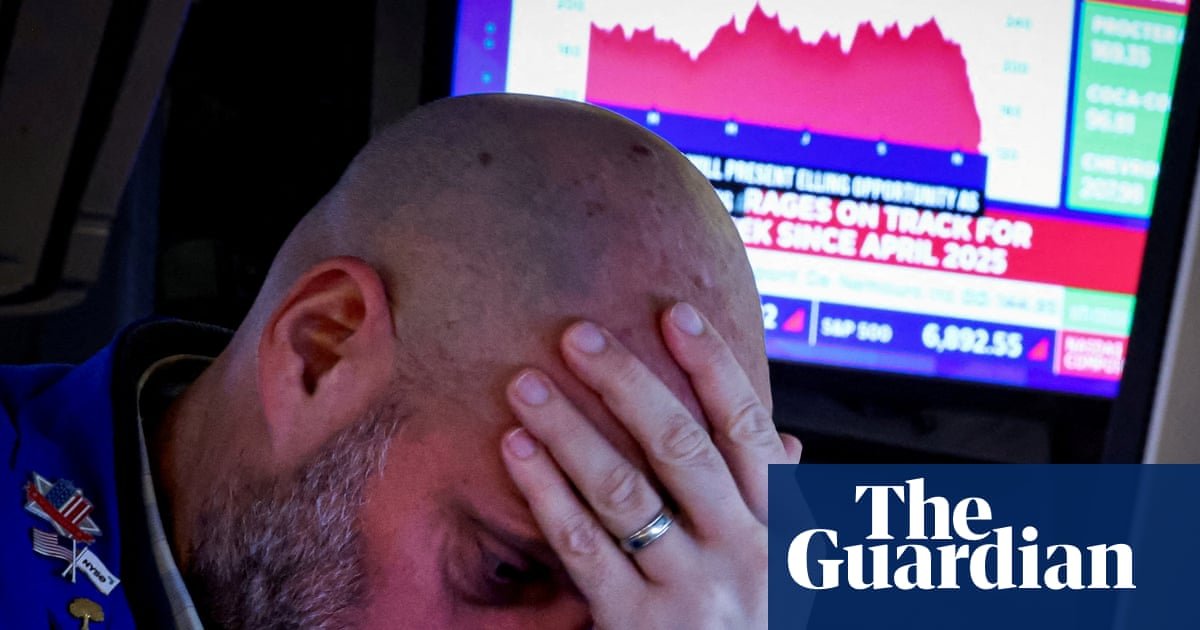
A sell-off in US AI stocks, triggered by Republican losses in the midterm elections and fears of tighter AI regulation, spilled across global technology markets.
Earlier, foreign investor outflows, elevated crude prices and rupee weakness had weighed heavily on Dalal Street sentiment.
By Dr.
V K Vijayakumar, ET CONTRIBUTORS Nov 23, 2026, 12:09:00 PM IST Follow us The stock market possesses an uncanny ability to surprise—and surprise it did, surging 9.7 percent in just eight trading sessions through November 12.
For months, Indian equities had languished among the world’s worst-performing markets.
Since February, FIIs had relentlessly pulled capital out of India in pursuit of greener pastures in the global artificial intelligence (AI) boom.
Simultaneously, elevated crude oil prices strained India’s trade and current account deficits.
The rupee slid to become one of emerging Asia’s weakest currencies, touching a low of ₹96.96 against the US dollar in May.
All stars seemed aligned against Dalal Street.ADVERTISEMENT Then, at the turn of November, a rare convergence of external and domestic triggers flipped the script.The Republican rout in the US mid-term elections, with Democrats, who want strict regulation of AI, securing majorities in both the House and the Senate, sparked a sell-off in US AI stocks.
The correction swiftly spilled over into other major tech hubs, including South Korea, Taiwan, and Japan.
As global capital rotated out of crowded technology trades in search of credible "non-AI" alternatives, India stood out.
FIIs—who had offloaded Indian equities worth $19 billion in 2025 and another $31 billion in 2026 through October—abruptly reversed course.
In just eight trading days through November 12, foreign funds turned aggressive buyers, pumping ₹73,565 crore into domestic equities.
Fundamental Tailwinds Beyond global liquidity rotation, improving domestic fundamentals suggest the rally has legs.
Brent crude has cooled below $95 per barrel, easing pressure on India’s external balances.
Consequently, the rupee has appreciated to around ₹94 against the dollar, further burnishing the appeal of Indian assets for foreign investors.ADVERTISEMENT More importantly, the rally is anchored by a tangible turnaround in corporate earnings.
The recovery that took root in Q1 FY27 gathered momentum in Q2, putting India Inc on track for a potential 15 percent earnings growth in FY27.
Together, robust economic expansion and reviving corporate profitability provide the fundamental bedrock needed to sustain foreign inflows.
With November poised to record all-time high monthly FII inflows, the bears are firmly on the back foot while the bulls call the shots.ADVERTISEMENT ADVERTISEMENT Red Flags on the Horizon Yet, even with the stars aligned in India’s favour, formidable risks could spoil the party.
A strong US dollar and elevated bond yields—with the 10-year US Treasury yield hovering above 5 percent—remain persistent headwinds for emerging markets.
With US consumer price inflation running at 3.7 percent, the Federal Reserve is widely expected to raise interest rates by 25 basis points each in December and January.Domestic inflation poses an equally pressing challenge.
India’s October retail inflation jumped to 6.09 percent, breaching the Reserve Bank of India’s (RBI) upper tolerance threshold.
To anchor inflationary expectations, the central bank will have to act.
Two more rate hikes of 25 basis points each—in December and February 2027—now appear inevitable, taking the terminal repo rate in this cycle to 6.25 percent.
Rising borrowing costs globally and at home pose a clear threat to equity valuations.ADVERTISEMENT Finally, a revival of the global AI trade remains a potent wildcard.
Tech and AI majors continue to post bumper profits, and the recent correction has rendered several valuations attractive again.
Should global funds rotate back into cheapened AI leaders, non-AI markets like India could be impacted again.For now, aggressive FII buying backed by improving corporate earnings should keep Dalal Street buoyant.
While looming rate hikes and a potential tech rebound warrant caution, the party looks set to continue—at least for the near term.ADVERTISEMENT (Dr.