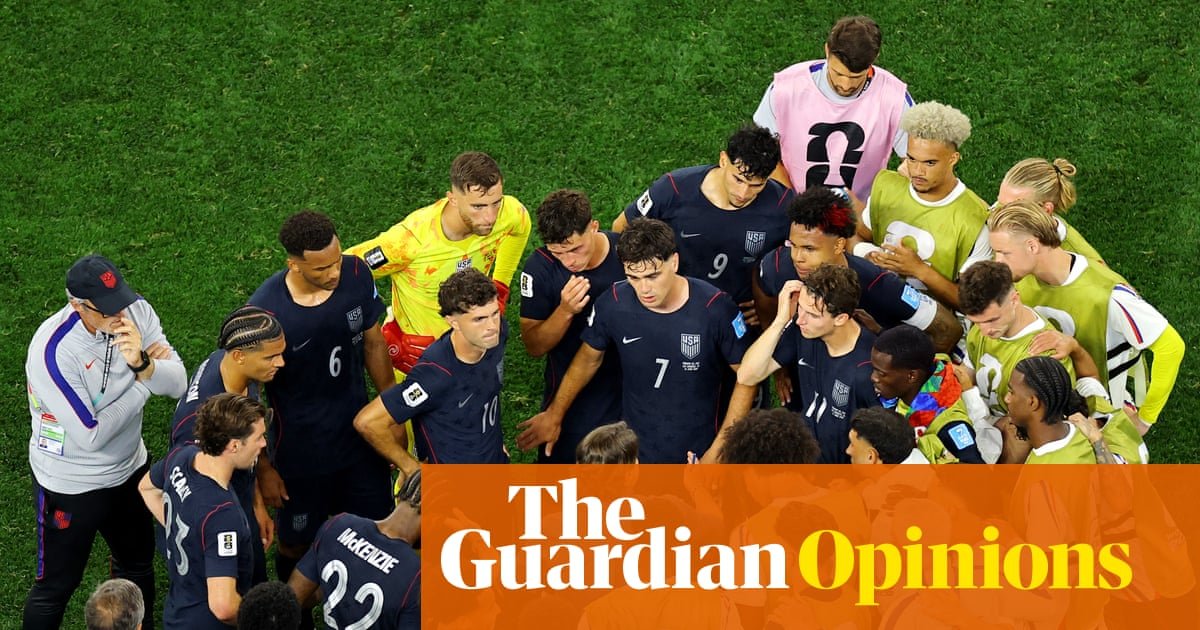
In Wednesday’s last-32 match, the US team have more than just a chance to win against Bosnia and Herzegovina. They’re playing to win over their country
It took Mauricio Pochettino a little while to understand that he had accepted an innately vibes-based job.
If club soccer boils down to managers exerting control and fitting their players into an intricate system, buttressed by cutting-edge tactics, ultra-modern analytics and first-in-class sports science, international soccer demands a different job entirely. And it tends to take long-time club coaches who are managing in the international game for the first time a bit to catch on to the difference.
Namely, that their new job description boils down to finding a simple tactical setup that fits a plurality of their best players, working out who plays well together and keeping their charges happy and healthy. Also: feisty.
In the US men’s national team job, however, there is a second priority: keeping the country interested.
On the first count, Pochettino diagnosed the vibes deficiency in the USMNT about six months into the job. That’s when the US faceplanted in the 2025 Nations League finals with a pair of losses to Panama and Canada.
Pochettino’s predecessor, Gregg Berhalter, had been told the year before by his senior players on the way to a humiliating group-stage exit at the 2024 Copa América that they desired more intensity from their coach. Berhalter would later admit that he’d let his squads get stale and relied on the same players too much, even when they weren’t performing.
What Pochettino surmised after the Nations League was that he had to push his players to rediscover that intensity within themselves.
“Being honest, maybe we didn’t feel or see [how] difficult the process [would be] … We were so naive,” Pochettino told reporters last week. “We misjudged the situation. It was worse than we really believed. … When we arrived here, we received a big bang, punch, and we were knocked out for a while. We said: ‘What the fuck?’”
So he spent the last year deconstructing and rebuilding a team that wound up being largely the same, but with its stars reawakened to the possibility of losing their places. And with everyone involved reenergized with an unrelenting eagerness “to fight”, as Pochettino likes to call it. Only then could he set about molding his players into a collective that could play Pochettino Soccer: pressing high and hard, haring forward in quick transitions, suffocating opponents with their energy, with their fight.
Which brings us back to the other task: the country.
We are a distractible people in a nation with endless stimuli, pinging between potential dopamine hits available absolutely everywhere you look. No culture in history has created so much content – never mind that most of it is dross. And without an inbuilt fixation on this team, the way the national elevens of so many other nations can count on, they must win the race for relevance anew every day.
Sure enough, their group-stage wins over Paraguay and Australia generated lots of excitement and energy. And then came the 3-2 loss to Turkey, which, meaningless though it may have been, let some air out of that balloon.
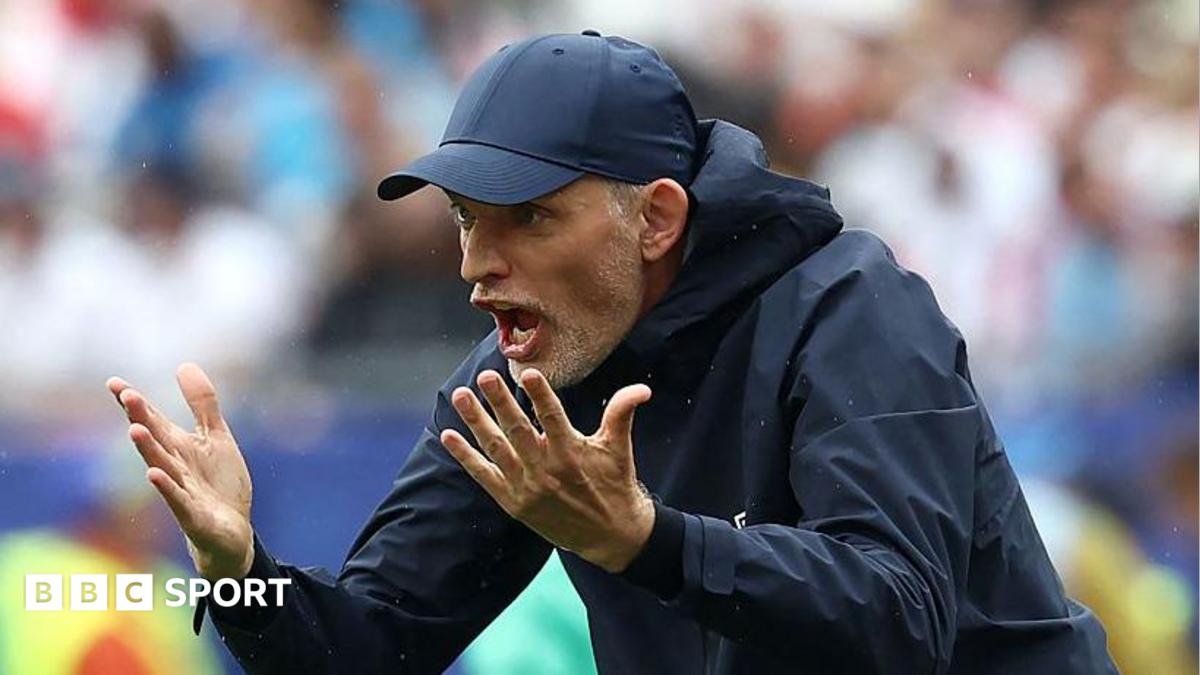
Pochettino, for his part, got cranky about the faintest hint that his judgment in resting almost all his starters for the final group-stage game might be questioned. He got a little tetchy, as he sometimes will. “I think it’s all positive, and I am so positive, and I am happy,” Pochettino said to the media. “Maybe I am not showing because your questions are a little bit weird.”
“No one congratulated us for finishing first in a very difficult group,” the Argentinian added, in comments he apologized for on Tuesday. “That is a little bit sad. I need to [remind] you and everyone that we won the group. You guys, we won.”
The players, meanwhile, didn’t think their velocity in this tournament had been arrested, either. And in the playing sense, that may very well be true. But all of this misses the point. The primary battle is for hearts and minds, and the trick is to create memories that cut through all the other stuff – like Mexican duck mascots, hopping Dutchmen, Croatian wedding crashers and kings and queens dancing in locker rooms.
That’s what’s at stake against Bosnia and Herzegovina on Wednesday. Progress to the next round, sure. And, certainly, the chance for this generation to live up to the potential we long suspected it harbored. Above all, the USMNT are in a contest for currency in the attention economy.
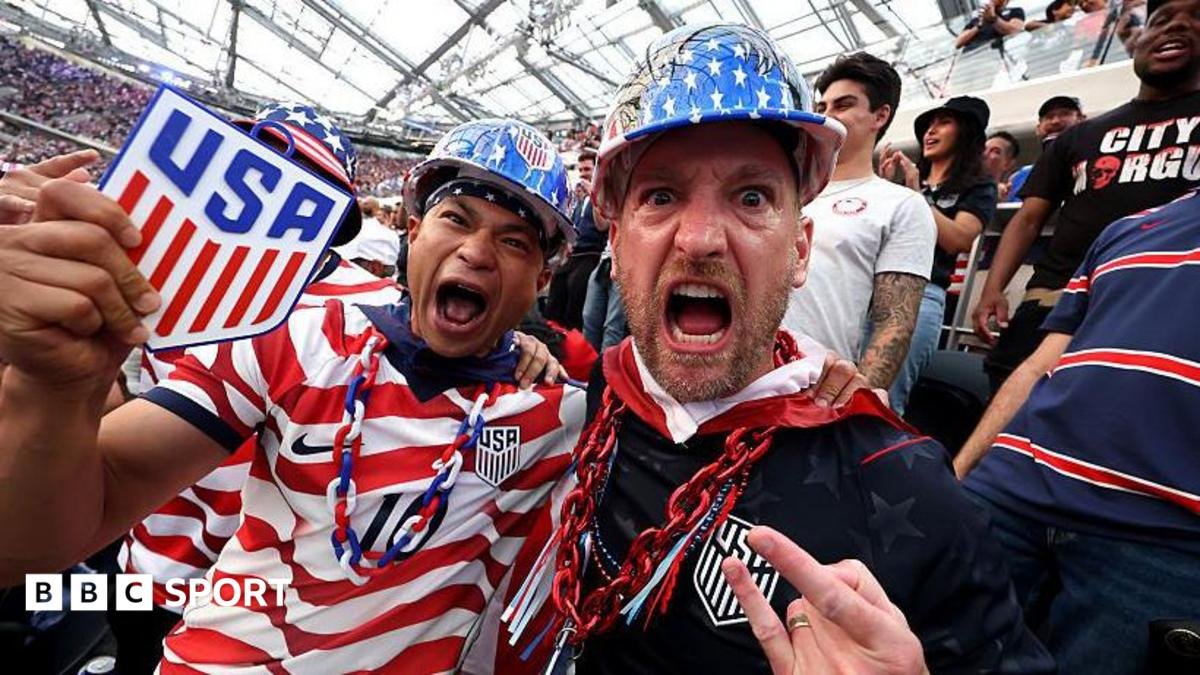
Because if the US are expelled from this World Cup on Wednesday, they won’t have crafted enough moments to really make this tournament count. One day, Brad Pitt and Leonardo DiCaprio and a raft of other A-listers are at your games, and the next, everyone may just move on. Their new bandwagon fans will forget and start paying attention to something else. The Americans have to keep playing to leave any kind of legacy, to hold the nation’s gaze a while longer.
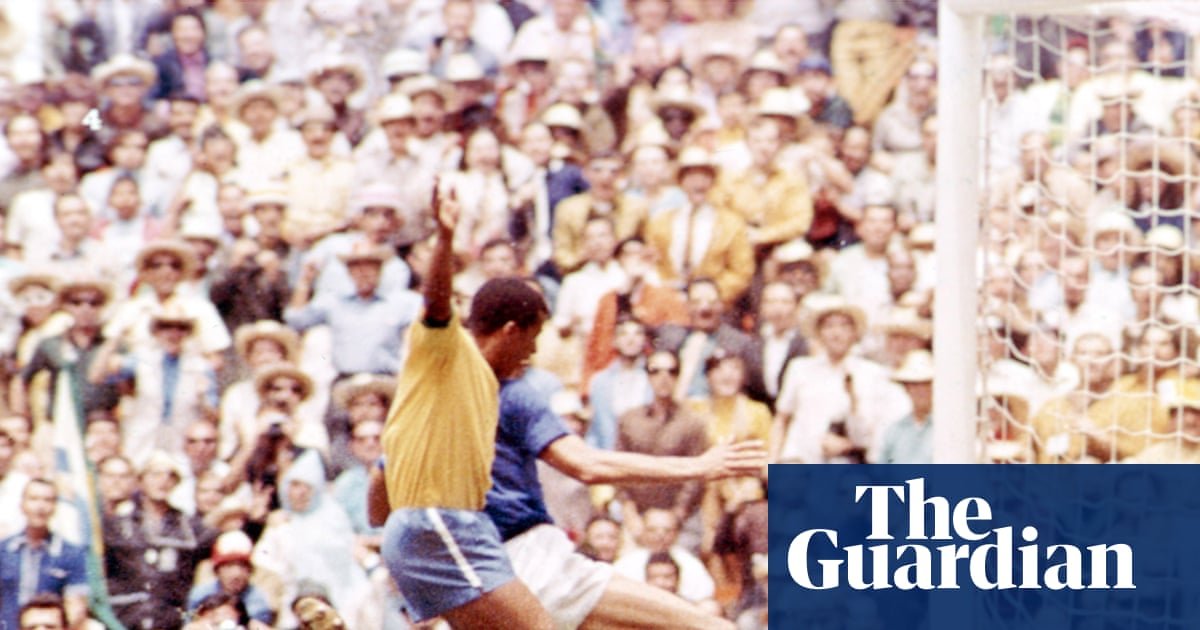
What made the 1994 World Cup transformational for the domestic game was less that the US made the knockout stage for the first time in 64 years but that they dragged the country along with them, infecting it with a diagnosable case of soccer fever. They earned the adoration of a nation that recognized itself in a band of barely-professionals who played eventual champions Brazil close before being knocked out. New household names were minted who, sort of concerningly, resonate to this day in the absence of replacements.
Those are the vibes that ultimately count.
Leander Schaerlaeckens is the author of The Long Game: US Men’s Soccer and Its Savage, Four-Decade Journey to the Top, or Thereabouts, which is out now. He teaches at Marist University.