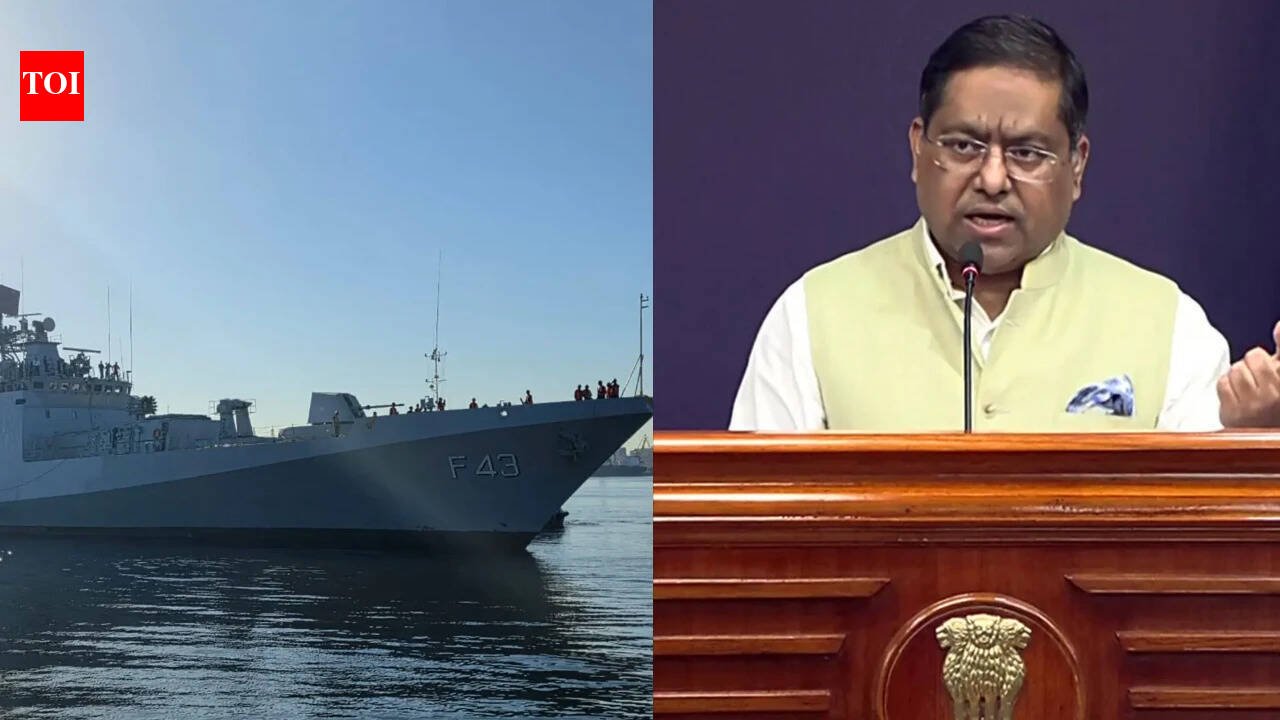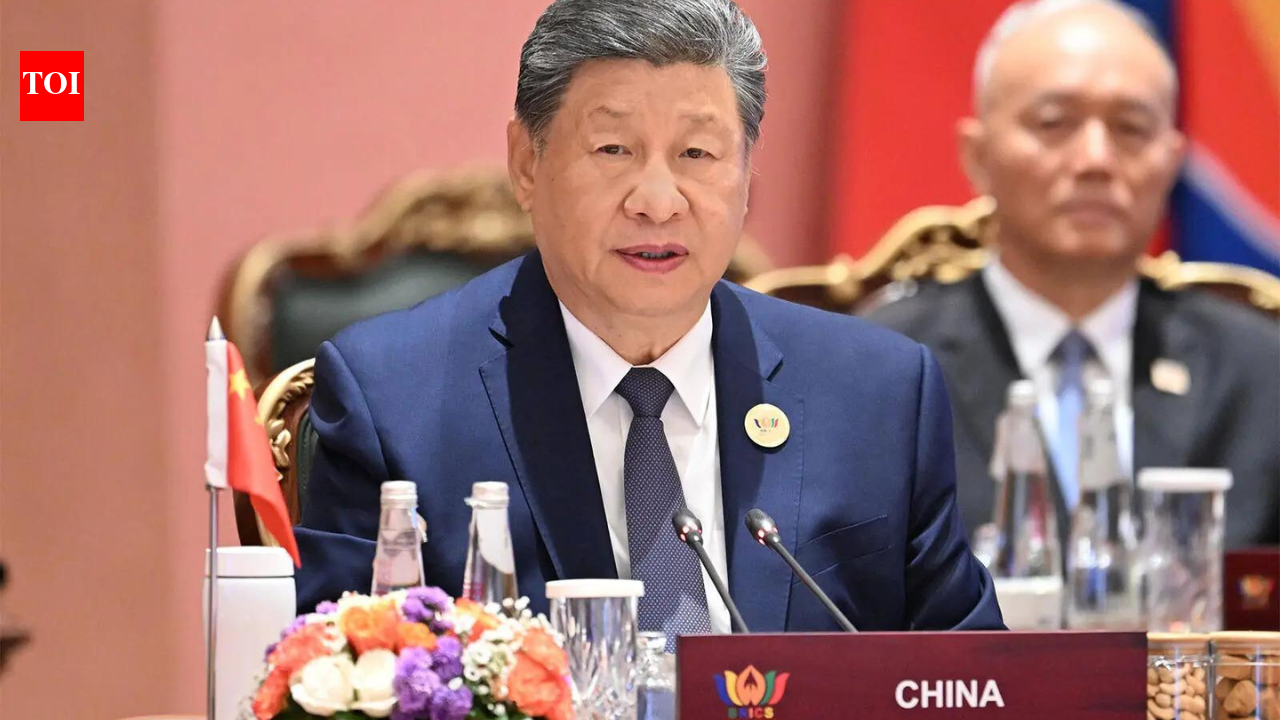
India rejects the so-called Pakistan-China Boundary Joint Commission NEW DELHI: India on Wednesday rejected the so-called Pakistan-China Boundary Joint Commission, saying it has no legal basis and reiterated that Jammu and Kashmir and Ladakh are integral parts of India.Responding to media queries, the ministry of external affairs (MEA) spokesperson said, "We have seen reports in this regard.
Our position on this matter is clear and consistent.
There is no boundary between Pakistan and China.
We reject the so-called Joint Commission, which is without any legal basis." Watch India’s Big Diplomatic Win, China’s Big Signal, And A Message For Pakistan I BRICS 2026 Declaration The MEA said the entire Union Territories of Jammu and Kashmir and Ladakh "have been, are and will always remain integral and inalienable parts of India"."Pakistan has no locus standi to enter into arrangements concerning Indian territory under its illegal and forcible occupation," it said.India also reiterated that it has never recognised the so-called "China-Pakistan Boundary Agreement" of 1963 and has consistently maintained that it is "illegal and invalid".Join conversation Share your thoughts in the comments Be respectful · TOI community guidelines "We resolutely oppose and reject any attempts to alter the status of these occupied territories or legitimise illegal occupation, impinging on India's sovereignty and territorial integrity," the MEA said.
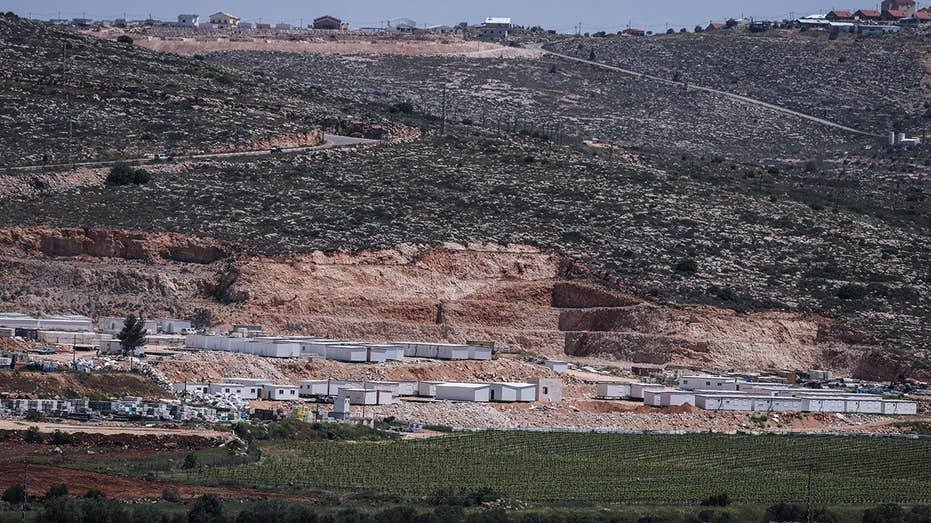
It added that any "so-called boundary cooperation" between China and Pakistan concerning Indian territories would be "completely unacceptable" and would have no bearing on India's sovereignty over those territories."Instead of engaging in such theatrics, we call on Pakistan to immediately vacate from areas under its illegal and forcible occupation," the MEA added.In recent years, China has maintained military pressure along the Line of Actual Control (LAC) with India, with border violations and unauthorised entries reported across all three sectors of the 3,488-km-long boundary between the two countries.The coordination between China and Pakistan along the border in the Karakoram region of Pakistan-occupied Kashmir, which stretches over 590 km, also impacts India's historical and legal claims over the area.