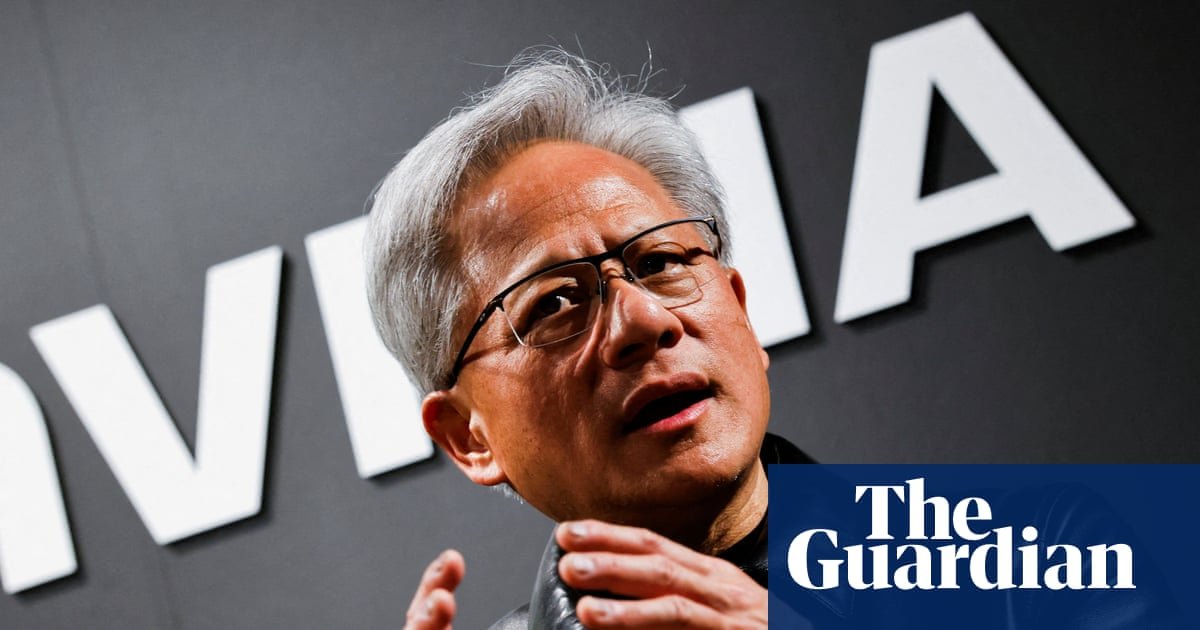
Bloomberg “India presents the largest, purest, and most liquid AI hedge in the world,” said Malcolm Dorson, senior portfolio manager of the Global X India Active ETF.
Synopsis Investors poured over $316 million into BlackRock’s iShares MSCI India ETF last week, its largest weekly inflow since June 2025, as AI-related volatility drove diversification away from technology-heavy markets.
Strong Indian equities, lower oil prices and improving earnings boosted sentiment, while foreign investors increasingly reversed their bearish positioning.
By Leda Alvim & Beatriz Amat, Bloomberg Nov 17, 2026, 09:36:00 AM IST Follow us Investors plowed cash into an exchange-traded fund that buys Indian stocks at the fastest pace in over a year last week, as the selloff around artificiall intelligence stocks pushed investors to diversify into other markets.ADVERTISEMENT The $6.8 billion iShares MSCI India ETF drew more than $316 million in fresh cash, its biggest weekly inflow since June 2025.
That marked a second straight week of inflows, bringing the total so far this month to more than half a billion dollars and underscoring investor appetite for markets that could serve as a hedge against the recent rout in technology shares.“India presents the largest, purest, and most liquid AI hedge in the world,” said Malcolm Dorson, senior portfolio manager of the Global X India Active ETF and head of its active investment team.
“After two years of significant underperformance vs.
Asia and EM, India is picking up momentum.” Technology shares have been in free fall this month as the Democrats’ sweeping victory in the US midterm elections rekindled fears that potential AI regulation could slow the sector’s growth.
Investors yanked $655 million from the iShares MSCI Taiwan ETF — the most on record — last week, as well as $208 million from the iShares MSCI South Korea ETF as the rout deepened.
Indian stocks have rallied 11% in dollar terms this month, outperforming the broader MSCI Emerging Markets Index, which is down 3.6% over the same period as technology shares in markets including Taiwan and South Korea tumble.Falling oil prices and an improving earnings outlook have also boosted the market’s appeal to global investors, providing additional tailwinds for Indian equities, according to Dorson.ADVERTISEMENT “Over 40% of the broader emerging-markets index is concentrated in semiconductors and technology hardware, with the vast majority of that exposure coming from South Korea and Taiwan,” said Dorson.
Foreigners have bought a net $9 billion of local shares in November, putting the market on course for its biggest monthly inflow in six years, according to data compiled by Bloomberg.
That has trimmed this year’s net outflow to $21.4 billion.ADVERTISEMENT ADVERTISEMENT The improvement is accompanied by a turn in sentiment among major strategists.
This month alone, Goldman Sachs Group Inc., HSBC Holdings Plc., Citigroup Inc. and Alpine Macro have all become more optimistic on India’s stock market.Elsewhere in emerging markets, the declines across Brazilian equities are continuing in the aftermath of Luiz Inácio Lula da Silva’s surprising victory in the country’s presidential election.
Investors pulled $193 million from BlackRock’s iShares MSCI Brazil ETF last week, extending a monthly exodus that has already seen nearly $700 million in outflows.ADVERTISEMENT Markets have been on edge since the leftist leader snagged a win on Oct.
25 as investors see him as less likely to narrow the government’s ballooning deficit.
Last week, the government unveiled a package of measures meant to shore up public finances and ease investor concerns about rising public debt, which is expected to be voted in Congress this week.Still, markets would need to see stronger commitments to fiscal discipline before adding risk back to Brazilian assets, according to Alejo Czerwonko, chief investment officer for emerging markets at UBS Global Wealth Management.
Investors remain “laser focused” on Lula’s cabinet appointments, particularly his choice for finance minister.ADVERTISEMENT Until then, Brazilian equities will remain an opportunistic trade rather than a long-term investment, he added.Stock ETFs expanded by $861.1 million.
Bond funds fell by $140.8 million.
Total assets rose to $522.2 billion from $511.4 billion.
The MSCI Emerging Markets Index closed up 3.2 percent from the previous week at 1,550.18 points.
India had the biggest inflow, of $502.7 million, led by IShares MSCI India.