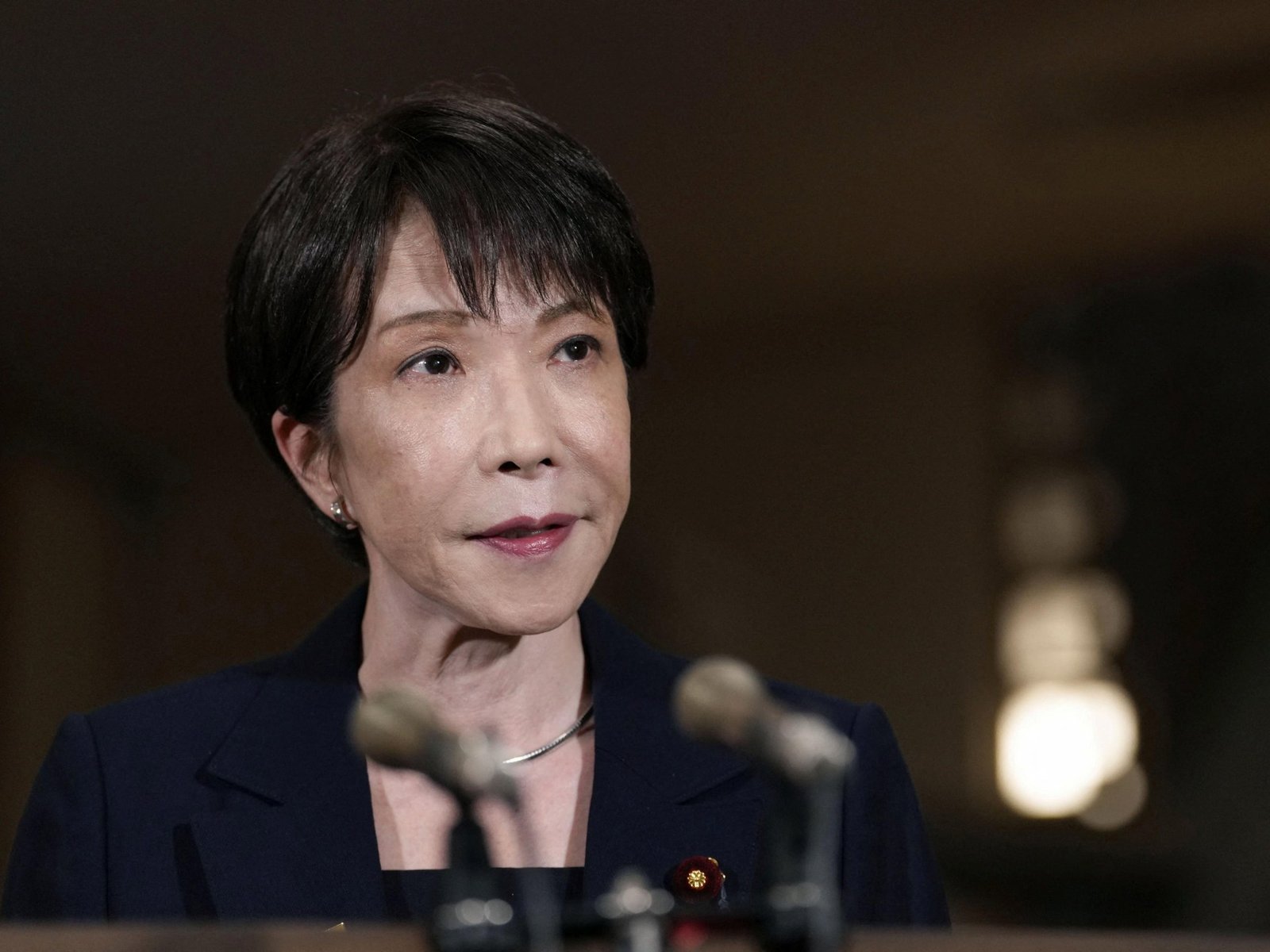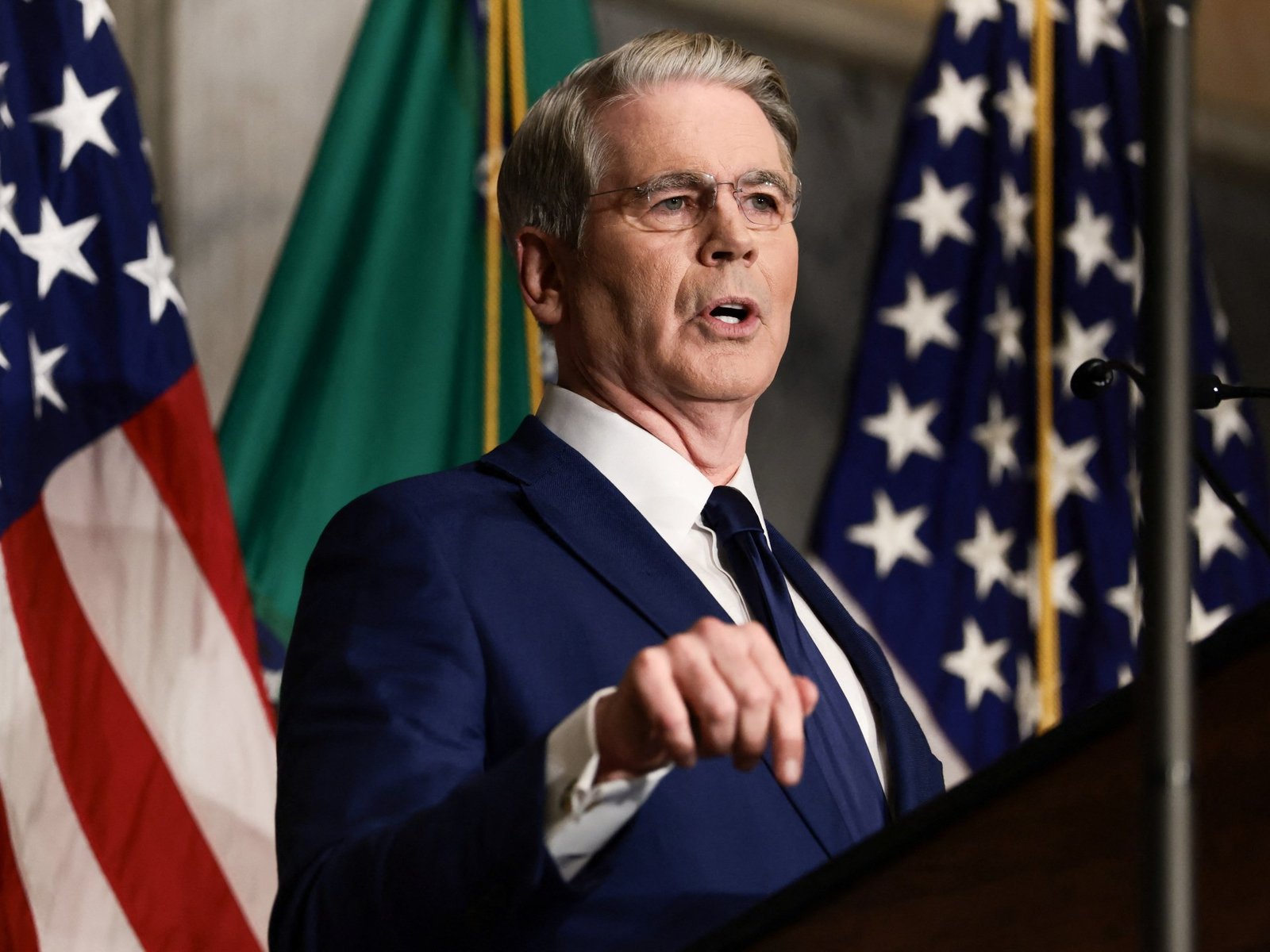
US Treasury Secretary Scott Bessent speaks during a press conference to outline further sanctions against Iran at the Treasury Department, August 24 [Evelyn Hockstein/Reuters] By Al Jazeera Staff Published On 24 Aug 202624 Aug 2026 US Treasury Secretary Scott Bessent has announced an economic pressure campaign against Iran, vowing to target Tehran’s financial interests across the world.
Bessent said on Monday that the US would target all of Iran’s sources of revenue, including oil, with the aim of preventing other countries and companies from doing business with Tehran.
“Around the globe, our objective is to sever every economic lifeline that sustains this tyrannical regime until Tehran stands alone,” he said.
He said countries around the world must choose between the US and Iran, stressing that the new campaign exposes Tehran’s trade partners to secondary penalties.
Bessent emphasised that “no one is above the reach of US sanctions”.
If countries and entities “facilitate transactions and are part of the ecosystem that turns Iranian oil into money, into repression, they will be targeted”, he said.
While the US did announce a new wave of sanctions against Iran, Monday’s campaign did not target any major international economic institution for dealing with the country.
Bessent framed the push as a strong warning for countries and companies across the world.
The campaign is dubbed “Operation Economic Outcast”.
Bessent also called it “economic D-day”, likening it to the Allies’ forces landing on French shores to push back against Nazi Germany during World War II.
Asked why the US is threatening Iran’s business partners instead of penalising them, Bessent said: “Well, we are giving everyone the opportunity to remedy bad behavior.
Why would I want to blow up the global financial system?” Advertisement His response underscores the risk that secondary US sanctions pose to the broader international economy.
The economic pressure campaign comes nearly six months into the war with Iran, after the US and Israel launched strikes against the country without direct provocation.
While US and Israeli attacks have killed Supreme Leader Ali Khamenei and several other top officials, they have failed to dislodge the governing system in Tehran.
Tehran has responded to the US and Israeli strikes with missile and drone attacks across the region.
It has also largely shut down and asserted control over the Strait of Hormuz, a major artery for global energy, sending oil and gas prices soaring.
Multiple rounds of fighting and diplomacy have failed to resolve the crisis.
Monday’s sanctions push is the latest effort by the US to pressure Iran to make major concessions, including giving up its nuclear programme and ceasing attacks on vessels in Hormuz.
In April, the US announced a blockade on Iranian ports, but Iran has remained defiant despite the naval siege.
“The blockade has clearly hurt Iran, especially its oil exports, but it hasn’t produced the political outcome Washington wants.
Iran hasn’t capitulated,” Sina Toossi, a fellow at the Center for International Policy, told Al Jazeera.
“Hormuz remains heavily disrupted, and the costs to the US and global economy are mounting.
So, ‘economic D-Day’ looks like an effort to intensify the pressure now that the military campaign has failed to deliver a decisive outcome.” Bessent said US President Donald Trump has been making calls to world leaders “with specific requests to cease their interaction with the regime”.
“Those who stand with the United States will reap the rewards of our partnership.
Those who tether themselves to the Iranian regime should expect to share in the isolation,” he said.
The US officials said new sanctions will target “five of Iran’s most vital lifelines”: digital assets, technology, gold, aviation and shipping.
The US Treasury also imposed fresh sanctions on 60 entities, vessels and individuals across the world – including in the United Arab Emirates, Hong Kong, China, Singapore and Switzerland – accusing them of enabling the “Iranian regime’s recklessness”.
On Sunday, Iranian Foreign Minister Abbas Araghchi dismissed US pressure, stressing that economic sanctions against Iran are nothing new.
“They cannot think of any other solution in confronting the great Iranian people, so they repeatedly put forward the same old plans,” Araghchi said.