Once again a mispriced share price created opening for US raiders to rush in
US private equity firm Apollo enters easyJet bidding war
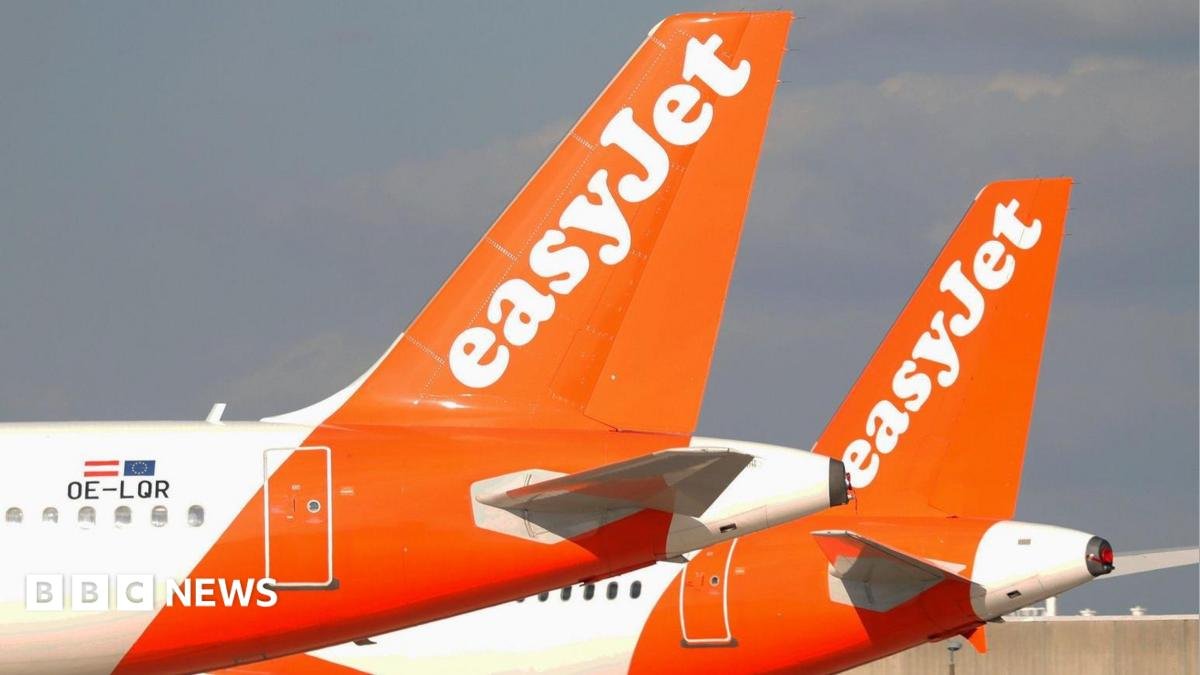
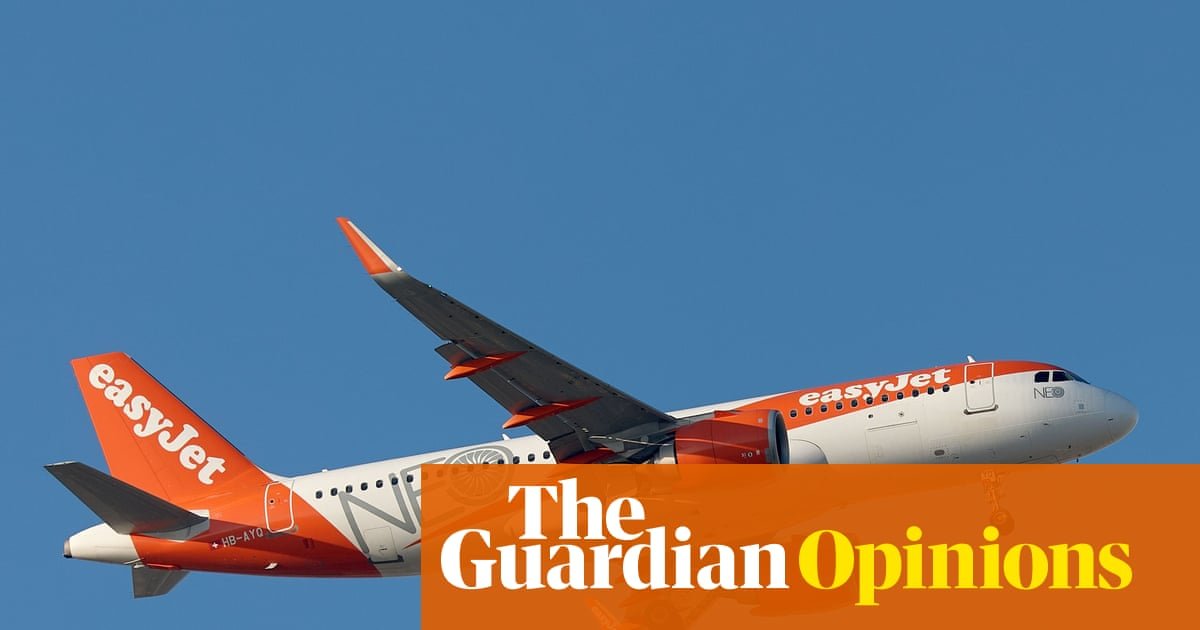
Will any remaining bidders for easyJet please make their way to the boarding gate? In reality, we’ve probably seen the whole cast at this point because the arrival of US private equity firm Apollo, trumping Castlelake’s offer, is a surprise. But the outbreak of a competitive auction will come as a relief to easyJet’s board.
For all the fake drama of Castlelake’s five offers, it was an act of timidity on the part of the easyJet chair, Sir Stephen Hester, to surrender at 690p, as argued here earlier this week. Apollo’s 715p, or £5.7bn, is only 3.6% more but at least the first digit is less embarrassing and there is always a chance Castlelake comes back for another go.
Apollo, though, would still be a heavy favourite if there’s more action. First, its approach came with a more direct appeal to founder Sir Stelios Haji-Ioannou, who remains a presence in the cockpit not only on account of his family’s 15% shareholding but also because of the brand licence agreement via which the airline pays a small percentage of its revenues to his private firm for use of the “easy” name. Apollo says it will continue the arrangement and seek to boost easyJet’s revenues. Castlelake is free to say the same – but its plans are hazier so far.
Second, Apollo is simply a bigger beast when it comes to buying and owning companies. Castlelake, a private credit fund with $38bn of assets under management, isn’t small but its traditional line of business in the airline game is financing and leasing.
Both offers come with the important asterisk that they have to comply with EU ownership rules that require at least 50.1% of ownership and control to sit within the region, which implies more than allowing undefined “eligible” shareholders (looking at Sir Stelios, presumably) to roll over their holdings into a private vehicle. But the fact that two US firms, or their lawyers, think it can be done boosted the market’s confidence that a deal will happen. All the same, Hester would be wise to insist on a chunky break-fee in easyJet’s favour in case EU regulators don’t accept the legal fancy footwork.
But an exit from the stock market is the way to bet. That outcome is a shame because easyJet, despite a share price that was depressed even before the outbreak of the Iran conflict that affected all airlines’ valuations, is not a crisis-ridden entity in need of a rescuer.
The asset backing is solid thanks to 208 aircraft owned outright, others on order at a time when supply is constrained, and landing slots at good airports, especially Gatwick. And the “medium-term” target of £1bn-plus of pre-tax profit, versus £665m last year, is still in reach, Hester keeps saying.
Indeed, a notable feature of Apollo’s offer was how little it says it would do differently. The new bidder says it “believes in easyJet’s existing strategy of evolving and strengthening the low-cost model” and thinks ambitions “can be substantially accelerated via the access to incremental capital”. Possible translation: if stock market investors haven’t got the appetite for easyJet’s heavy capital expenditure to renew its fleet in the next few years, Apollo is happy to take the risk because the business model is still attractive.
This takeover tale, sadly, is familiar on London’s low-octane market: a mispriced share price created the opening for US raiders to rush in. The only consolation is that there are now two of them to provide some tension in the bidding.