The U.S. and Iran held technical talks in Doha on Wednesday (July 1, 2026) as they seek to agree on the flow of shipping through the Strait of Hormuz and secure a lasting ceasefire, a source with direct knowledge of the talks and an Iranian official said.
U.S.
President Donald Trump’s son-in-law Jared Kushner and envoy Steve Witkoff met the Prime Minister of Qatar — a mediator in the talks alongside Pakistan — to lay the groundwork for the negotiations, but would not be attending the discussions themselves, the source with direct knowledge of the talks said.
In the Strait of Hormuz, Iran draws its red lines The talks are based on a 14-point interim accord signed last month that was meant to halt the war that began with U.S.-Israeli strikes on Iran in February and reopen the Strait of Hormuz, whilst setting up 60 days of negotiations for a permanent peace deal.
However, the U.S. and Iran have sparred publicly over the meaning of the interim pact, leading to tit-for-tat strikes over the past week.
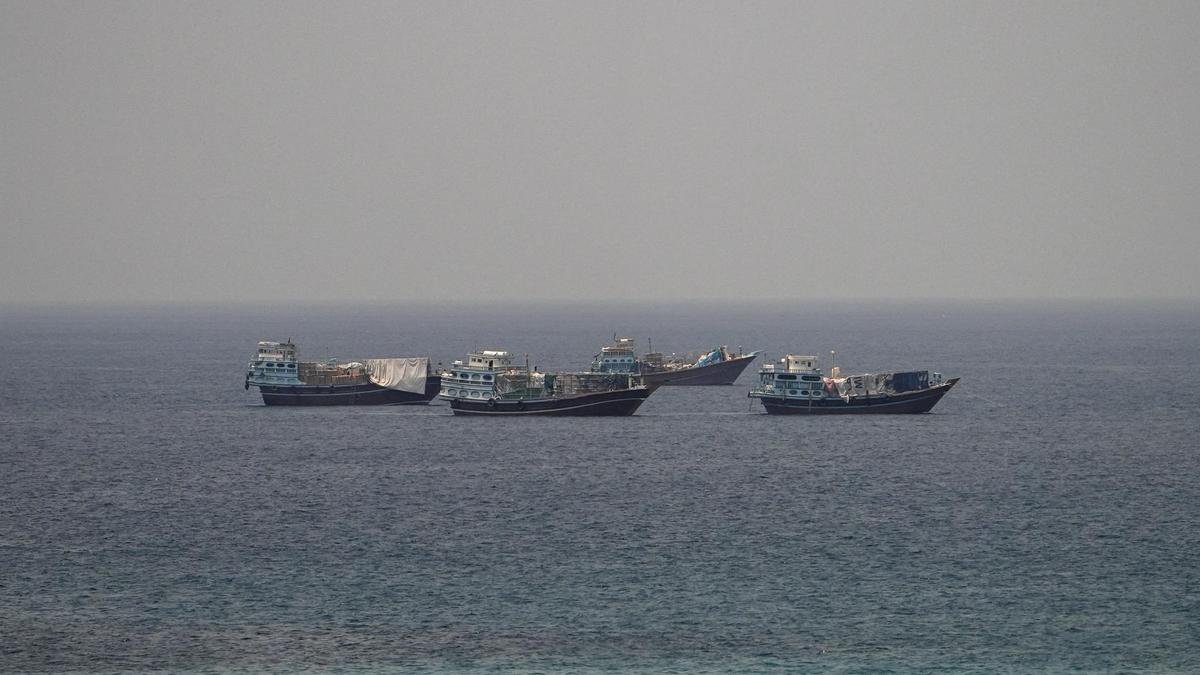
Iran is determined to win international recognition of its control over the strait and its ability to levy fees on ships entering or leaving the Gulf even if it has to do so by force, two senior Iranian sources said on Wednesday (July 1, 2026) Traffic has partially resumed through the strait, which handled one-fifth of global oil and liquefied natural gas trade before the war.
Focus on Hormuz, frozen assets The talks in Doha are structured as sessions between chief negotiators and specialists, the source with knowledge of the talks said.
They began on Tuesday night and were continuing on Wednesday (July 1, 2026), said the Iranian official.
Can neutral ships be lawfully attacked?
Iran has stated publicly that its priorities include agreeing on management of the strait and the release of $6 billion in Iranian frozen assets, and the Iranian official said the current round of discussions would focus on those two issues.
The stated priority of the U.S. is to ensure the free flow of traffic through the strait, the source with knowledge of the talks said.
Iran’s state media said on Wednesday (July 1, 2026) a foreign container ship had run aground in the Strait of Hormuz after entering shallow waters outside the shipping route designated by Iranian authorities.
“Hormuz continues to reopen, but it’s patchy, unpredictable, and not fully transparent,” said Vandana Hari, founder of oil market analysis provider Ms.
Vanda Insights.
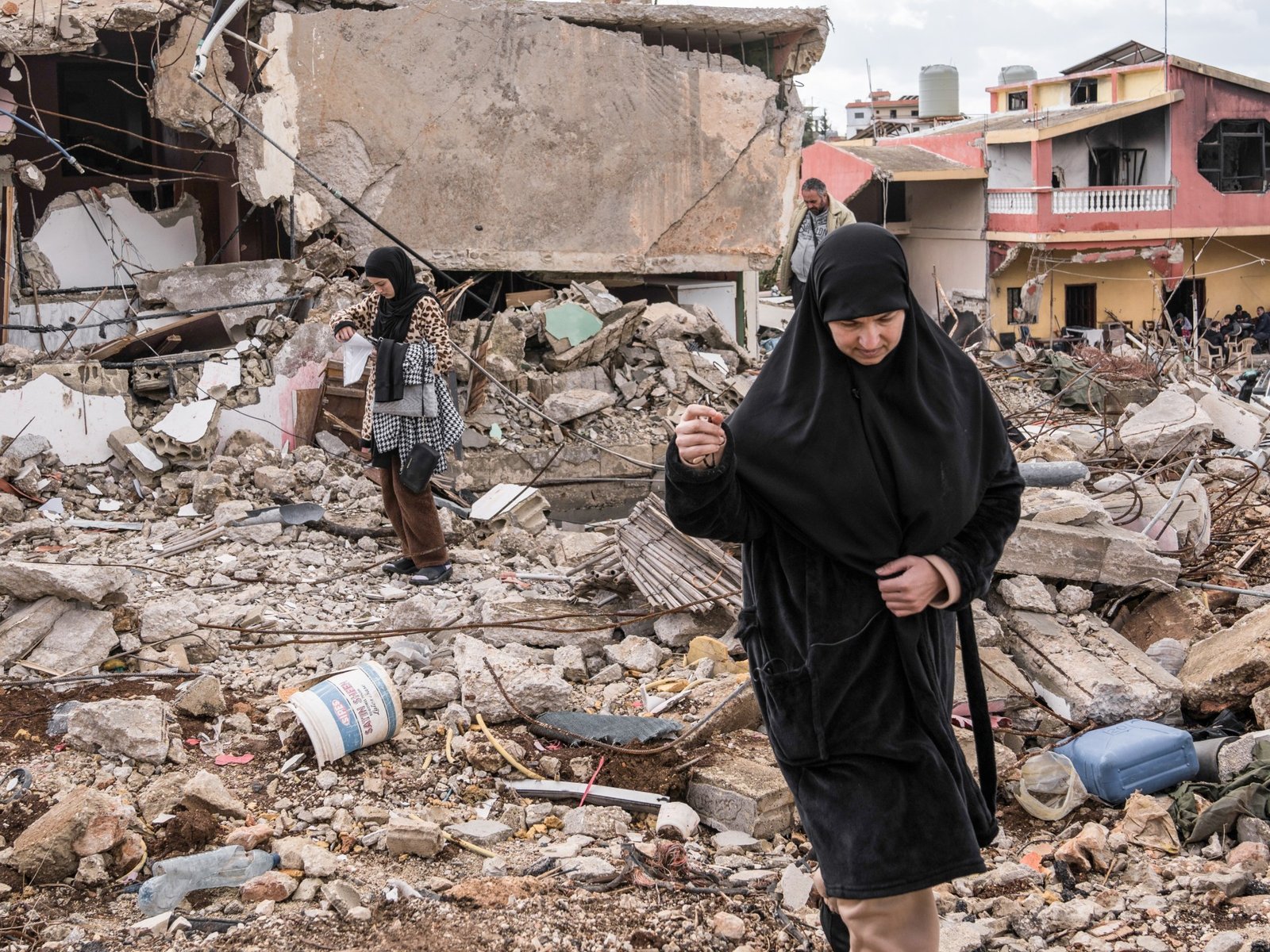
The war triggered Iranian attacks on Gulf states hosting U.S. military bases and killed thousands of people, mainly in Iran and Lebanon, as well as pushing up oil and fuel prices.
DGS withdraws restriction on the movement of Indian ships in the Strait of Hormuz Oil prices edged higher on Wednesday, after falling in previous days when the Iranian and U.S. strikes and counter-strikes were halted.
The interim deal between the U.S. and Iran also provides for an end to the conflict between Israel and Iran-backed militant group Hezbollah in Lebanon.
The U.S. has backed a separate track of talks between Israel and Lebanon’s government, which produced a framework security deal that Hezbollah has dismissed and analysts warn could entrench a stalemate in Lebanon.
There had been intensive diplomatic activity on Lebanon between parties, including the U.S., up to Tuesday (June 30, 2026) evening, the source with knowledge of the talks said.