June’s CPI reading outdid economists’ forecasts of a slide from 2.8% in May to 2.7%, amid a fall in the prices of fuel, particularly diesel.
8% in May to 2.7%, amid a fall in the prices of fuel, particularly diesel.
6% in lift for Andy Burnham Annual June figure comes after new PM pledges to reduce cost of living and improve economy Business live – latest updates UK inflation dropped by more than expected in June to 2.6%, in a boost for Andy Burnham’s plans to reduce the cost of living.
The new prime minister has pledged to bring down the cost of living to give households more disposable income and improve the outlook for the economy, announcing a winter VAT cut on electricity bills and lowering the cap on bus fares in England.
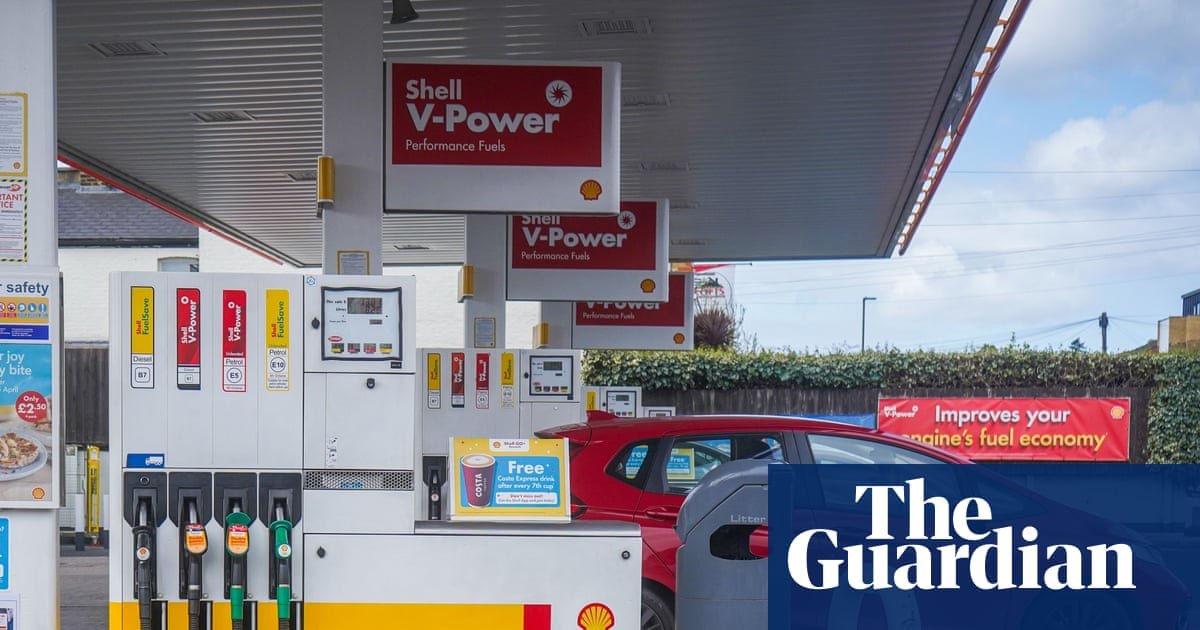
Last month’s consumer prices index reading outdid economists’ forecasts of a slide from 2.8% in May to 2.7%, amid a fall in the prices of fuel, particularly diesel, helped by the unstable truce in the Middle East conflict.
The Office for National Statistics said clothing also dropped in price month on month along with the cost of transport and food, offsetting modest price increases in most other goods and services.
Grant Fitzner, the ONS chief economist, said: “Food prices fell this month, driven by products including chocolate, margarine and beef.
Clothing prices also fell with the start of summer sales, with bigger discounts than last year.
“The cost of raw materials dipped for the first time since January, mainly due to the lower price of crude oil, while the increase in the costs of goods leaving factories slowed again.” Graph showing UK inflation rate from before 2018 to June 2026However, analysts pointed out the reprieve is likely to be temporary, with the recent escalation of hostilities in the Middle East pushing the price of Brent crude back up above $90 a barrel this week.
The National Institute of Economic and Social Research (Niesr) said it expected inflation figures in the second half of the year to worsen, reflecting a 13% rise in the energy price cap from the start of July and the deteriorating situation around Iran.
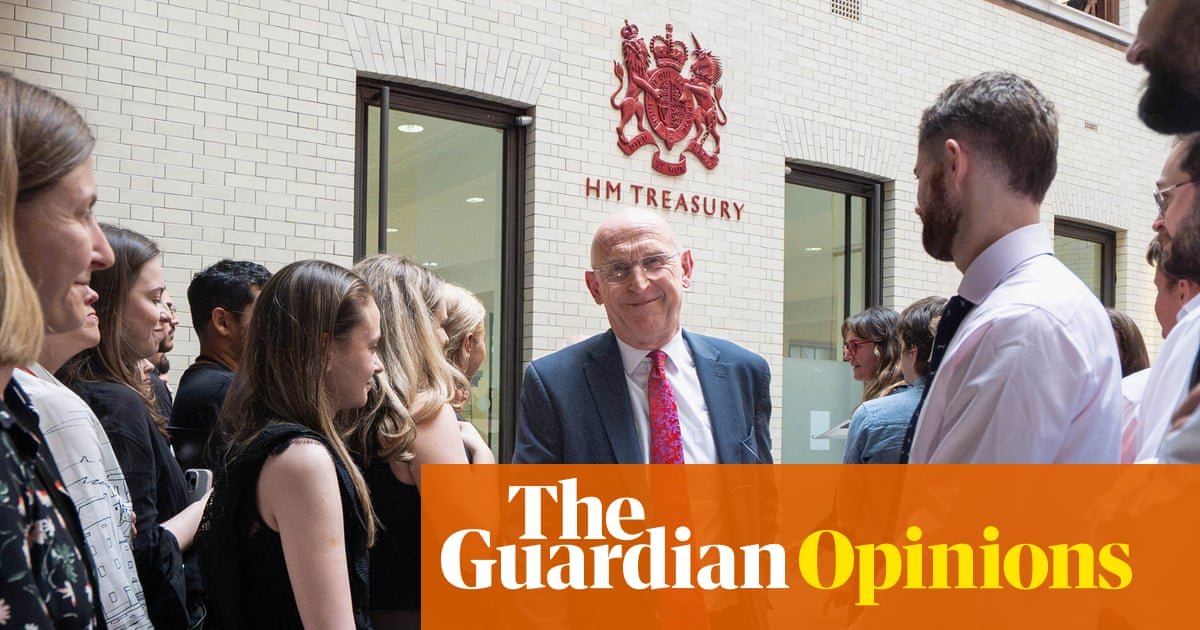
The new chancellor, John Healey, said the drop in prices growth was “news families want to hear” but that “there is much more to do to give people the breathing space they need”.
He added: “That is why yesterday we cut VAT on electricity bills and today we’re announcing a £2 cap on bus fares from January.
We have chosen to focus on the cost of living in our first week, signalling that concern for working people will be at the heart of everything we do.” The shadow chancellor, Mel Stride, blamed the government for the fact inflation remained above the Bank of England’s 2% target.
“Labour’s tax hikes and reckless borrowing stoked inflation, and Andy Burnham has already made billions of pounds of spending commitments without any plan to pay for them,” he said.
Joe Nellis, the economic adviser at the accountancy firm MHA, said the fall in inflation to 2.6% marked “a welcome piece of good news for the incoming prime minister and his chancellor as they look to set out their policy agenda”. skip past newsletter promotion after newsletter promotion Nellis, an emeritus professor at Cranfield University, added: “The escalation of tensions in the Middle East in February led to fears of inflation spiralling out of control, as supply chains were disrupted and oil prices surged.
“However, while inflation has remained consistently above the Bank of England’s 2% target, it remains far below expected levels – in its world economic outlook published in April, the IMF [International Monetary Fund] predicted inflation to head towards 4% by the end of the year.” Concerns that the Bank could increase interest rates later this month are likely to ease.
Several members of the central bank’s monetary policy committee have said they are worried about inflation running persistently above target unless they push up interest rates from their current 3.75%.
Charlotte O’Leary, an associate economist at Niesr, said: “Next month’s data will uncover the impact of the long-awaited increase in Ofgem’s energy price cap, and with hostilities in the Middle East intensifying, putting wholesale energy prices under pressure again, we anticipate the October cap will remain elevated as we enter cooler months.
“A cut in household electricity VAT may alleviate some upward pressure later in the year, but its impact is likely to be limited, particularly as energy prices continue to feed into production.
“Overall, we forecast inflation to begin an upward trajectory from July through the first quarter of next year.
With nominal pay growth continuing to cool, we expect limited spillover from higher inflation into wages, giving the Bank of England room to hold rates once again.” Explore more on these topicsInflation Economics Andy Burnham Cost of living crisis Bank of England Monetary policy committee Interest rates news Share Reuse this content