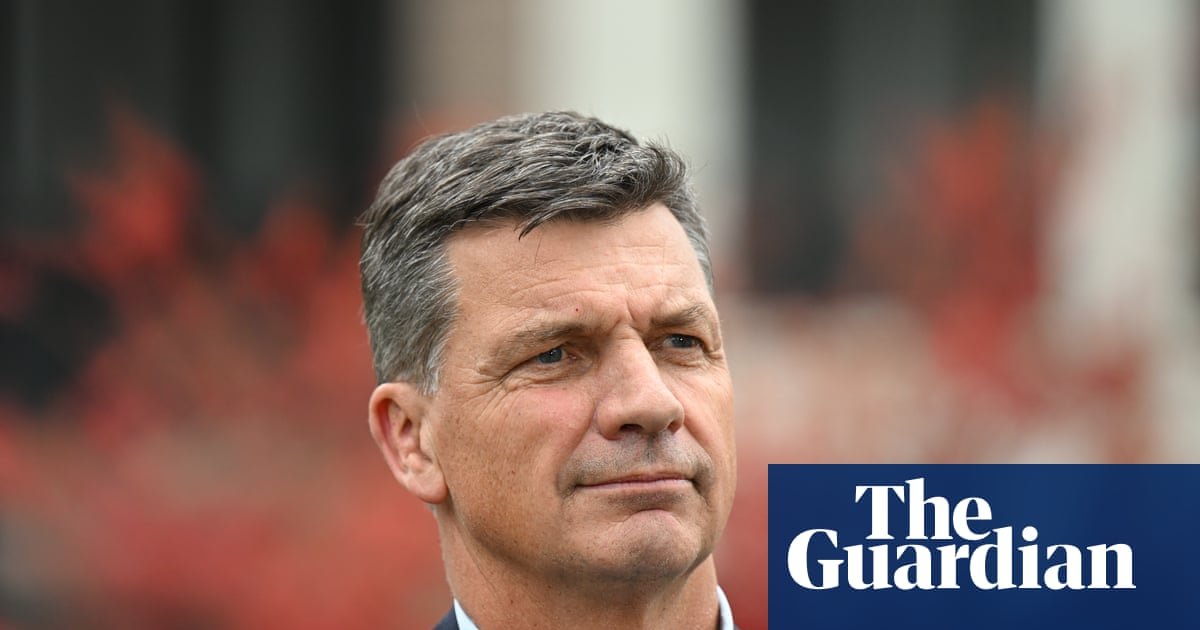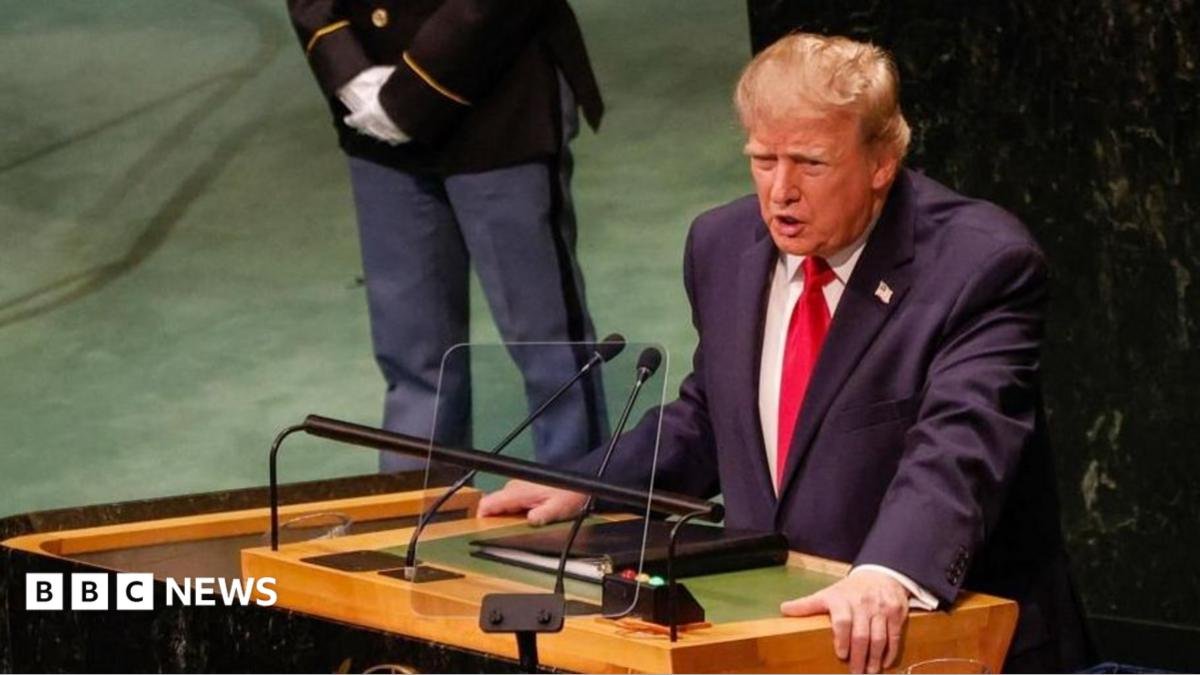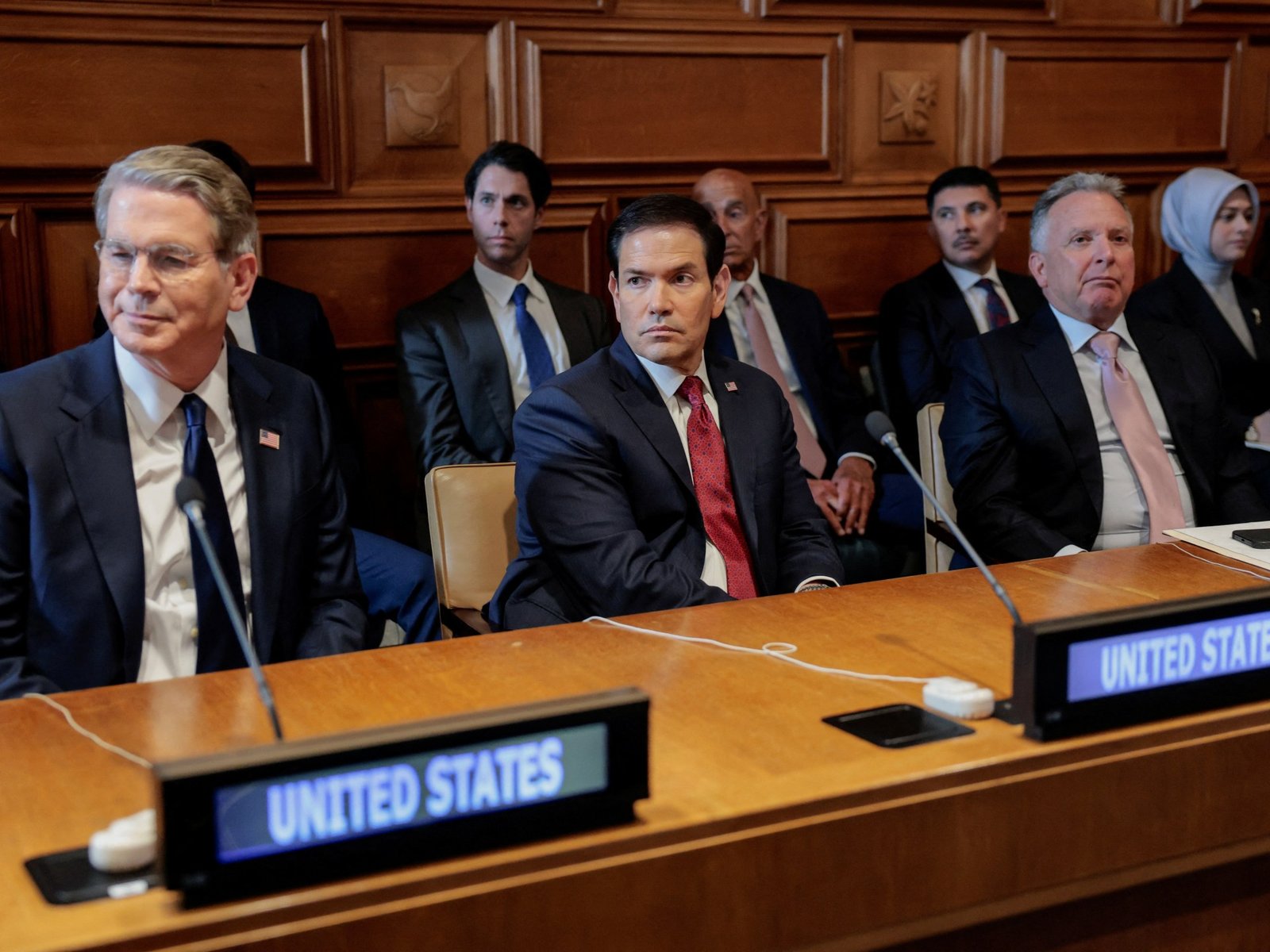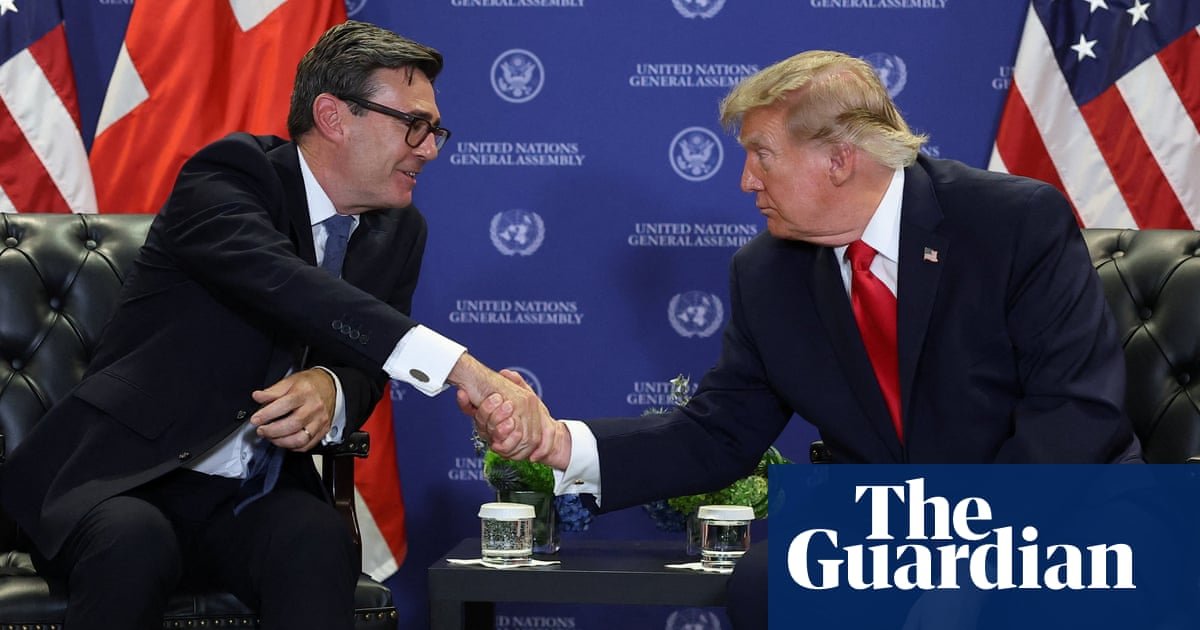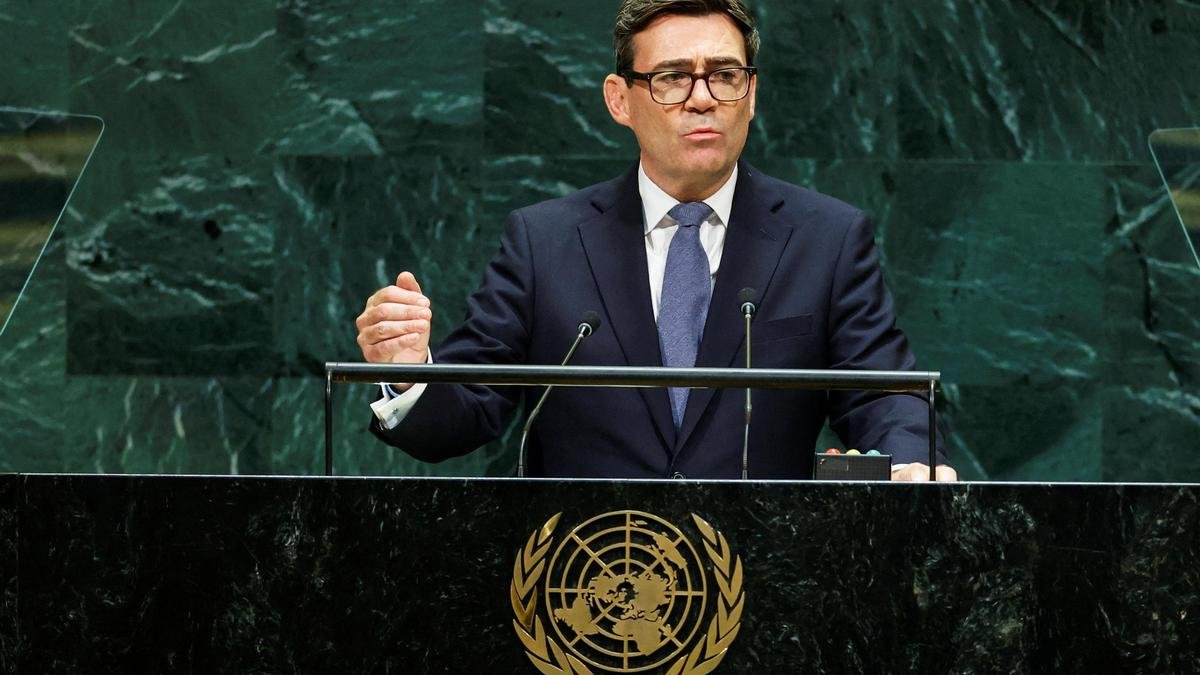
UK Prime Minister Andy Burnham told the United Nations that Britain was ready to lead an international effort to establish AI standards, citing concerns that the technology could outpace safeguards and pose mounting national security risks.
“We’ve all heard the warnings – which we must heed,” he said in his inaugural speech to the United Nations General Assembly.
“I know how worried people are.
So we have to rise to this moment.” At his first multinational meeting in New York as Britain’s seventh prime minister in a decade, Burnham made his support for AI the focus of his bid for Britain to assume a role on the global stage, rebuilding its diplomatic status.
He has said that rather than become a “doom-monger” about AI, he wanted Britain to pursue the huge benefits it could bring while being clear about the risks, which range from safeguards failing to keep up and hostile actors using it to wage an information war.
Watch: UK PM Andy Burnham backs Israel against threats, rejects actions in Gaza “Russian agencies have used every means at their disposal to spread lies and disinformation and prey on people’s fears,” he said.
“They’ve used bots and fake websites.
Falsified newspaper articles.
Forged the branding of 28 British organisations – including universities and the BBC.
They’ve amplified far right narratives.
And we have evidence that they tried to interfere with the 2019 General Election.” Russia has rejected the allegations.
Burnham said he would position Britain as an “honest broker” to take a leadership role, citing its close US ties, improving EU relationship and decent relations with China and India.
.
Trump says U.S., Iranian officials met, shortly after warning he may 'annihilate' Iran In discussions with AI leaders, officials have made clear Britain expects full and total visibility of new frontier models to strengthen the UK’s preparedness and resilience, his office said.
Burnham said fundamental decisions on AI had to be taken by elected governments, not left to tech companies, and he would put AI at the heart of Britain’s presidency of the G20 next year.
“We will work towards agreeing a single set of global principles and standards to ensure the transparency and access we need to increase our preparedness – and to ensure that AI development is safe,” he said.
Burnham announced a new National Centre for Information Defence to detect, attribute and disrupt hostile state information attacks and identify deepfakes damaging British interests.
“Today I am tasking our security chiefs to begin work on a new National Centre for Information Defence – to detect, attribute and disrupt these kinds of hostile state information attacks – to support and defend our democracy,” he said.