Trump administration has gutted regulations that protect lives and natural resources as pipeline build-out continues
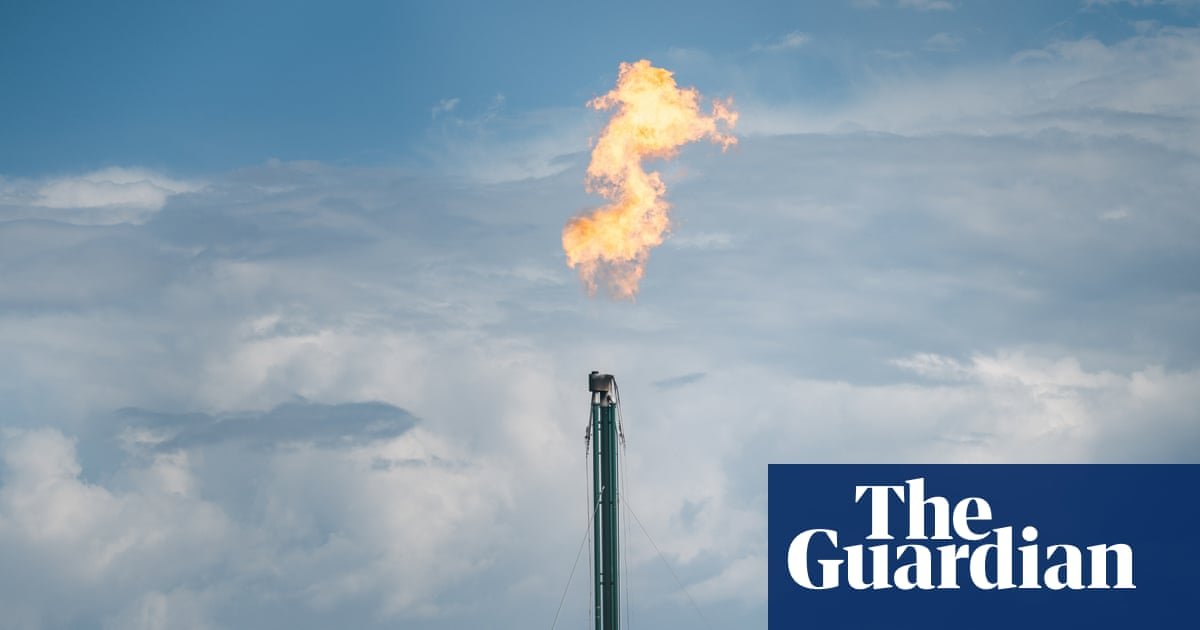
Datacenters are spurring a boom in fossil fuel pipeline projects at a time when the Trump administration is gutting rules that protect from disasters along the lines, a new review of federal records shows.
The report, compiled by the Environmental Integrity Project, also found pipelines are being built to meet demand for natural gas exports fueled by wars in Ukraine and Iran. Federal records identified almost 200 pipeline projects that are proposed or in the works, and would collectively span 17,000 miles (27,000km).
Not only has the Trump administration targeted laws that protect the environment and human health from pipelines’ risks, it has also pledged not to enforce regulations around them, the report adds.
The findings bring into focus a little-considered environmental threat in artificial intelligence and datacenter proliferation – the US already records about 1.7 pipeline accidents, spills, fires or explosions per day, and these projects would almost certainly lead to more.
The pipelines could help supply the at least 98 gas-fired power plants proposed to serve datacenters, and, if all the lines are completed, they would transport about 40% more natural gas daily than what the system carries today.
“This is the largest boom in a couple decades … and it coincides with all this deregulation,” Alexandra Shaykevich, research manager with the Environmental Integrity Project, said. “That’s concerning because the pipelines do usually operate safely, but they can leak and explode, and so there are big risks for communities across the United States.”
Most of the pipelines would carry natural gas across 42 states, though many of them are concentrated in several fossil fuel-producing regions. About 42 are in or cross Texas, 27 are in Louisiana, and nine each are in Pennsylvania and Illinois.
Advocates say they’re especially worried because of the wide-ranging attacks on foundational environmental protections, from the Clean Water Act to the Endangered Species Act, that until recently have been wielded to stop the riskiest projects, protect from accidents or hold polluters accountable.

The report states that over 25% of the projects have requested an expedited environmental review, and the administration is largely using legally dubious mechanisms to push them through, like invoking the “energy emergency”. That has accelerated permit approvals, reduced the scope of environmental studies, and limited public and community input, the report alleges.
Meanwhile, the administration has used the Defense Production Act to push through projects over the objections of states. In March, it jump-started the Santa Ynez oil pipeline in Santa Barbara, California, despite the state shutting it down in 2015 following a major spill that harmed about 150 miles (240km) of coastline. The act is also being used to attempt to ram through controversial plans for the 125-mile (200km) Constitution pipeline that would run from Pennsylvania to upstate New York, which the latter has opposed.
The Trump administration in January issued a memo stating that it would “refrain from taking any enforcement action” against companies that violated Pipeline and Hazardous Materials Safety Administration regulations. By 2025, it had already cut the average number of enforcement actions initiated in half, recording only 117.
The administration is also raising the risk of accidents and explosions by allowing companies to increase the pressure of pipelines in densely populated areas and letting them conduct fewer pressure tests, the report alleges.
It has made changes like this despite the regularity of accidents, including some that are deadly. The report points to a March 2023 disaster in which a crack in a gas pipeline in West Reading, Pennsylvania, caused an explosion in a chocolate factory that killed seven workers and injured 10 others. Last month, two workers were killed when a New Mexico pipeline exploded.
The pipelines could also destroy thousands of acres of federally protected wetlands. At least 81 of the projects are expected to damage more than 19,000 acres (7,700 hectares) of federally protected wetlands, the report found. This also comes as the Trump administration attempts to strip 94% of federal wetland protections.
The dangers of this are felt in south-west Louisiana, which holds a large concentration of pipelines because of the high number of export terminals along the Mississippi River. These already cut through and harmed sensitive wetlands and fishing grounds, said James Hiatt, executive director of For a Better Bayou.
“The people who live here carry the risks and bear the burden while the profits go elsewhere,” Hiatt said.