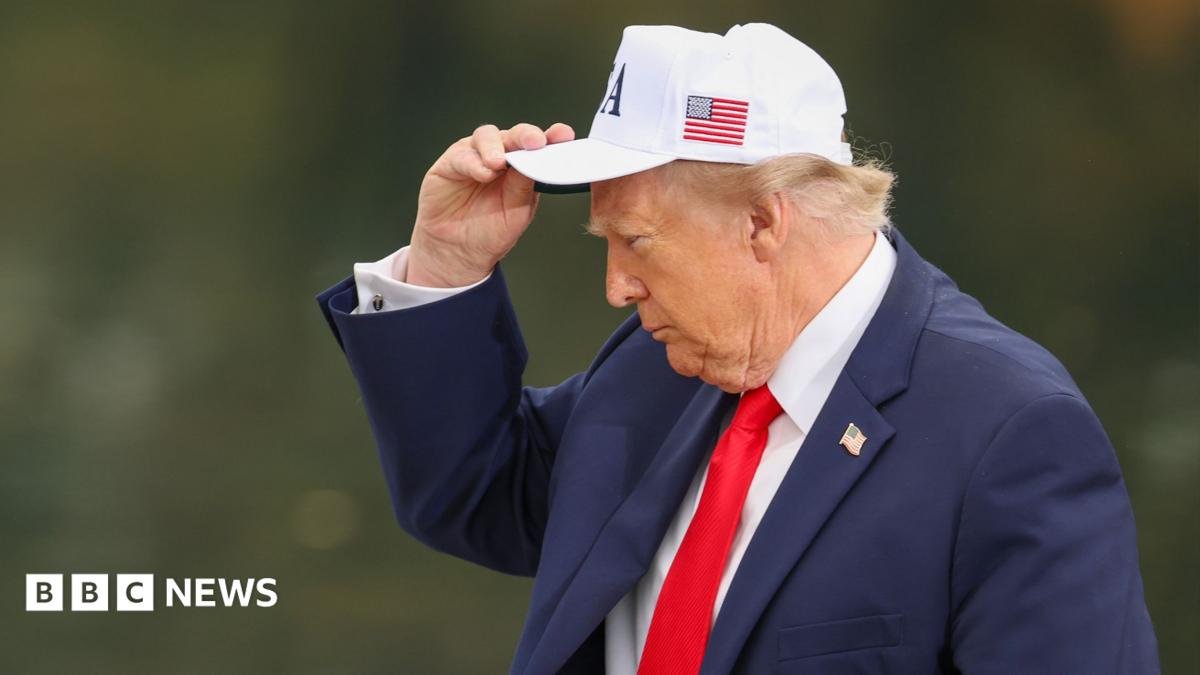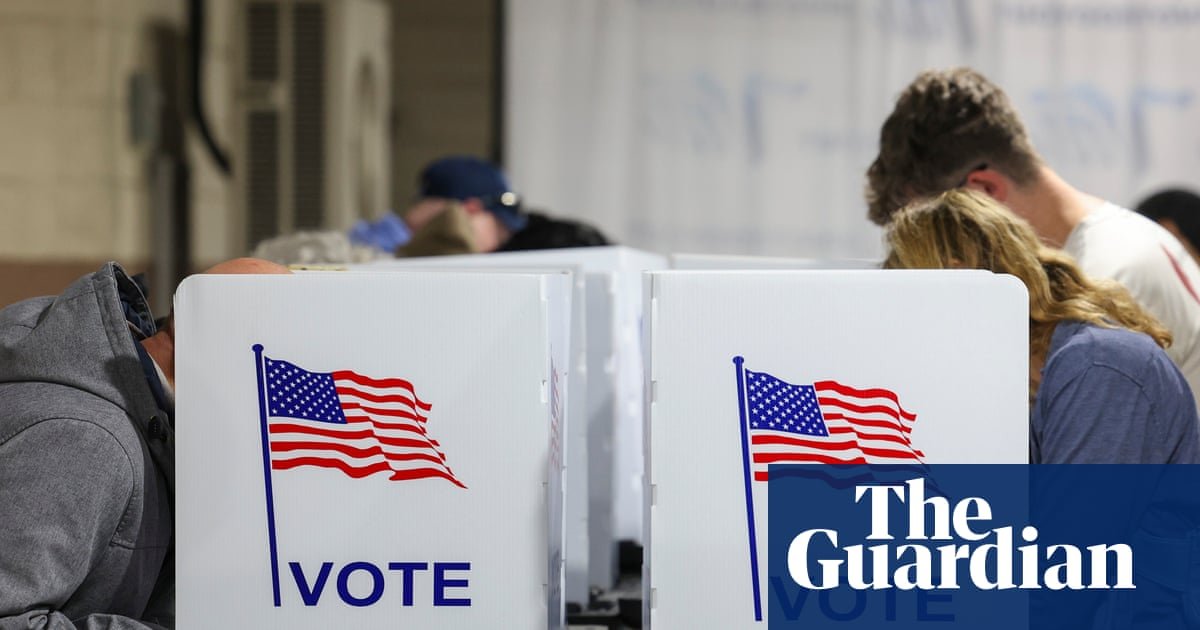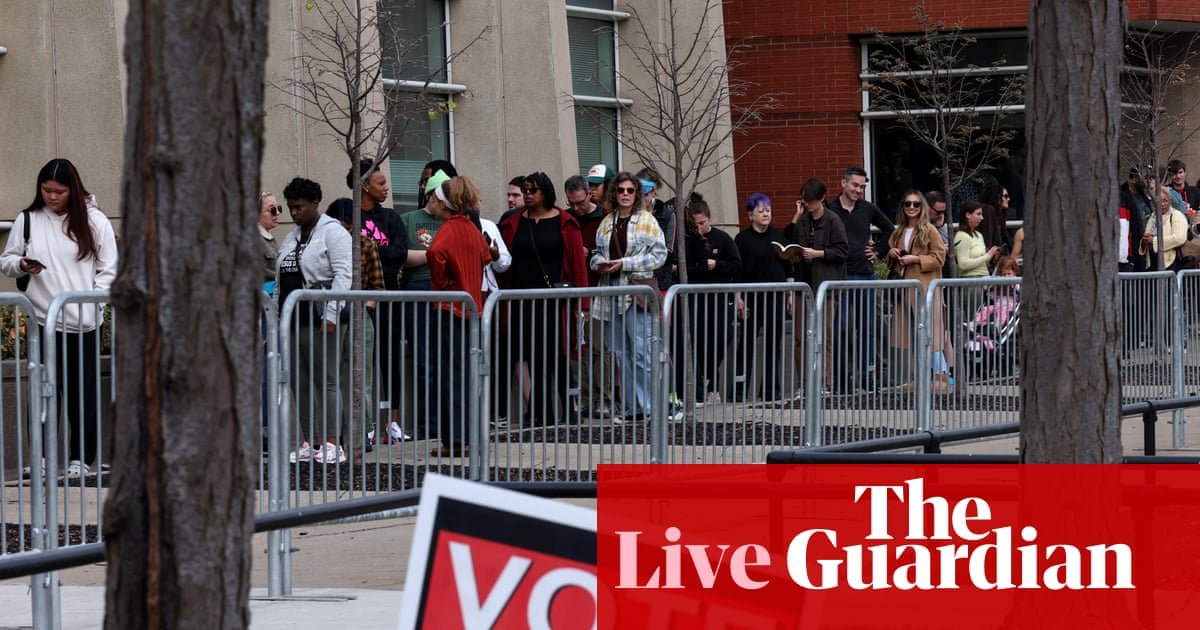
Donald Trump will still be US president on the morning of 4 November. But he could be facing a very different political landscape, depending on the results of the midterm elections held the previous day.
As the name implies, midterm elections fall nearly halfway through a president’s term. They are often a telling referendum on the sitting president’s performance, something Trump is actively encouraging by telling voters “pretend I’m on the ballot”. In this case, voters will decide whether Trump’s Republican party can retain its grip on Congress.
Democrats are hoping to capitalise on growing discontent with Trump to seize control of the US House of Representatives, and possibly the Senate. Republicans are fighting to preserve their congressional majorities and prevent a fresh period of legislative paralysis and investigations into the White House.
Several Senate contests have emerged as key battlegrounds. In Michigan, progressive Abdul El-Sayed is seeking to hold an open seat for Democrats against Republican Mike Rogers, who received a last-minute endorsement from Democrat Haley Stevens. In Georgia, Jon Ossoff, a Democratic senator, enjoys a healthy poll lead over Republican challenger Mike Collins.

In Maine, a state won by Democrat Kamala Harris in 2024, Susan Collins, the Republican senator, is defending her seat against Democrat Troy Jackson. Ohio offers another major test, with Democrat Sherrod Brown seeking to return to the Senate against Republican Jon Husted.
Texas has become especially closely watched. Democrat James Talarico is taking on Republican Ken Paxton, the state’s attorney general. Republicans have spent about $210m to help the scandal-plagued Paxton. No Democrat has won a statewide election in Texas since 1994. Trump won Texas by nearly 14 points in 2024.

In Alaska, Democrat Mary Peltola’s Senate race against Republican incumbent Dan S Sullivan sparked controversy after Republicans accused the candidate of planting a second Dan Sullivan to confuse voters. A judge dismissed a Trump-backed lawsuit seeking to block certification of Alaska’s Senate race results if Dan Sullivan loses.
Other contests in Kansas, Iowa, North Carolina and New Hampshire could help determine which party controls the chamber (if there is a 50-50 split, JD Vance, the vice-president, a Republican, wields the tiebreaker vote). Latest polls show Democrats ahead in Maine, North Carolina and Kansas, and competitive in Ohio. Also on the map this year are South Carolina and Mississippi, two reliably Republican states that have seen aggressive Democratic challenges this year.
More on this here in David’s explainer: