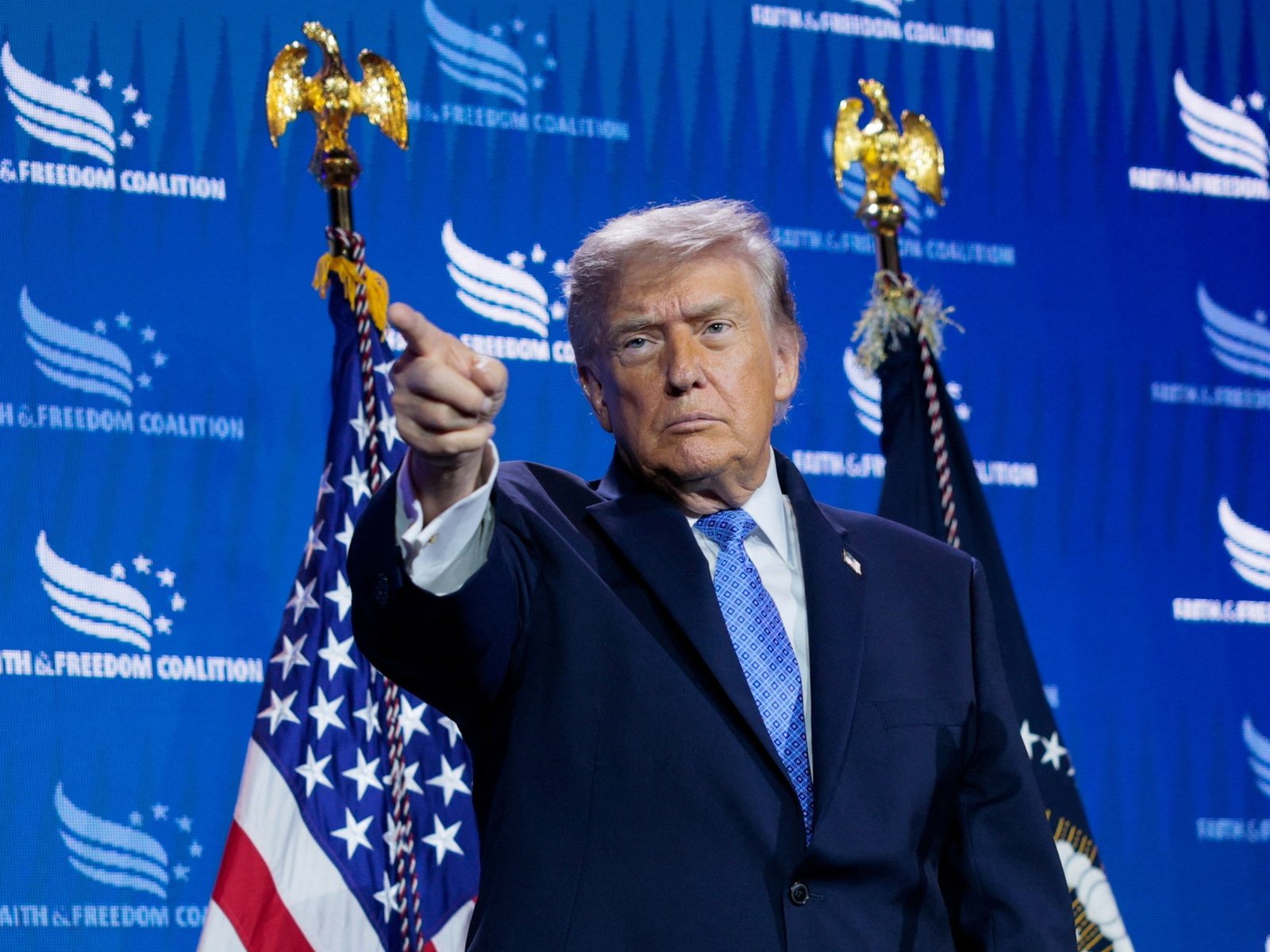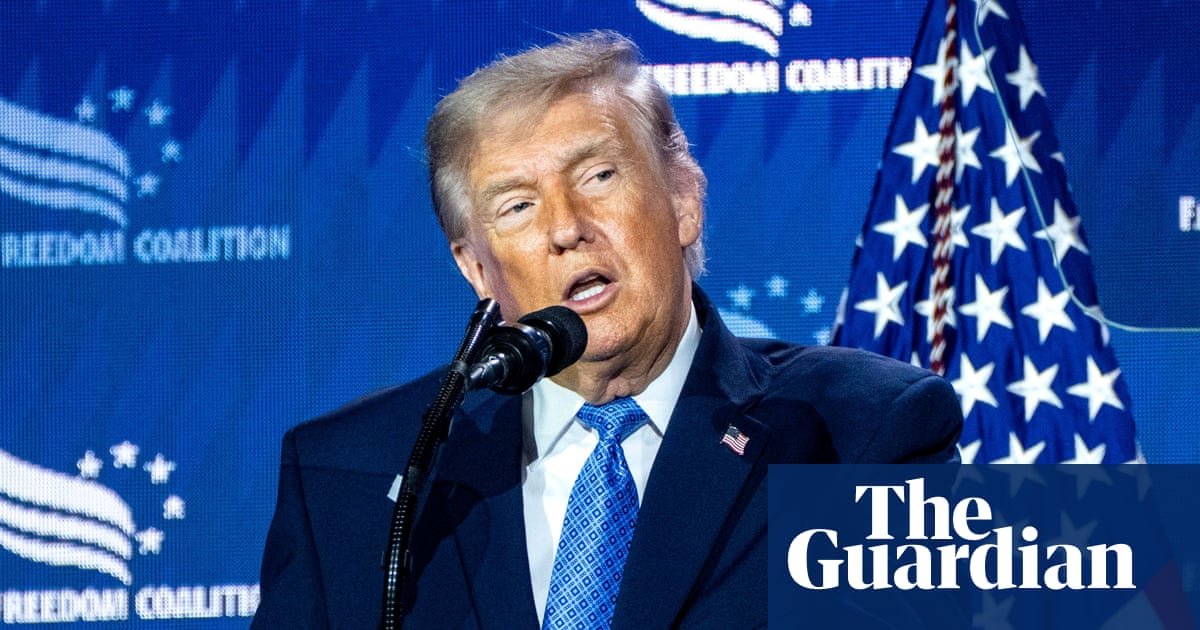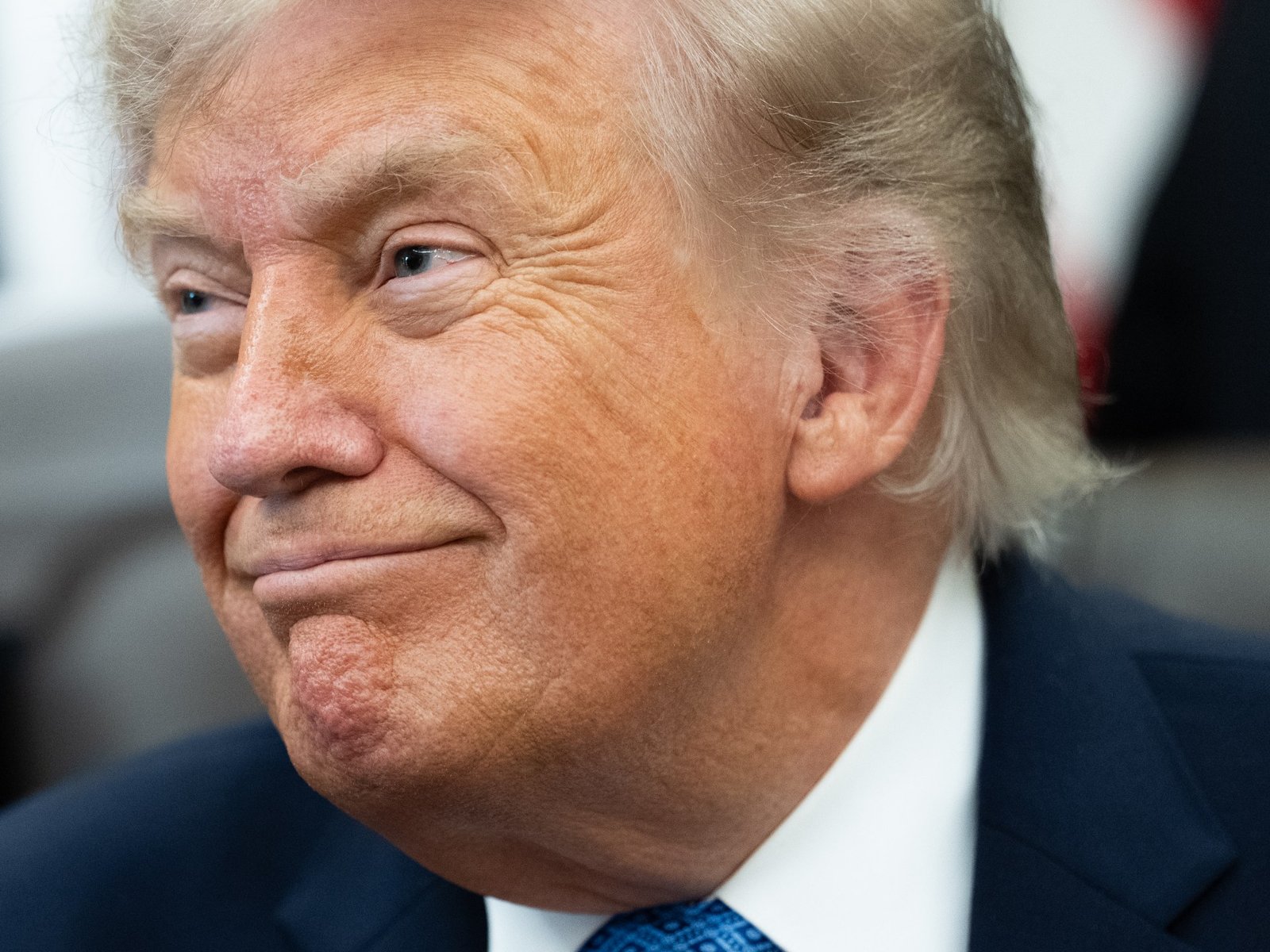
Save Share US President Donald Trump, pictured in the Oval Office on June 26, has called the attack on the Ever Lovely a violation of the June memorandum of understanding [Aaron Schwartz/Pool via EPA] By Al Jazeera Staff Published On 26 Jun 202626 Jun 2026 The United States has renewed its attacks against Iran in response to an incident a day earlier when a cargo vessel was struck by an Iranian drone.
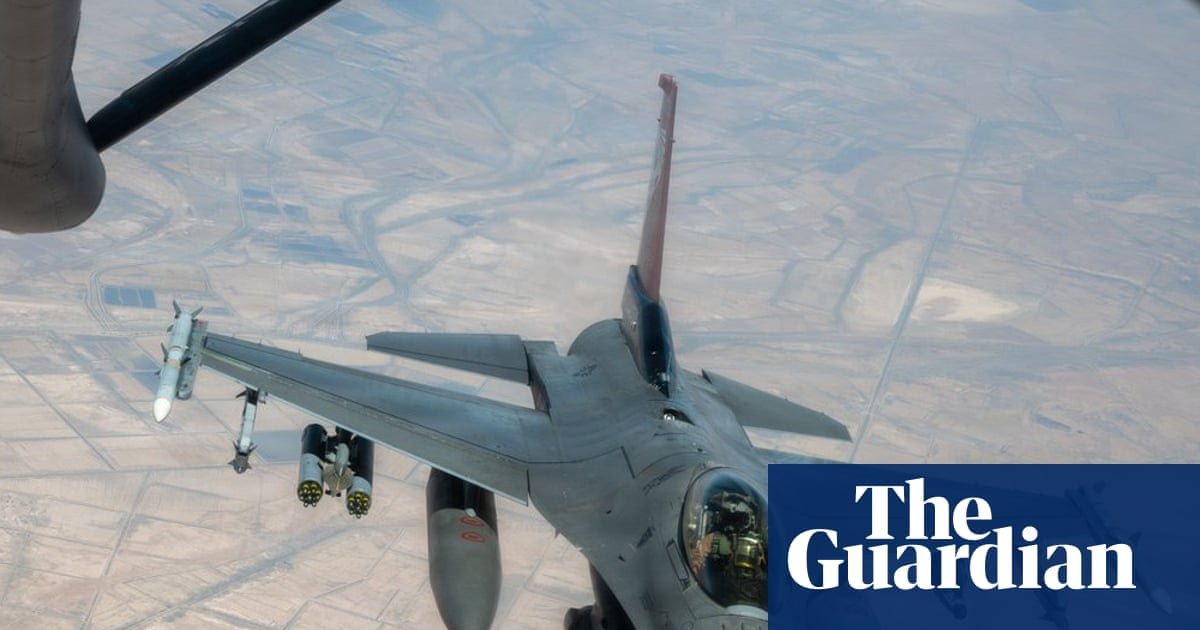
On Friday, the US Central Command, which oversees military operations in the Middle East, said it had issued a “powerful response to yesterday’s attack”.
Recommended Stories list of 3 itemslist 1 of 3Why has the UN paused plans to evacuate sailors from the Strait of Hormuz? list 2 of 3US announces framework agreement between Israel and Lebanon list 3 of 3Trump blames Iran for ‘foolish’ strike on cargo ship in Strait of Hormuz end of list “US aircraft struck Iranian missile and drone storage locations and coastal radar sites,” CENTCOM said in a statement.
“Iran’s dangerous behavior undermined freedom of navigation as commerce increasingly flows through the vital international trade corridor.” US strikes were reported near the southern Iranian port of Sirik after the announcement.
Afterwards, Iran’s Islamic Revolutionary Guard Corps (IRGC) said it responded with attacks against US military installations in the region.
In a statement to the government news service IRNA, the IRGC warned, “In the event of repeated aggression, our response will be more extensive than this.” A fraying ceasefire The exchange of fire has left questions swirling over whether a June 17 memorandum of understanding (MoU) signed between the US and Iran will hold.
Each side has accused the other of violating the deal, which included a ceasefire.
The document called for a “permanent” end to “military operations on all fronts, including in Lebanon”, effectively pausing the war the US and Israel had launched against Iran on February 28.
The memorandum was not final but was rather framed as a precursor to further negotiations, including over traffic through the Strait of Hormuz, a vital waterway for global trade.
Advertisement Since the start of the war, Iran has shut down traffic through the strait, forcing prices for fuel, fertiliser and other goods to shoot upwards.
But Thursday’s attack on the Singapore-registered commercial vessel, the Ever Lovely, has reignited tensions between the US and Iran.
US President Donald Trump had warned earlier on Friday that he considered the Ever Lovely incident a “foolish violation” of the memorandum.
The deal was meant to trigger a 60-day period wherein Iran was charged with making its “best efforts” to allow commercial vessels to pass through the strait at no charge.
The fragile ceasefire, however, has struggled to hold, as Israel has continued to bombard Lebanon, in violation of the memorandum’s terms.
Iran, in response, said last week that it would close the Strait of Hormuz once more as a result of the attacks in Lebanon.
Response to cargo vessel attack On Thursday, the Ever Lovely was passing through the waterway, near the coast of Oman, when it was struck by a projectile.
No crew members were injured, and the container ship was able to continue its travels.
But Trump blamed Iran, saying the country “shot at least four One Way Attack Drones at Ships transversing the Strait of Hormuz”.
He claimed to have knocked down three of the drones, but the fourth hit its target.
“One of the Drones solidly hit the upper deck of a large and very expensive Cargo Carrying Ship,” Trump wrote of the Ever Lovely in Friday’s social media post.
Later, at a news conference, reporters asked Trump if the ceasefire inked in the June 17 memorandum was still in place.
“ I don’t like the fact that they took a shot yesterday,” he said, before proceeding to briefly describe the damage to the Ever Lovely.
“It took a little beating.
They shouldn’t be doing that.
So you’ll find out.” In Friday’s statement, CENTCOM confirmed that the Trump administration viewed the attack on the Ever Lovely as having run afoul of the memorandum.
“The unwarranted aggression against commercial shipping by Iranian forces clearly violated the ceasefire,” CENTCOM wrote.
“Furthermore, Iran’s dangerous behavior undermined freedom of navigation as commerce increasingly flows through the vital international trade corridor.” The US military pledged to “continue to provide safe passage” to all commercial vessels in the strait, and it called on all parties to adhere to the memorandum.
Vice President JD Vance also weighed in, warning that “violence will be met with violence”.
“Iran signed a ceasefire agreement.
We have honored it.
If they have disagreements about how the MOU is being applied, they can pick up the phone,” he wrote on social media.
Advertisement Navigating ambiguity Al Jazeera correspondent Kimberly Halkett explained that Friday’s strikes were likely to be framed as an act of deterrence by the White House.
But she noted that the US response so far appears to be more restrained than past attacks.
“There’s no question that the fact that the United States has acted in a measured way suggests that the US is making a distinction between an attack by Iran on a commercial ship versus an attack on a US warship,” Halkett said.
“But there is certainly fear in Washington, no doubt, of a risk of escalation as a result of this.” Alan Eyre, a former senior US diplomat, said that Friday’s attacks underscore how fragile the current ceasefire is — and how loosely written the MoU was.
“The MoU was a one-and-a-half-page document where ambiguity was the feature and not the bug,” he explained.
“There was a lot of ambiguity to be filled in later.” That allowed a conflict to emerge over how vessels would be allowed to pass through the Strait of Hormuz.
Erye said Iran agreed to allow traffic to resume — but under its administration and with its permission.
That clashed with the US vision for the strait.
“They do not want to see a new normal established where every ship going through the strait has to coordinate with the IRGC and with the Iranian authorities,” Eyre said.
“This just shows there’s a lot of ambient risk for ships going through the strait if they don’t do it by the Iranian procedure and Iran retains enough military might to threaten ships if they use that Omani passage.”