Rob Valetini filled in for skipper Harry Wilson at No 8 but Fraser McReight’s performance will give the Australia coach just as much food for thought
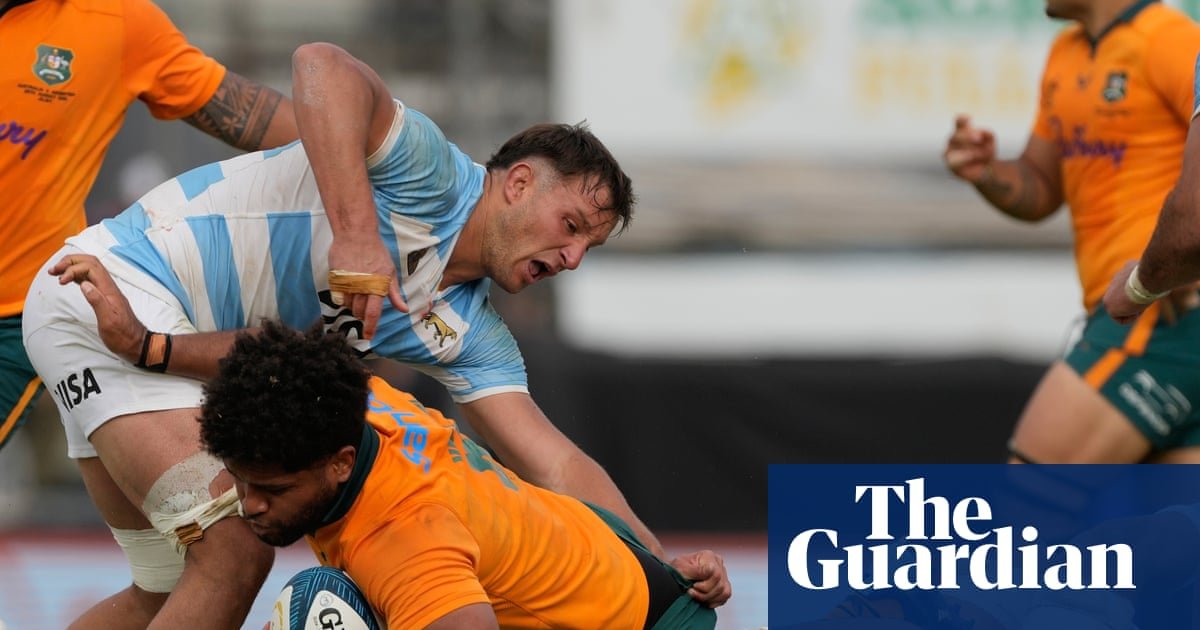
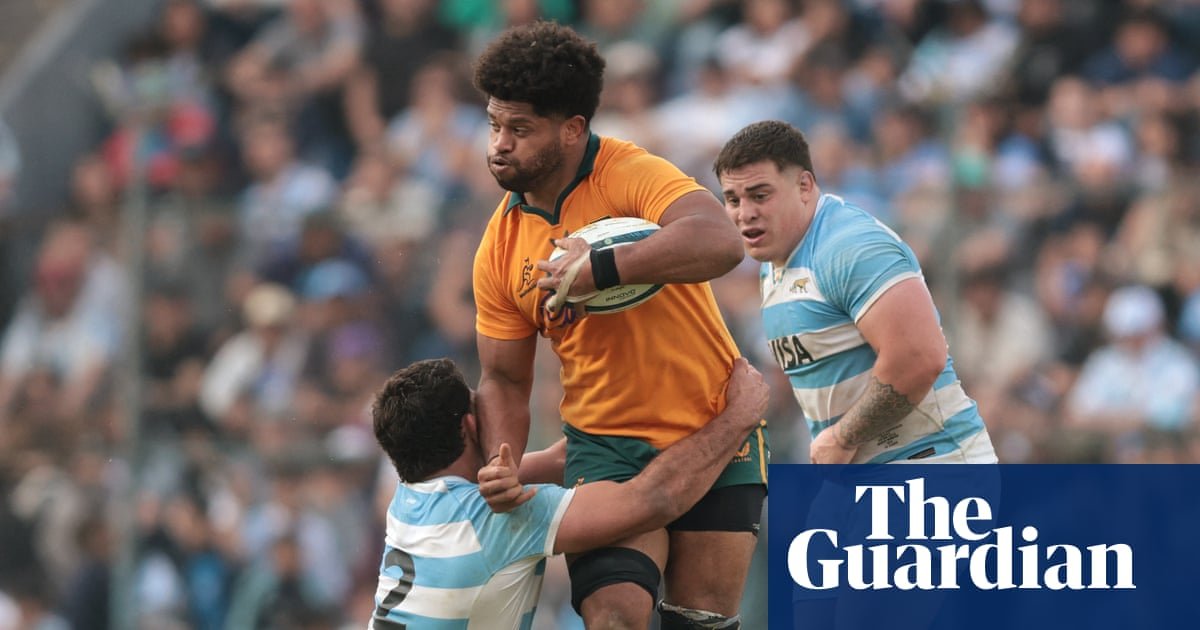
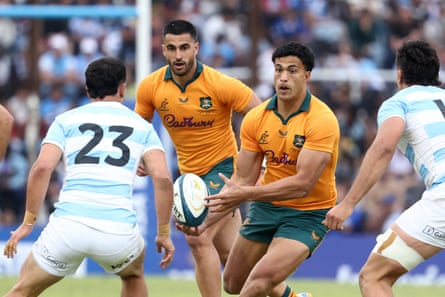
Rob Valetini bulldozed, barged through and brought the hammer down on home hopes in San Salvador de Jujuy during the Wallabies’ 27-21 win over Argentina, Australia’s fourth victory on the trot.
It was a rare start for Valetini, filling in for captain Harry Wilson in the gold No 8. The man they call Bobby V turns 28 this week and looks to be building towards his peak just in time for next year’s home World Cup. The person Valetini may have damaged more than anyone with his brutal performance, however, was the rested captain.
This Wallabies era is defined by imperfections, and it was again obvious in the weekend’s performance. “We weren’t perfect, neither were they,” coach Les Kiss told Stan Sport after the match. Winger Max Jorgensen echoed the sentiment: “It wasn’t near perfect, we’ve still got a lot of work to do, but to come away with a win in Argentina is very good.”
Perfection, of course, is unattainable. Four wins in a row – even if only this one was against an elite opponent – is reason enough for celebration for longsuffering Australian rugby fans, especially given how hard it is get a result in Argentina. But within today’s Wallabies makeup there is still a clunkiness, a series of gnawing to-dos.
Joseph-Aukuso Suaalii looked promising in his 15 minutes, including one gallop and offload down the right, even if it came at outside centre – much to the frustration of those wanting to see him at wing. And where might Angus Crichton, the other high-profile rugby league recruit due to come back to union next year, slot in? Hunter Paisami, who was one of the best in the Wallabies’ second half here, and Len Ikitau prove Australia’s depth at No 12.
There was the questionable kicking of finishing scrumhalf Tate McDermott, who had one charged down and another that failed to find touch, as well as service that could be improved. Flyhalf Carter Gordon had moments of promise, and was brave in returning to the field after a jarring facial injury, but had errors off the boot including sending one late kick dead in goal when the Wallabies needed a surer hand.
Kiss has rotated the pack heavily, and was rewarded with four lineout steals and a brilliant first try engineered by an unlikely combination down the wide blind side. Fraser McReight found Jeremy Williams, who gave it to Josh Canham, who got it back to Williams in a wrap-around, culminating in a Brandon Paenga-Amosa aerial put down. It was Australia’s best backline move of the day, and not a single back was involved.
The head coach knows, however, miracle tries don’t win the ruck and maul, and his focus remains on building depth and refining execution. He flagged there would be more changes for the second Test in Mendoza this week. “Those options will narrow down as we get closer to the end of the year, but at this stage, I’m really happy with how the forward pack have bought into what we’re trying to achieve,” Kiss said.
No Wallabies imperfection is more glaring, however, than that which surrounds the captain, a selection which should – according to traditional thinking – be the first made. Wilson has at times been inspirational in gold, having almost led an uprising against the British and Irish Lions, and having scored in the side’s two most memorable recent victories against England and South Africa. His daring in not settling for a penalty goal and draw against Argentina in Townsville last year, instead procuring a try and a win, will not be forgotten.
Yet Australia boasts world class openside flankers in McReight – man of the match against Los Pumas – and the rested Carlo Tizzano, and Kiss has said he would like to see more of the pair playing together. Then there is the powerful Tom Hooper, who started at blindside flanker against Argentina and scored, and the mobile Charlie Cale, a genuine game-breaker in the backrow.
Hooper’s employment with the Exeter Chiefs in the English Premiership – where he was named to the team of the season this year, the first Australian selected since Will Skelton in 2019 – mean he is likely to miss the Wallabies’ September and October fixtures against South Africa and New Zealand. But Kiss has shown commitment to Hooper, which has been reciprocated, despite a club-versus-country tension that usually sees Australian rugby the loser.
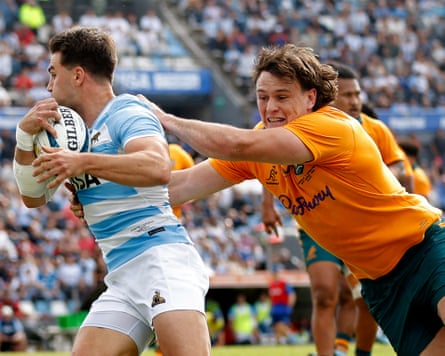
The 25-year-old was full of praise for his backrow colleagues McReight and Valetini after the match. “As the lineout forward, I know that I’ve just got to get through a bit of work, and those guys can do the flashy stuff. Bobby can wreck blokes and Fraser’s usually sniffing around for a bit of meat, so it’s a good combination,” Hooper said.
In January, Kiss named McReight captain of the Queensland Reds, even though the playing group also includes Wilson. Influential former Wallaby Tim Horan, speaking on the Stan broadcast on Sunday, did not dance around the issue of the side’s leadership when discussing the impact of McReight, who captained the Wallabies in the absence of an injured Wilson against South Africa last year and led the side against Argentina when Allan Alaalatoa went off in the second half. “It was interesting to see how animated Fraser McReight was in that second half,” Horan said. “I’m sure he’s very proud of his forward pack, but his leadership took another step today.”
Wilson remains a useful contributor for the Wallabies, and retains the faith of Kiss, who flagged his return for the second Test. The Wallabies have been humbled recently in their second outings in Argentina, including a 67-27 embarrassment two years ago. Given the selection merry-go-round for these work-in-progress Wallabies, the only thing perfect about this week in Mendoza is the opportunity for the returning captain.