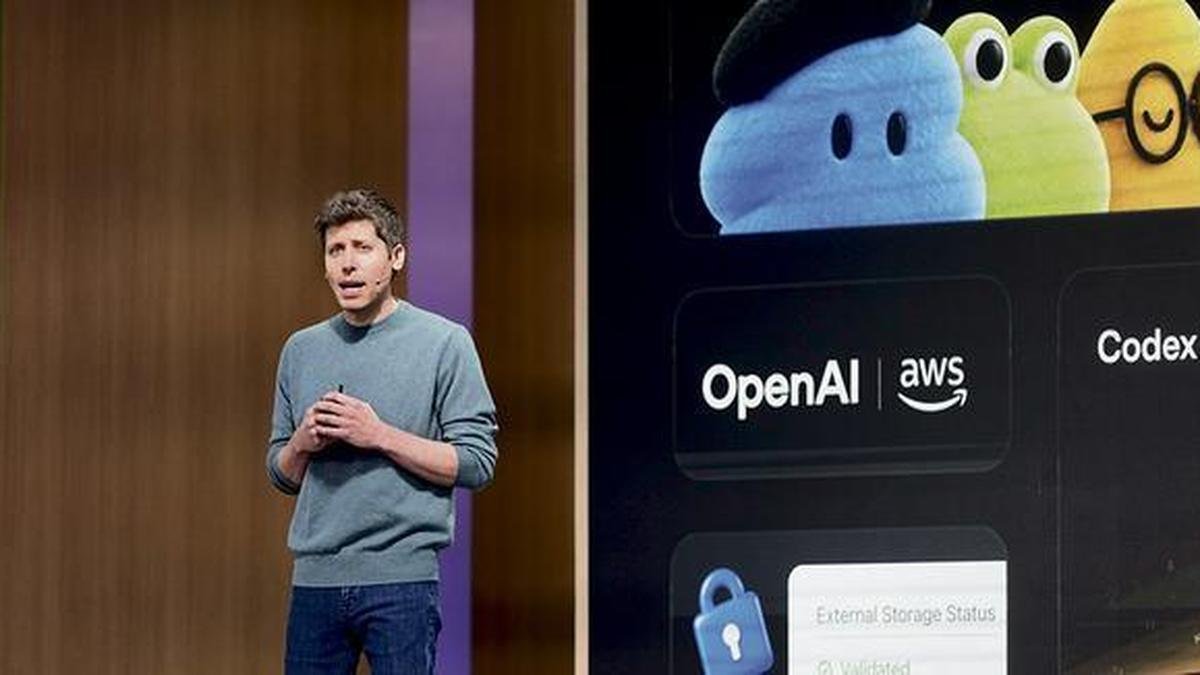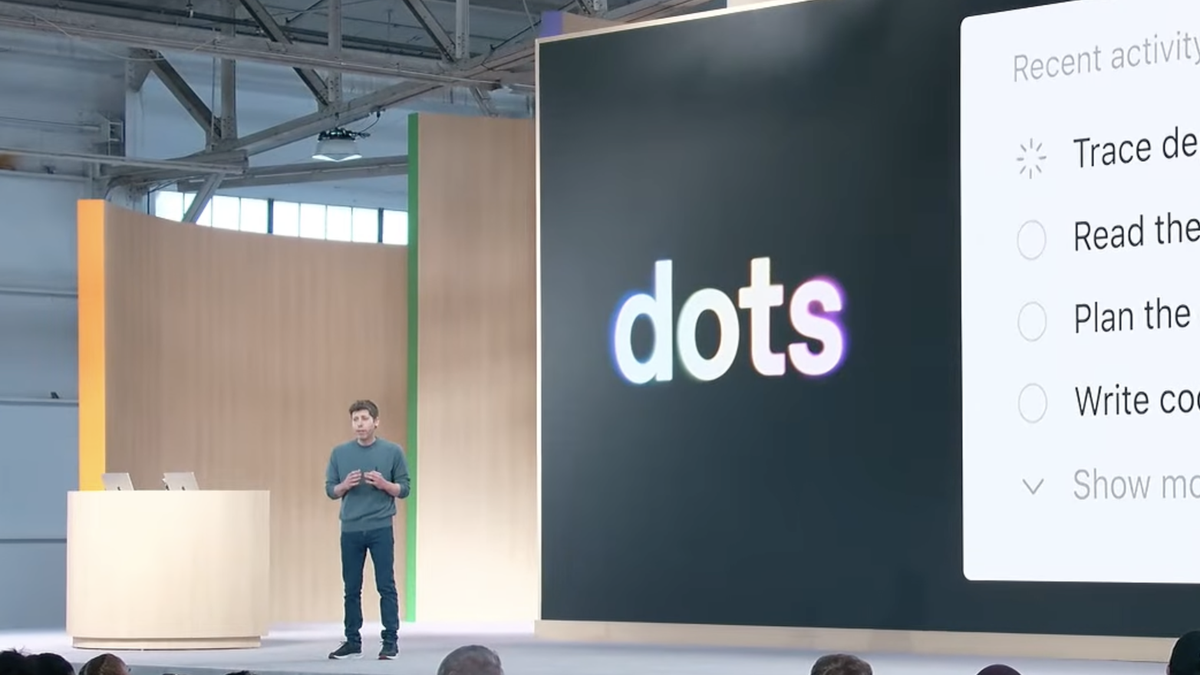
OpenAI, on Tuesday (September 29, 2025), unveiled Dots, the company’s new agentic capability that completes a range of tasks for users.
The company also introduced several major updates focused on AI agents and developer tools.
Dots, which reads like a play on “bots”, are always-on AI agents that can handle complex tasks by accessing your files, apps, and context.
They can be delegated responsibility for projects like monitoring bugs, drafting code, or managing calendars.
Unlike traditional virtual assistants that handle simple tasks, Dots, per OpenAI, are engineered to understand complex workflows and context, and operate with the agency of a “chief of staff” or a “high-level engineer”.
These intelligent bots can learn how you work over time by gaining access to your files, and communicate with platforms like Slack, Teams, calendars, and other development environments, allowing them to proactively manage your workflows.
Why has OpenAI cancelled the release of its latest model? | Explained They are capable of performing multi-step tasks like monitoring bug reports, drafting code fixes, or managing project timelines, without needing constant oversight.
They work with over thousands of apps, per OpenAI, via existing connectors and have their own cloud-based computers and browsers, enabling them to execute tasks, build apps, and test workflows independently.
Users can interact with the AI agent with their voice, text, or phone call, and they are accessible accessible round the clock.
CEO Sam Altman, during the DevDay 2026 keynote, listed a few examples of how Dot agents can be used in various organisational scenarios like application migration, product launches and administrative delegation.
He explained that the agent can trace dependencies within a codebase to migrate an application from a legacy API.
This involves writing the required code running tests and then submitting a pull request for the team’s review.
The agent is also capable of updating calendars, analysing user feedback from testing, and even implementing last-minute design changes by building them directly into the app using Codex, OpenAI’s coding tool.
The generative AI bot can help with rescheduling meetings to accommodate personal priorities, and handling complex vendor communications.
Mr.
Altman noted that these intelligent bots operate within defined safety boundaries, allowing users to control their level of responsibility, and are powered by Astra, the company’s most advanced AI model.
Apart from Dots, Mr.
Altman also showcased a collaborative platform for teams called Spaces.
It lets users and their respective Dots to work together on documents, research, and data visualisation.
It supports dynamic content like interactive charts and live prototypes.
and the conversations users have with their Dots do not count toward their standard ChatGPT usage limits.
The San Francisco-based company also introduced GPT-6.1 Sol that, per the firm, offers near-Astra intelligence at a significantly lower price point, and is optimised as a daily workhorse.
Trump releases AI accord with tech executives The company also unveiled UltraFast, an amped up model, that provides a speed boost for faster execution across API, ChatGPT, and Codex.
Codex is now fully cloud-based, and it allows seamless transitions between devices, the company said during the keynote.
Lastly, OpenAI announced the Marketplace, a new platform where developers can sell their products and companies can buy using for developers to distribute their products, allowing enterprise customers to purchase these tools using existing OpenAI commitments