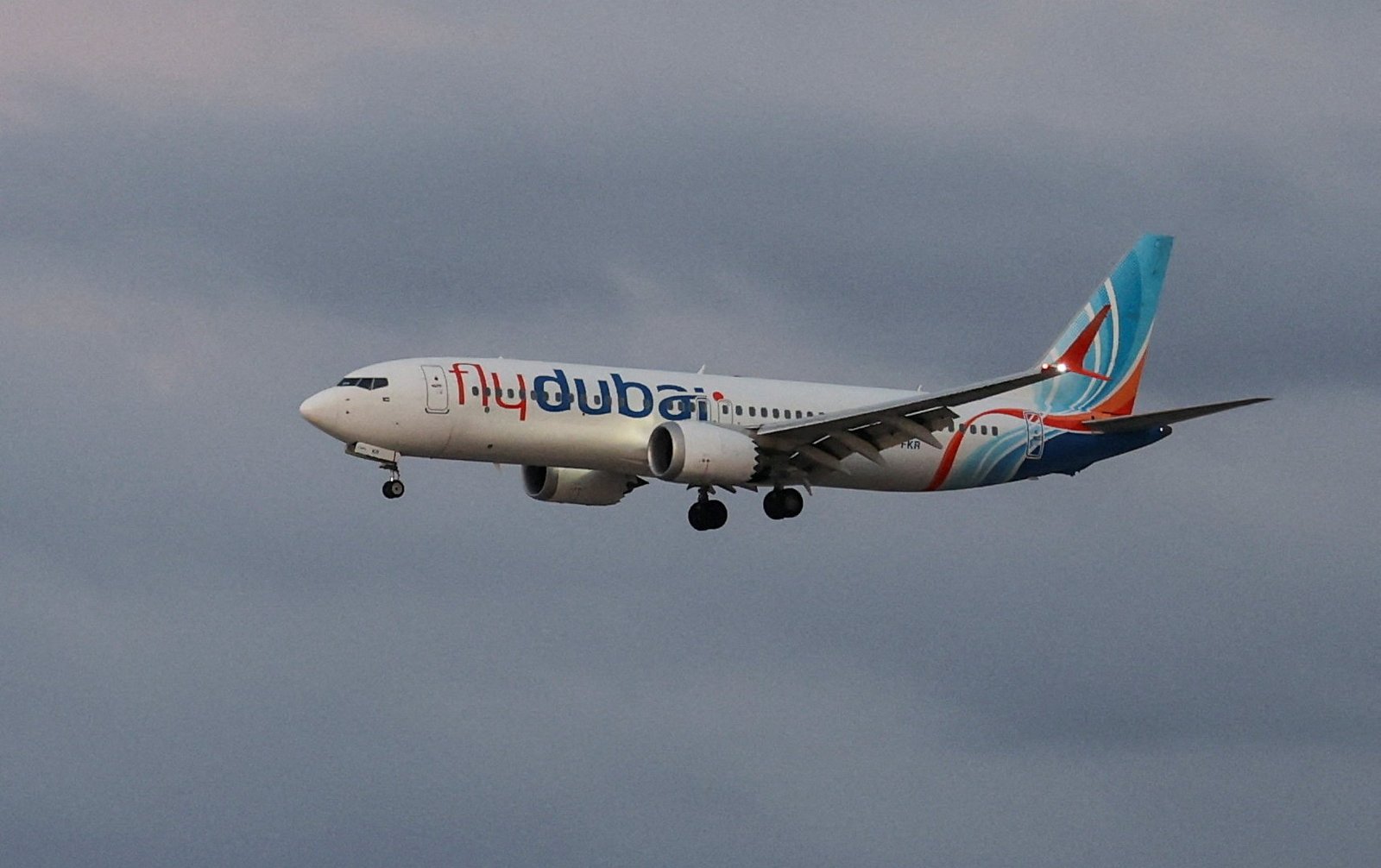
A plane, carrying passengers who were on the FlyDubai aircraft bound for Israel from the United Arab Emirates, which was diverted to Saudi Arabia following an emergency signal, arrives at the Ben Gurion International Airport, in Lod, near Tel Aviv, Israel, on September 30, 2026 [File: Ammar Awad/Reuters] By News Agencies and Reuters Published On 4 Oct 20264 Oct 2026 An attack by the copilot on the pilot during a Flydubai flight has raised many questions regarding aviation security, and some of the official versions of the incident have come under scrutiny from online commentators and aviation enthusiasts.
About two and a half hours after Flight FZ1073 departed from Dubai International Airport on Wednesday, it went into a sharp descent before eventually making an emergency landing in Saudi Arabia.
Media reports said the copilot attacked Captain Smit Machchhar.
Passengers were able to overpower the copilot, identified by media as Hamam al-Hammami, after Machchhar managed to open the cockpit door during the attack, which the prosecutor general of the United Arab Emirates said was carried out with the cockpit’s crash axe.
While investigators continue working to establish a motive for the attack, several questions have arisen about the incident more generally across social media.
Here are five questions that are being asked: Why was al-Hammami allowed to fly despite being flagged over security concerns?
Al-Hammami has been identified as an Omani national, according to media reports.
On Friday, The Wall Street Journal quoted unnamed sources as saying that Omani authorities previously blocked the suspect from flying in the country due to concerns over his ideological views.
On Saturday, CNN reported, quoting a regional diplomatic source, that the copilot had also been removed from flight training over similar concerns and was later reassigned to another position.
Advertisement It added, quoting two sources familiar with the matter, that the pilot was removed from a job at Oman’s national airline last year over concerns about his views.
It remains unclear how al-Hammami managed to get the Flydubai route despite these security concerns.
The possibility of a plumber stabilising plane before reserve pilots stepped in Reports have emerged that Machchhar managed to open the cockpit door while covered in blood, allowing passengers to subdue the copilot.
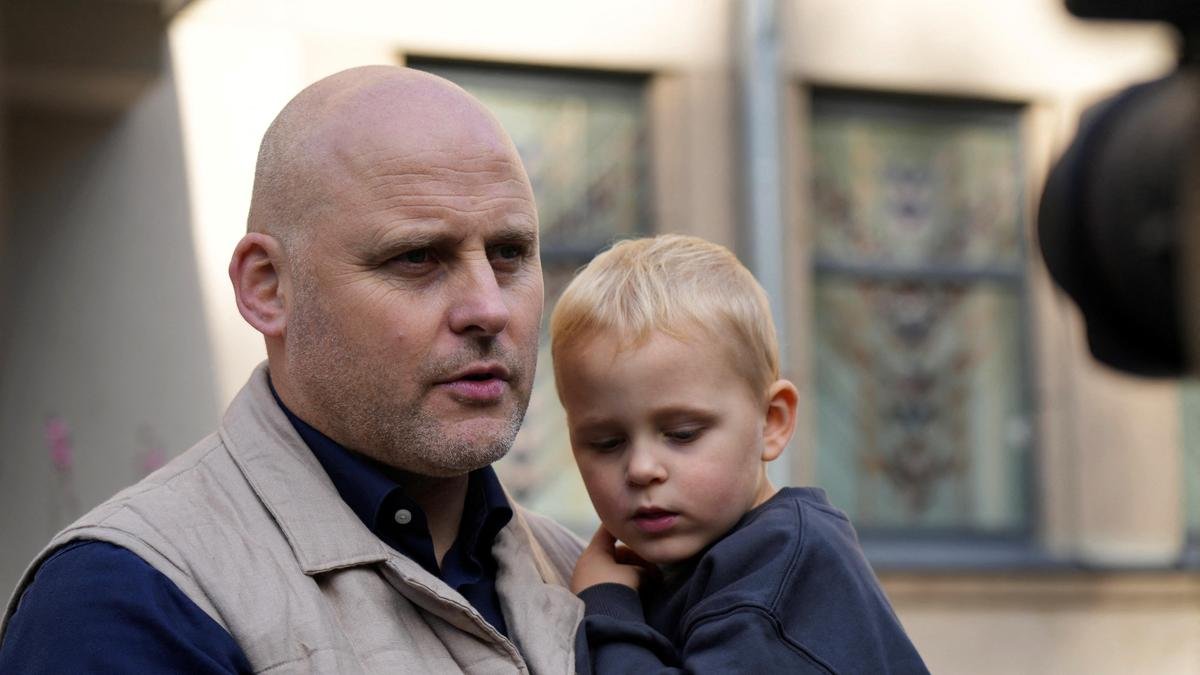
One of those who subdued al-Hammami was Yaniv Hayoun, whom Israeli Prime Minister Benjamin Netanyahu described as a plumber.
In a video with Netanyahu, who met him at the airport, Hayoun, 50, was asked how he knew what to do at the plane’s controls before another pilot took control.
He said: “I watch Air Crash Investigation, Mr Prime Minister.” “I jumped back, grabbed the controls and started pulling back the handles” the way he had seen in the Canadian investigation show, in which experts analyse plane crashes.
People on social media have questioned how a plumber could have handled an aircraft in the air.
No report of mass injuries despite fall of 5,180 metres According to the flight-tracking website Flightradar24, the Flydubai flight rapidly descended about two and a half hours after takeoff, dropping more than 5,180 metres (17,000ft) in less than two minutes.
While the midair drop caused mass panic among passengers, no one was reportedly harmed, according to the publicly available information about the incident.
An Air India flight that dropped 90 metres (300ft) during turbulence in August injured at least 17 passengers.
A flight instructor, who recreated the Flydubai jet’s near-vertical dive in a simulator, said the plane would have exceeded its maximum structural speed and anything unsecured would have flown all over the cabin during the recovery’s negative G-forces.
Why was the copilot allowed to fly despite being an Omani national?
Israel does not have official diplomatic relations with Oman, and Netanyahu has previously said such countries were not generally allowed to operate flights to Israel.
On Friday, Netanyahu said Israel was looking into whether the copilot had acted under anyone’s direction, warning that anyone involved would pay a “heavy price”.
On Saturday, the Israeli newspaper Haaretz reported that government officials had received in advance the list of crew members and passengers who were on the flight, including the Omani copilot.
Security sources told Haaretz that the government bodies responsible for monitoring and checking foreign flight crews landing in Israel are the Ministry of Transport and Road Safety’s Security Department and the security agency Mossad.
Advertisement Copilot prayed before attack According to The Times of Israel, Machchhar spoke to Netanyahu on Saturday.
He told the prime minister that al-Hammami had asked to pray before the attack.
Four or five minutes later, Machchhar was hit with “a big blow” to the back of his head, he said.
The flight departed from the UAE at 7:05am (03:05 GMT).
The attack reportedly took place about two and a half hours later (05:35 GMT).
The predawn prayer time in the Emirates on Wednesday was 04:51am (12:51 GMT), which would mean al-Hammami’s prayer did not align with Islamic prayer times.
However, al-Hammami could also have been performing a different personal prayer before the attack.