The memorandum of understanding (MoU), signed by the U.S. and Iran on June 17, promising to extend the ceasefire and launch talks on Iran’s nuclear programme and Western sanctions, is falling apart. U.S. President Donald Trump has declared that the “ceasefire is over”. According to Tehran, parts of the MoU have been rendered “ineffective” by American actions. Both sides have accused each other of violating the MoU.
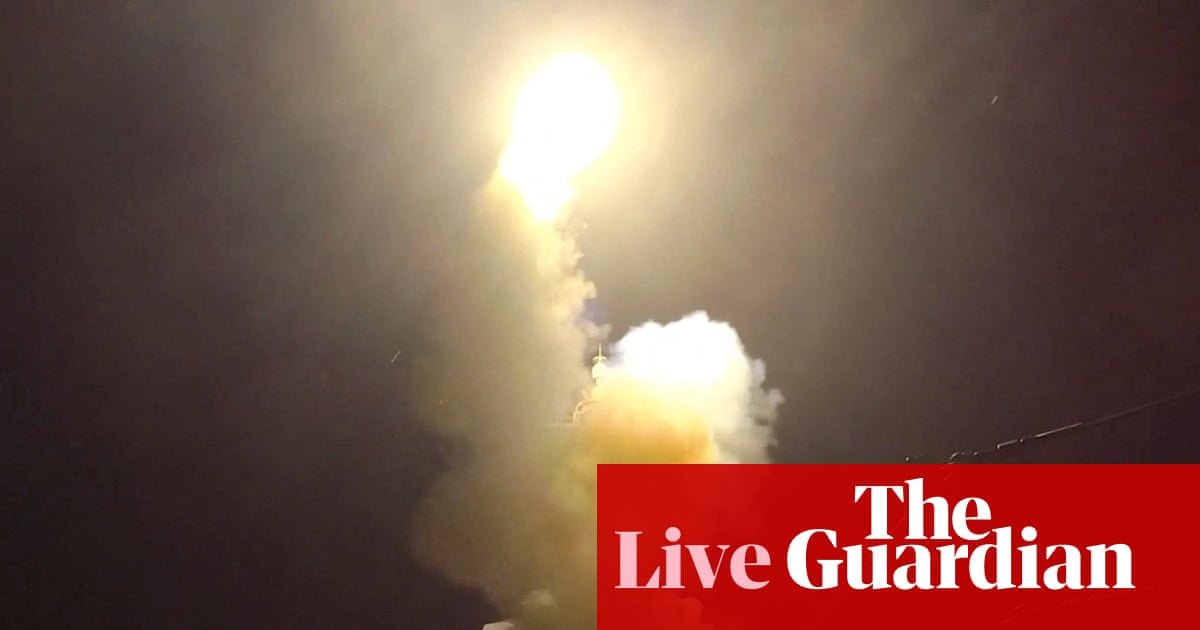
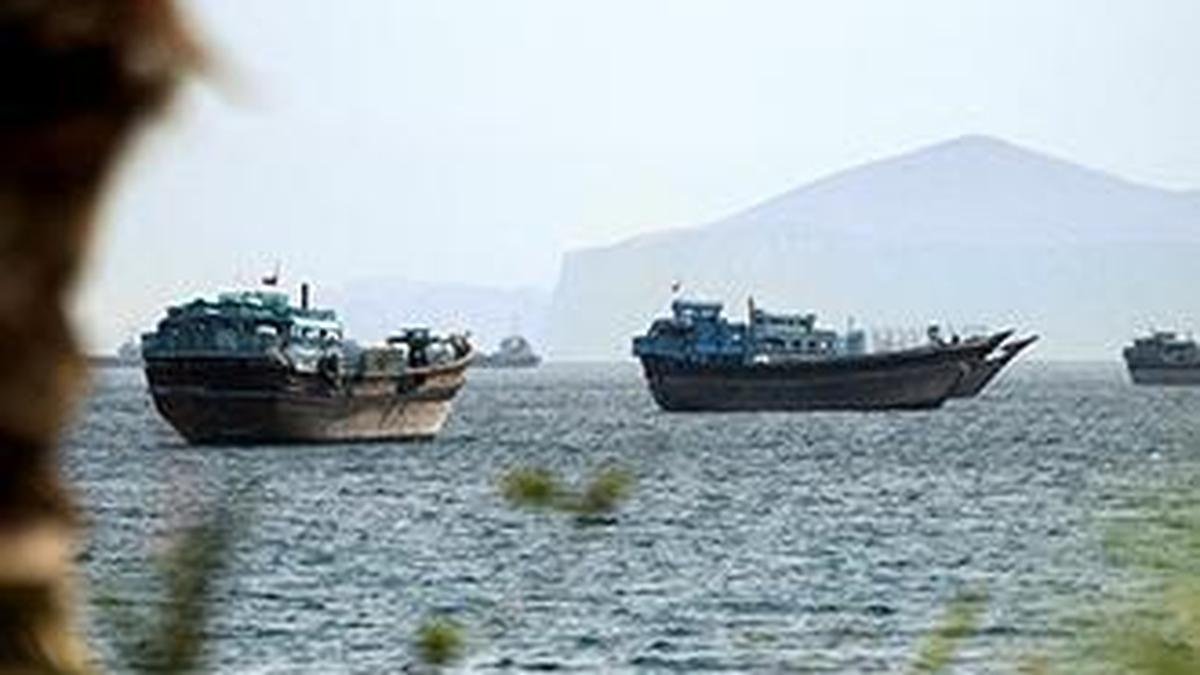
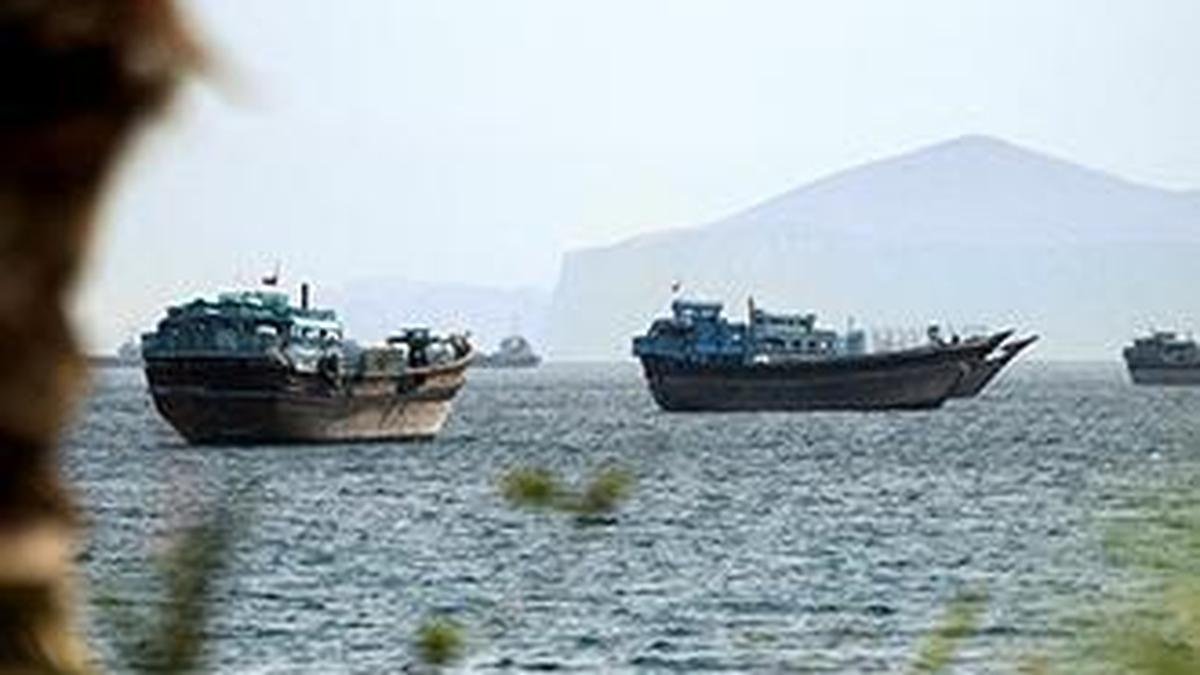
The U.S. has carried out air strikes on hundreds of targets across Iran, while Tehran has retaliated by attacking U.S. bases in several Persian Gulf countries as well as Jordan. At the heart of the renewed violence lies a dispute over Article 5 of the MoU, which requires Iran to “make arrangements” for the “safe passage of commercial vessels” through the Strait of Hormuz. Iran has designated a new shipping route along its coast, while the U.S. Navy has cleared an alternative route along Oman’s coast. Iran sees this move as a violation of the clause by the U.S.
Last week, three tankers using the U.S.-backed route came under Iranian attacks. The U.S. says the attacks constituted a violation of the MoU by Iran. It launched air strikes in Iran, and the Islamic Revolutionary Guard Corps (IRGC) has since announced the temporary closure of the strait.
In the MoU, the U.S. has made several concessions to Iran. It lifted its maritime blockade, issued a sanctions waiver for Iranian crude and other petroleum products and also promised that Iran would get access to some of its frozen funds. After last week’s escalation, the U.S. has revoked the waiver and reimposed some sanctions on Iran. But Tehran seems determined to retain its grip over the strait, one of the world’s most important commercial chokepoints, even at the risk of an all-out war and reversal of the purported gains of the MoU. Why?
A battlefield at sea
Both the U.S. and Iran see the Strait of Hormuz as critical to shaping the future balance of power in the Persian Gulf. While Gulf countries are exploring ways to reduce their dependence on the strait through alternative pipelines and trade corridors, such efforts are unlikely to significantly diminish its importance any time soon. In 2025, about 20 million barrels of oil a day passed through the strait, along with more than 112 billion cubic metres of LNG. It also handled one-third of global seaborne urea trade, one-third of global seaborne ammonia trade, and 40% of global seaborne sulphur exports — together accounting for roughly 30% of global fertiliser trade. The Strait of Hormuz will therefore remain a critical artery linking the Persian Gulf to the global economy. Control over the waterway would give any regional power enormous strategic and economic leverage. Whoever controls the strait could emerge as a regional great power.
Iran believes, as articulated by several of its leaders, that it has inflicted a strategic defeat on the U.S. and Israel as both sides failed to achieve their declared objectives. A closer analysis of the Iranian position suggests that Iran knew that its ability to shut down the strait played a critical part in this “victory”, forcing the U.S. to agree to a ceasefire and later to an MoU which largely favoured Tehran. So Tehran doesn’t want to give up this leverage. If the U.S. Navy institutionalises an alternative crossing along Oman’s coast, Iran fears it would lose this leverage.
With little trust between the two sides, Iran wants to establish credible deterrence by asserting control over the strait rather than relying on American promises in the MoU, including sanctions relief. Tehran calculates that if it can absorb the short-term costs and institutionalise its control over the strait, it would fundamentally transform the country’s regional position, and sanctions relief could follow. The U.S., for the same reason, wants to deny Iran that leverage. It doesn’t want Tehran to emerge as the sole custodian of the strait and the dominant power in the Persian Gulf.
New reality
Iran also has a long-term strategic reason to fight this war over the strait. When the U.S. and Israel launched the war on February 28, it was about Iran’s nuclear programme, its offensive capabilities and its support for non-state actors. Both Israel and the U.S. sought regime change through air strikes to meet their objectives. Today, four and a half months since the war started, even the Americans are not talking about Iran’s missiles or its ties with Hezbollah, Hamas, Houthis and Hashad. The U.S. wants to resolve the nuclear question, but Iran has tactfully shelved talks on the nuclear programme to the next round.
The first round – the MoU phase – was about ending the war and removing the bottlenecks in the Strait of Hormuz and the Gulf of Oman. Now that the MoU is falling apart and Iran and the U.S. are fighting over the status of the strait, the nuclear issue, America’s principal strategic objective, has receded further into the background. In effect, Iran has tied its adversary to a problem that did not exist before the war (The strait was open and uncontested until February 28), while the original problem, the nuclear programme, has moved beyond the immediate focus of the conflict.
For Mr. Trump, the dispute over the Strait of Hormuz should be resolved first – either through force or through talks — before negotiations on the nuclear programme can even begin.