A Chinese company is demanding compensation from the United Kingdom government for investment losses following the nationalisation of a steel plant last week.
Jingye Steel asked the UK on Sunday to immediately stop “trampling on international investment rules” and to promptly, fully and effectively compensate the company for all investment losses incurred in the decision to nationalise British Steel.
Recommended Stories
list 1 of 3China warns UK over British Steel nationalisation, demands fair resolution
list 2 of 3China rebukes UK over nationalisation of British Steel
list 3 of 3UK’s Starmer battles for political survival amid calls for exit timetable
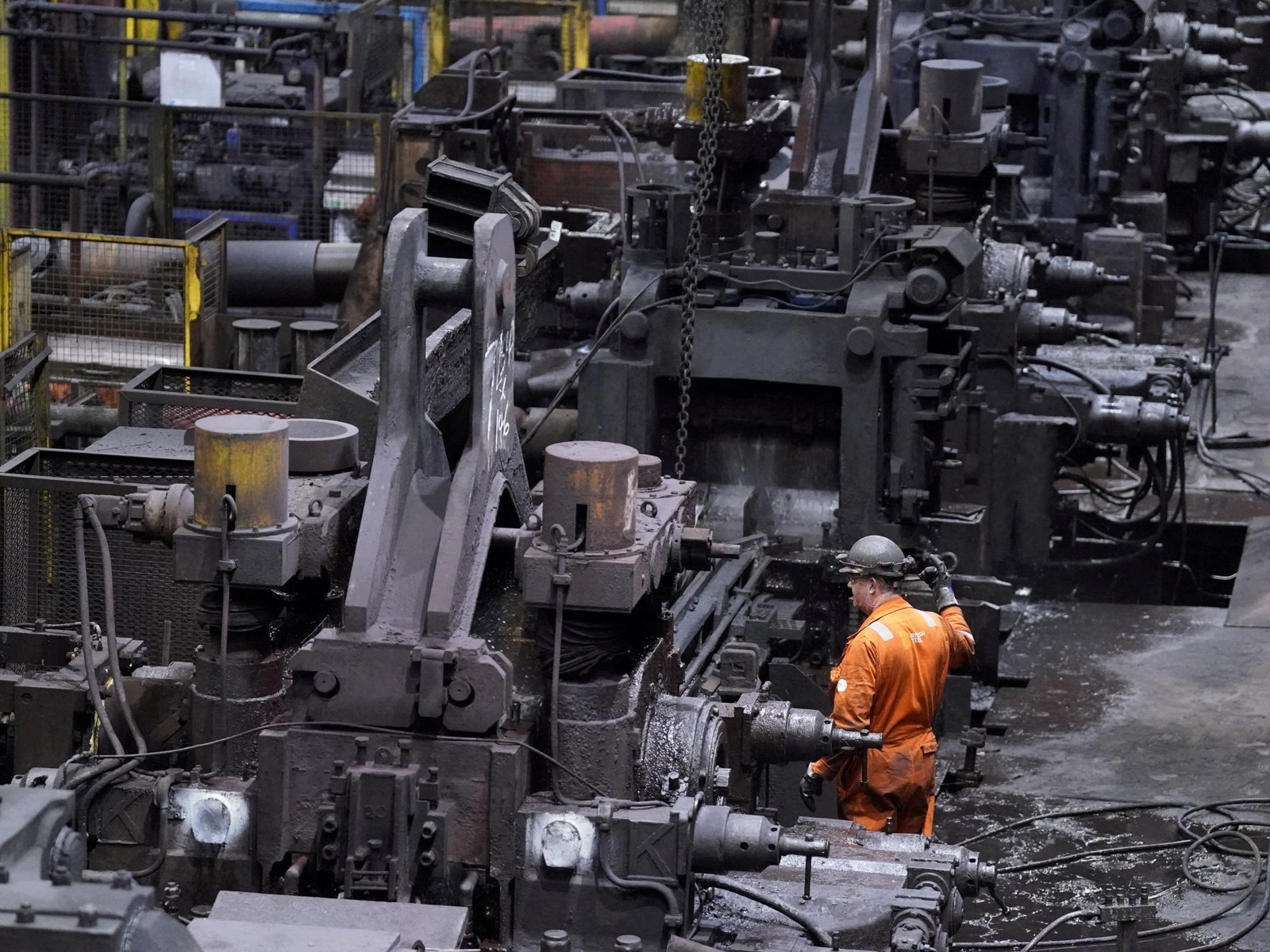
The UK government took operational control of the company last year after Jingye Group said it was considering closing the blast furnaces at its Scunthorpe plant in northern England, the last in the UK to make “virgin steel” from raw materials.
Here is what we know about the controversy:
Why nationalise the plant?
The government says it has nationalised British Steel to protect the nation’s steelmaking capacity and to prevent the company’s Chinese owners from shutting the plant’s blast furnaces.
The Department for Business and Trade announced the move on Thursday, saying it would save thousands of jobs and protect the UK’s national interest by ensuring a supply of domestically produced steel for major construction projects and the defence industry.
“British Steel now belongs to the British people and our focus is on the future: stabilising the business, backing the communities that rely on it and building a sustainable, competitive and decarbonised steel sector for the years ahead,” said Business Secretary Peter Kyle in a statement.
The dispute comes as Labour Party leader Andy Burnham is expected to succeed Keir Starmer as prime minister on Monday, potentially starting his first term in office with a standoff with China, one of the UK’s largest trading partners.
How has China responded?
In a statement on Sunday, Jingye Group said the British side has “disregarded dedicated ongoing investment and significant contributions”, offering “almost zero compensation”.
The company also pointed out that the UK had spent 377 million pounds ($507m) to operate British Steel as of the end of January. It also expected the total to have exceeded 600 million pounds ($807m) by the end of June and possibly exceeding $2bn (1.5 billion pounds) by 2028.
China said it would closely monitor developments and will take appropriate measures to safeguard legitimate rights and interests if warranted.
China’s Ministry of Commerce said the UK was “disregarding” Jingye’s contributions to the British economy and that it “forcibly took over and then nationalised” British Steel in the name of national security, “seriously damaging” Jingye’s legitimate rights and interests and “seriously undermining” Chinese investor confidence in the UK.
China’s Ministry of Foreign Affairs pointed to Britain’s legal obligations, saying: “China and the UK have signed an investment protection agreement and investors’ legitimate and lawful rights and interests must be fully protected in accordance with the law.”
China and the UK signed a bilateral investment treaty in 1986, which includes “protection from arbitrary expropriation without compensation” – the clause Jingye is referring to in its claim for compensation.
What happened at British Steel?
British Steel is reported to have played a significant role in the UK economy due to its steel producing capabilities from raw materials instead of recycled scrap metal.
Its Scunthorpe plant has nearly 2,700 employees and produces about three million tonnes of steel a year. But it was not always profitable.
In 2016, Tata Steel sold the company for one pound to private investment firm Greybull Capital, which renamed it British Steel.
However, amid a financial crisis in 2019, the British government’s insolvency service took over the company, which was sold the following year to Jingye.
The UK government says British Steel was losing hundreds of thousands of pounds a day by operating the struggling steel manufacturing company. It said the plant relied on the British government’s support for its continued operations.
Government ministers said if the financial losses continued, Britain would be fully dependent on international markets to supply foundational materials needed for construction and other sectors.
“British Steel is part of the fabric of our nation and a cornerstone of Britain’s industrial strength,” Prime Minister Keir Starmer told parliament.