Beijing stops short of confirming specific agenda items, but many hope world’s three biggest nuclear powers will talk about denuclearisation
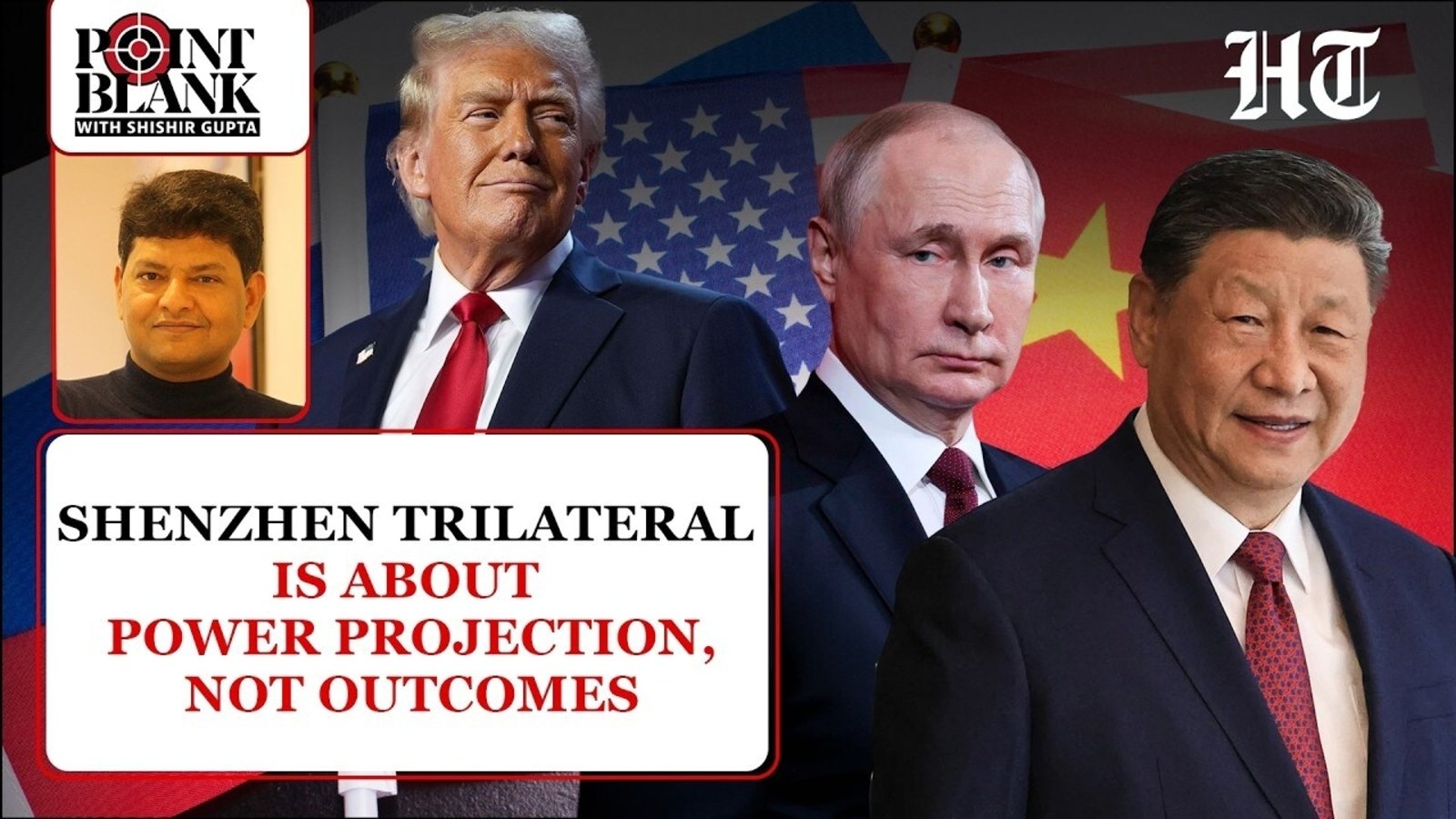
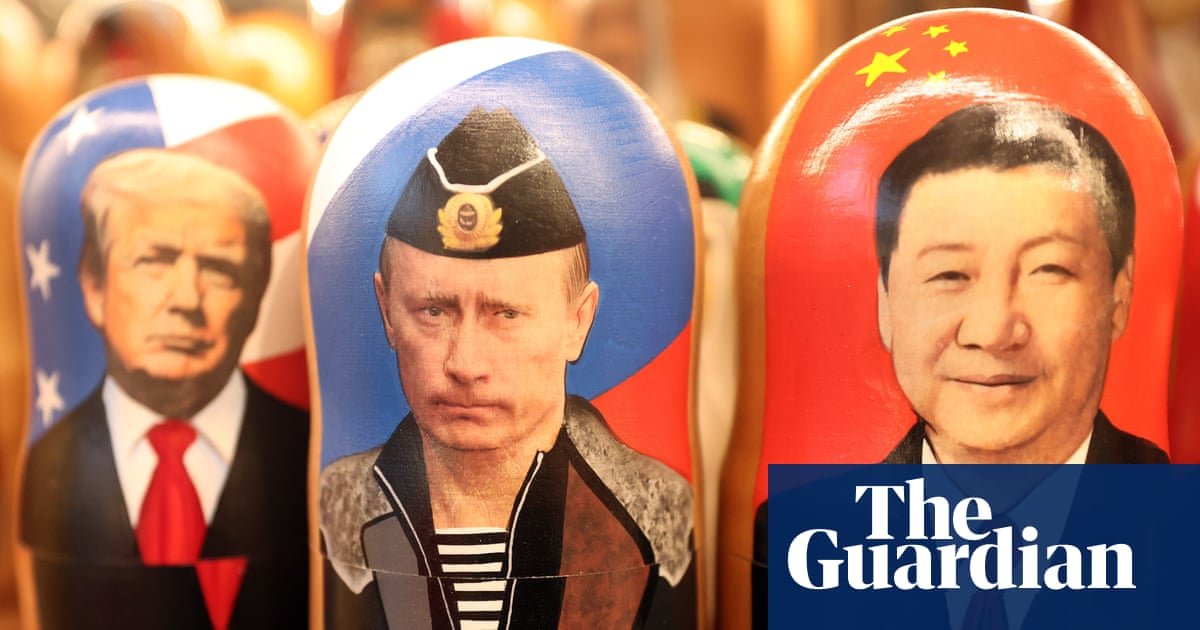
The unprecedented meeting of Xi Jinping, Donald Trump and Vladimir Putin in Shenzhen this week will cover topics of “groundbreaking significance” including “safeguarding world peace”, the Chinese foreign ministry has said.
The confirmation of Thursday’s trilateral talks, on the sidelines of the Asia-Pacific Economic Cooperation (Apec) summit, cements Xi’s status as a global powerbroker as he presides over events in the glittering southern tech hub of Shenzhen.
The topics up for discussion are far from clear but many – including the UN secretary general – are hoping that denuclearisation will be discussed between the world’s three largest nuclear powers.
In a call this week, China’s top diplomat, Wang Yi, and the US secretary of state, Marco Rubio, “agreed on the importance of meaningful leader-level conversations to advance goals such as peace and denuclearisation”, the US state department said.
China was the last of the three powers to confirm the trilateral meeting was happening, and its statement stopped short of confirming specific agenda items.
“[The leaders] will exchange views in-depth on safeguarding world peace and promoting strategic stability in major-power relations, which is of groundbreaking significance,” said the foreign ministry spokesperson, Mao Ning. “Stronger communication among China, Russia, and the United States, along with managing differences and stabilising relations, serves the interests of all three countries.”
The UN secretary general, António Guterres, said on Monday that if the three leaders “really commit themselves to a meaningful denuclearisation, it will be a great achievement for the world”.
However, many analysts have warned to temper expectations of a major breakthrough.
Xi will “bask in the glow of China serving as the convener and agenda-setter”, wrote Brookings’ Ryan Hass in one such take. However, “symbolism may prove more enduring than the substance of this meeting”.
The three leaders will be approaching the talks with very different priorities, Xiaoyu Pu from the University of Nevada told the Guardian.
China has rebuffed previous attempts to become embroiled in nuclear arms talks with Russia and the United States, which have the larger stockpiles. Trump, though, has said he wants to talk about denuclearisation, as well as the US-Israeli war in Iran. China, a top economic partner of Tehran, has sought to mediate in the conflict, and says avoiding a return to hostilities is a “top priority”.
In contrast, as feared by Kyiv, Russia’s invasion of Ukraine might not come up at all, despite Putin reportedly wanting it to.
US officials say Trump is not expected to raise the issue, and the German president Frank-Walter Steinmeier said Xi showed “irritation” in a recent meeting when the idea of the trilateral talks covering Ukraine came up.
For Xi, “much of the political benefit” will be simply in “the ability to bring Putin and Trump to the table”, Peter Alexander, Shanghai-based managing director at Z-Ben Advisors, told CNBC.
The Wall Street Journal reported last week that the Trump administration had pushed back against Beijing’s demands that the summit be tightly scripted, with prepared statements and not much room for discussion.
Sari Arho Havrén, from the Royal United Services Institute thinkk, wrote on X: “China dislikes surprises and wants to ensure neither Trump nor Putin steals the limelight from the host. Moreover, Xi doesn’t want to be dragged into a discussion about Ukraine or anything else he is not prepared for.”